Before and After Hurricane Milton
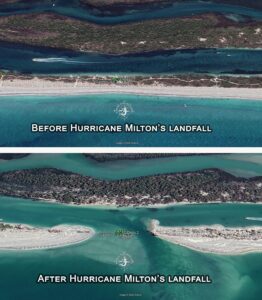
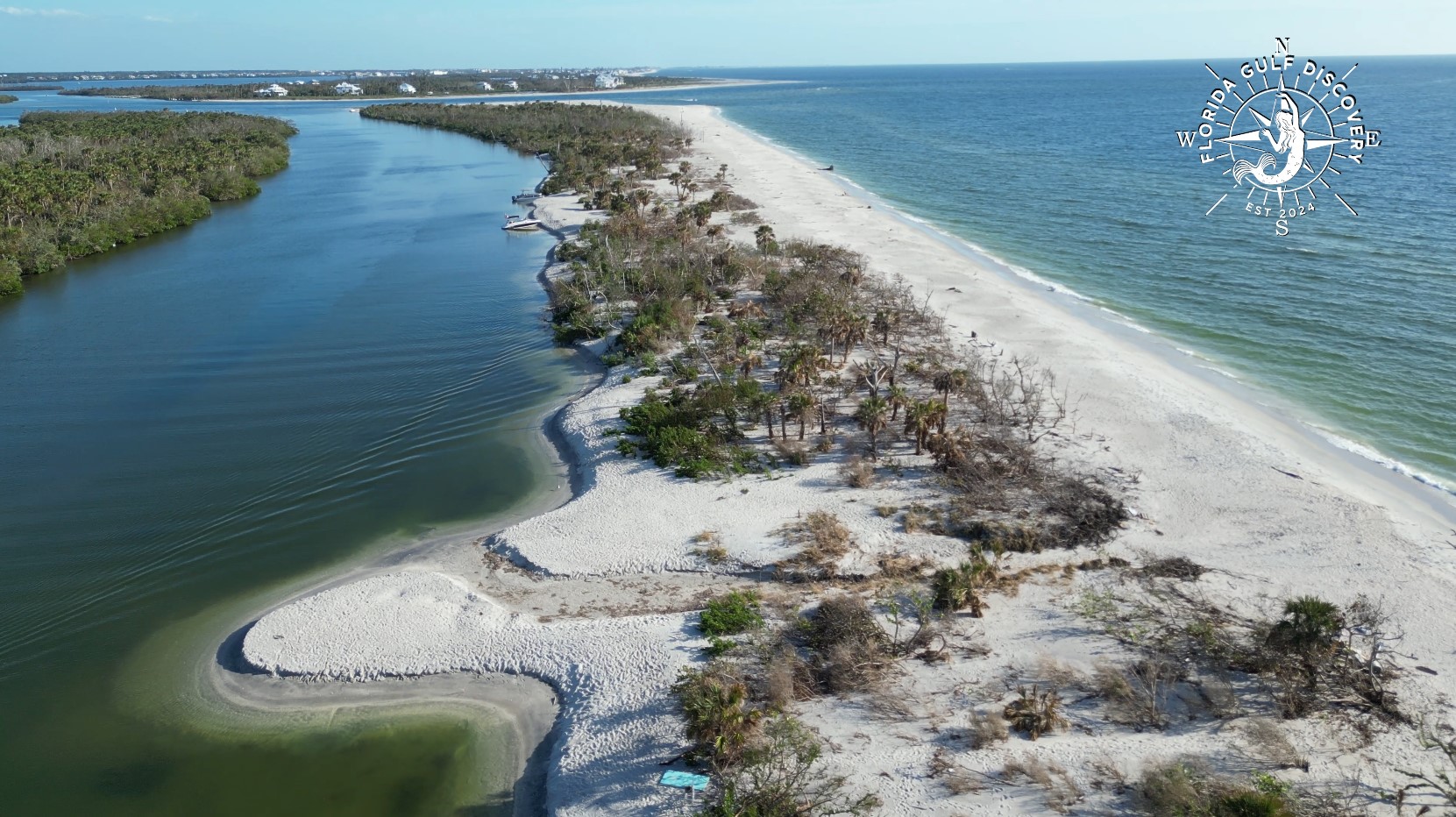
Milton Pass was created by Hurricane Milton on October 9-10, 2024, cutting a channel through the barrier island at the south end of Manasota Key and divided into two parts of Stump Pass Beach State Park.
Looking back at history, where Milton Pass is now, is where Stump Pass was in the late 1800s.
At a meeting of the Charlotte County Commissioners, officials recommended against allowing two passes on the same stretch of Manasota Key.
The new pass crosses Stump Pass Beach State Park, connecting the Gulf of Mexico and Lemon Bay, after Hurricane Milton struck the southwest coast of Florida on October 9-10.
County consultants believe the pass should not remain.
After reviewing the recommendations presented by the county consultants, I must respectfully disagree with their position on the proposed closure of Milton Pass. The consultants’ findings appear to lack sufficient field-based data and do not adequately account for the local hydrodynamic and ecological conditions observed in this area.
Based on my extensive experience operating in these coastal waters, Milton Pass plays a significant role in maintaining natural water circulation and supporting healthy estuarine habitats. Restricting or closing the pass could lead to reduced water exchange, sediment buildup, and potential negative impacts on marine life and water quality.
I strongly recommend that any management decisions be based on comprehensive environmental assessments that incorporate on-site data, long-term tidal studies, and consultation with local professionals who have direct operational knowledge of these waterways.
I have not been able to find the names of the so-called “county consultants” or any educational credentials supporting their recommendations. Closing Milton Pass, in my opinion, would be a serious mistake. It would do little to protect our environment and would not significantly affect the natural tidal flow in our local waterways. Even more concerning, this would be an extremely expensive project, one that could easily be destroyed by the next hurricane, leaving us with wasted resources and lost opportunity.
Our community deserves solutions that are both effective and sustainable—investments that enhance recreational opportunities while preserving the natural beauty and vitality of this incredible place. Rather than pursuing short-term fixes like closing Milton Pass, let’s focus on projects that truly make a lasting difference and respect the resilience of nature.
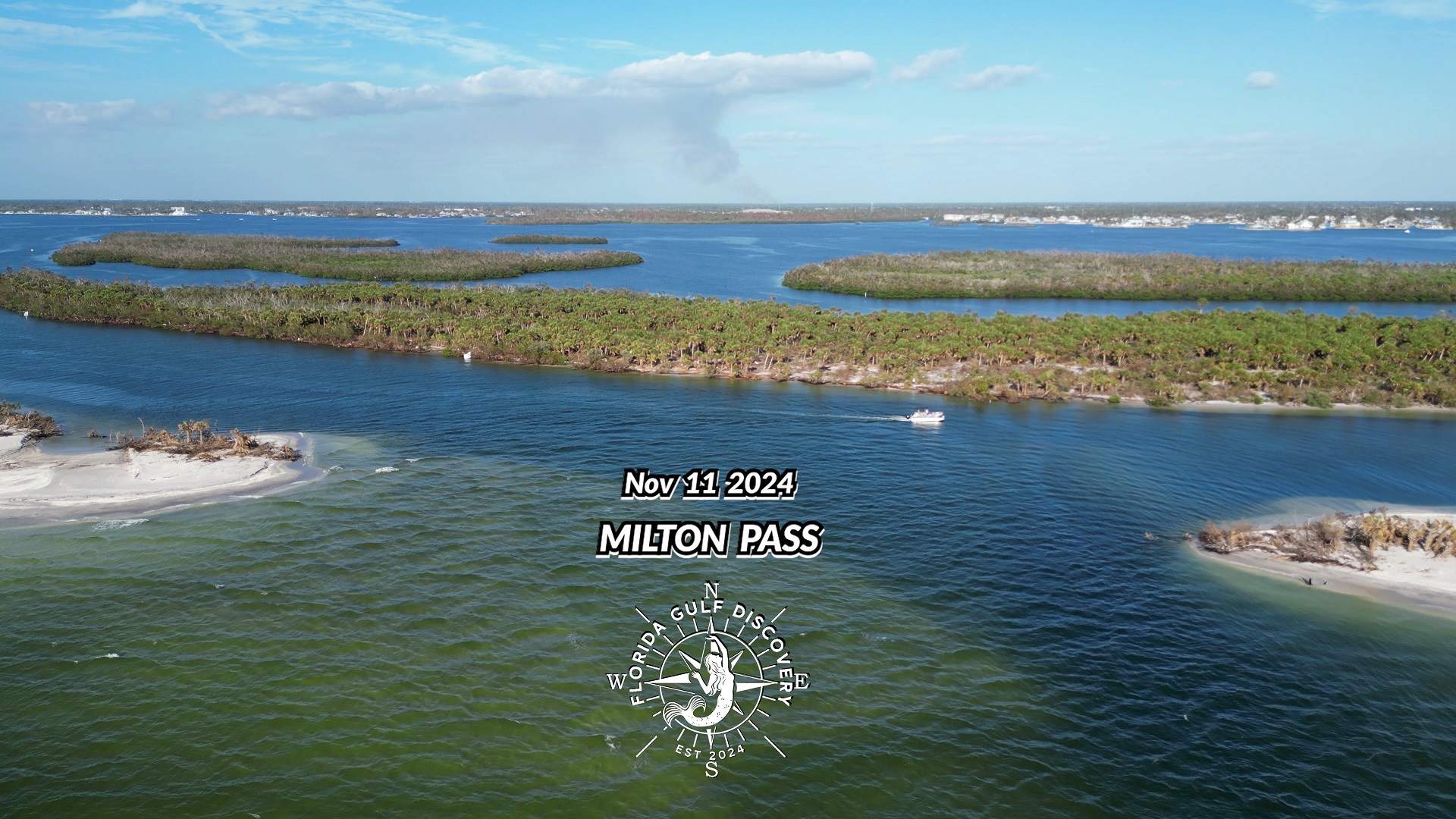
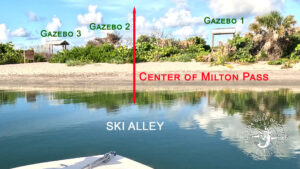
The coastline around Manasota Key, Milton Pass, Stump Pass, and Ski Alley (Petterson Cut) represents one of the most dynamic and ecologically important areas along Florida’s Gulf Coast. For years, I’ve explored Stump Pass Beach State Park, observing how tides, winds, and storms continually reshape this natural landscape.
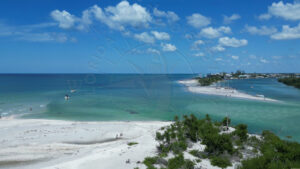
In 2024, Hurricane Milton opened a new waterway now called Milton Pass, between Manasota Key and Knight Island. This newly formed inlet has changed local currents and sediment patterns, influencing both the environment and navigation in the area. It’s a living example of how coastal systems evolve — sometimes overnight — through natural forces.
Stump Pass Beach State Park has long served as a protective buffer for wildlife, including nesting sea turtles, shorebirds, manatees, and a variety of marine species. The park’s beaches, mangroves, and seagrass beds are essential habitats that support the health of the entire Charlotte Harbor estuary.
My goal is to raise awareness about the importance of protecting this fragile ecosystem. Preserving water quality, limiting boat traffic in shallow areas at high speed – like Ski Alley, and supporting coastal restoration projects can help maintain the balance that nature has created here over centuries.
This place — shaped by wind, waves, and time — reminds us that the best environmental protection begins with understanding and respect for the natural processes that sustain it.
Statement from Captain Pavel
As a professional boat captain and long-time observer of our coastal waterways, I respectfully disagree with the conclusions presented by the county consultants regarding the proposed closure of Milton Pass. Based on years of direct experience navigating these local channels, I believe their analysis does not fully reflect the dynamic nature of our coastal ecosystem or the vital role Milton Pass plays in water circulation, fish migration, and local recreation.
Closing Milton Pass would not only disrupt natural tidal flow but could also negatively affect marine life, water quality, and the livelihoods that depend on eco-tourism and sustainable boating. I encourage decision-makers to seek more comprehensive environmental studies and input from those who work on the water every day before making irreversible changes to this area.
See you on the bay — where the dolphins play at Milton Pass!
— Captain Pavel, Florida Gulf Discovery, LLC