My clip on YouTube in 2024 – https://www.youtube.com/watch?v=OeSwCdIhGiw
Introduction: A Silent Island With a Loud Past
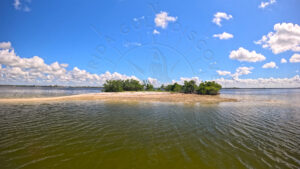
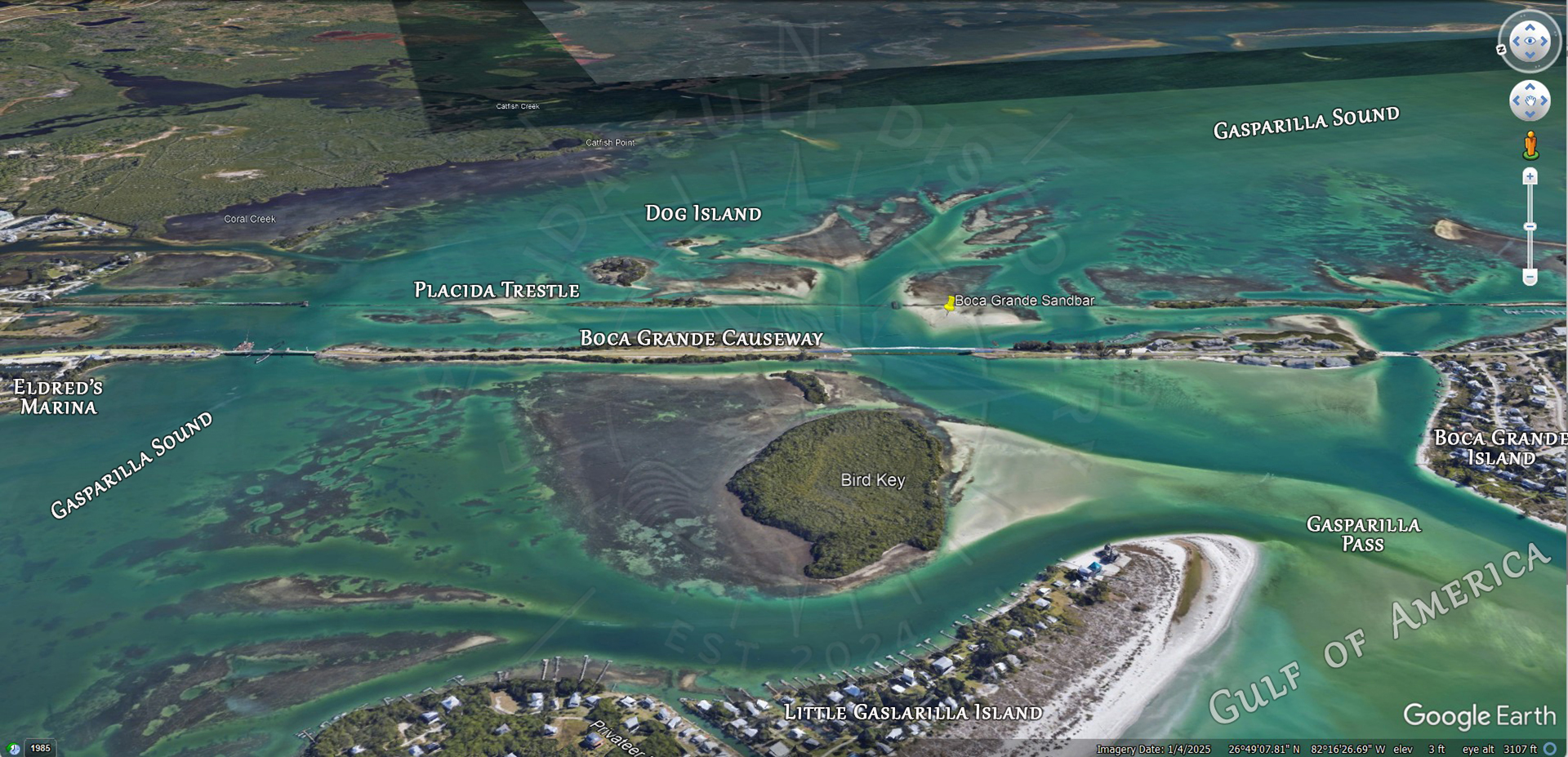
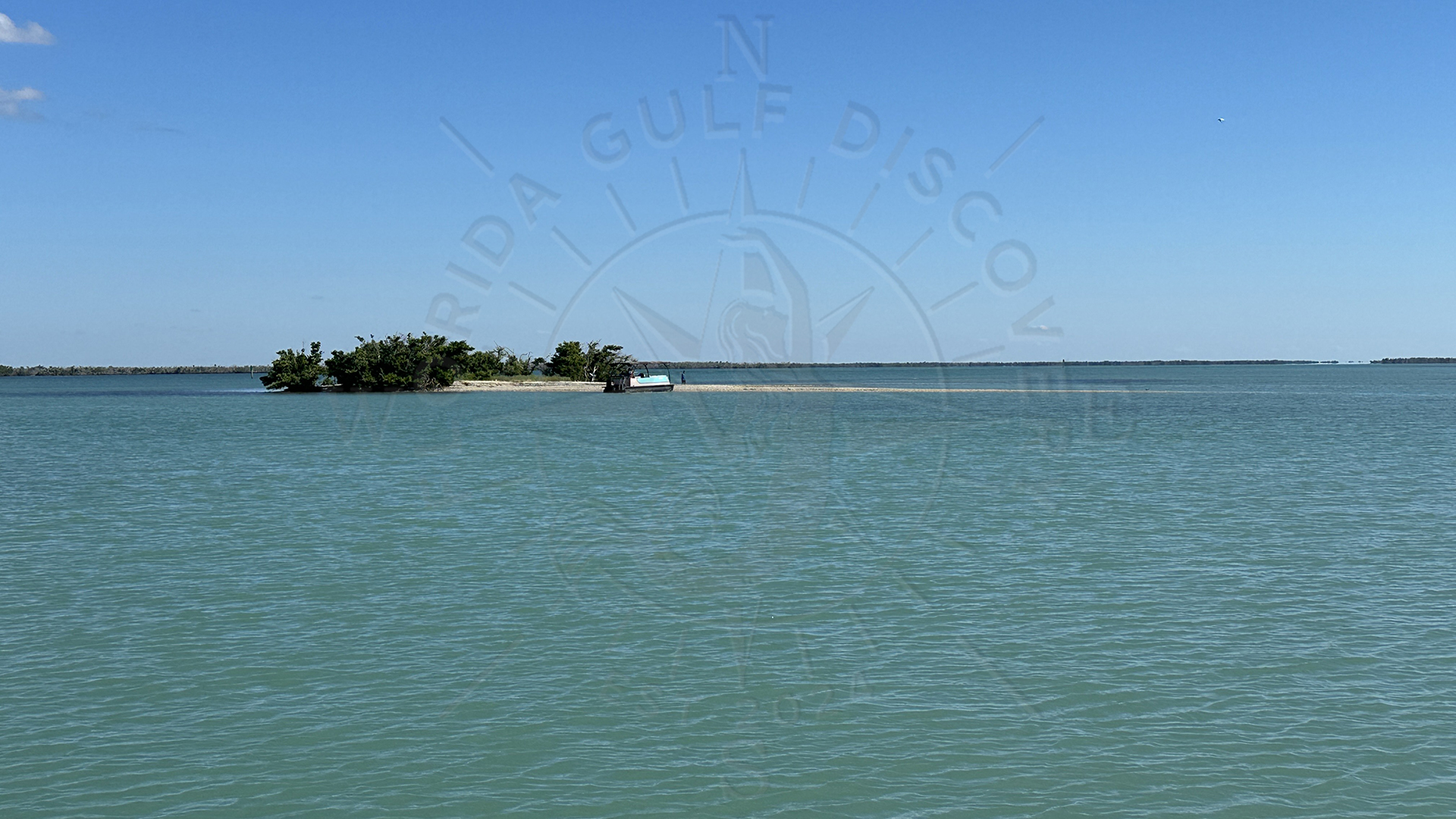
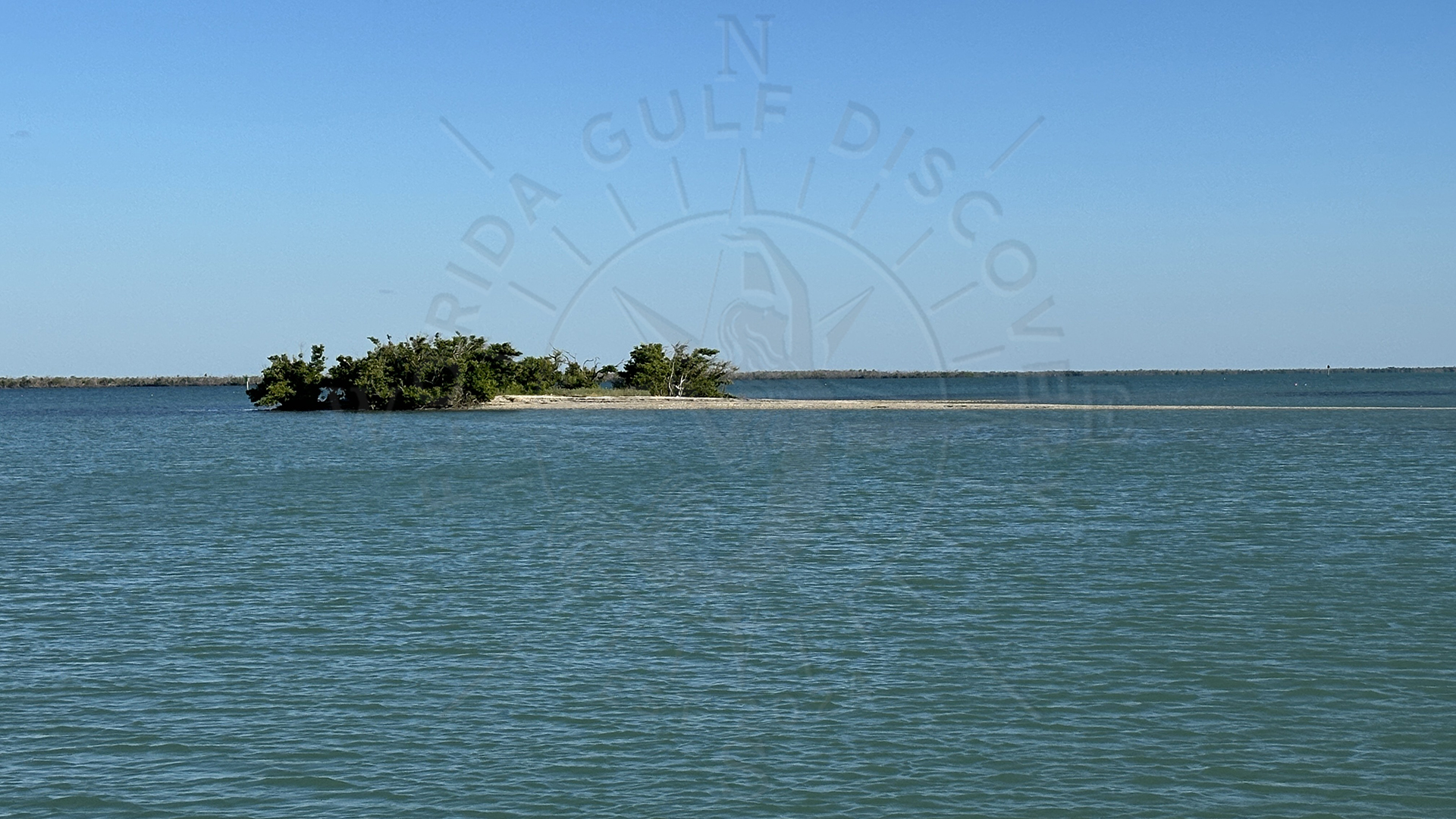
Hidden in the quiet waters of Gasparilla Sound lies a small island made entirely of shells — no soft sand, no crowds, no footprints except your own. Locals call it Dog Island, a place where paddlers find peace, campers find solitude, and storytellers discover something much deeper.
Most visitors see only the shells, the mangroves, and the calm shallow water.
But few know that this tiny island once carried a sound that frightened entire coastal villages — a strange, echoing howl drifting across Gasparilla Sound in the mid-1700s.
Today, we call it legend.
But legend always begins somewhere.
What Is Dog Island (Gasparilla Sound)
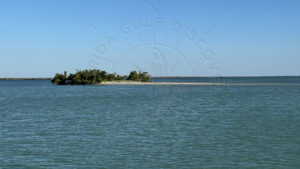
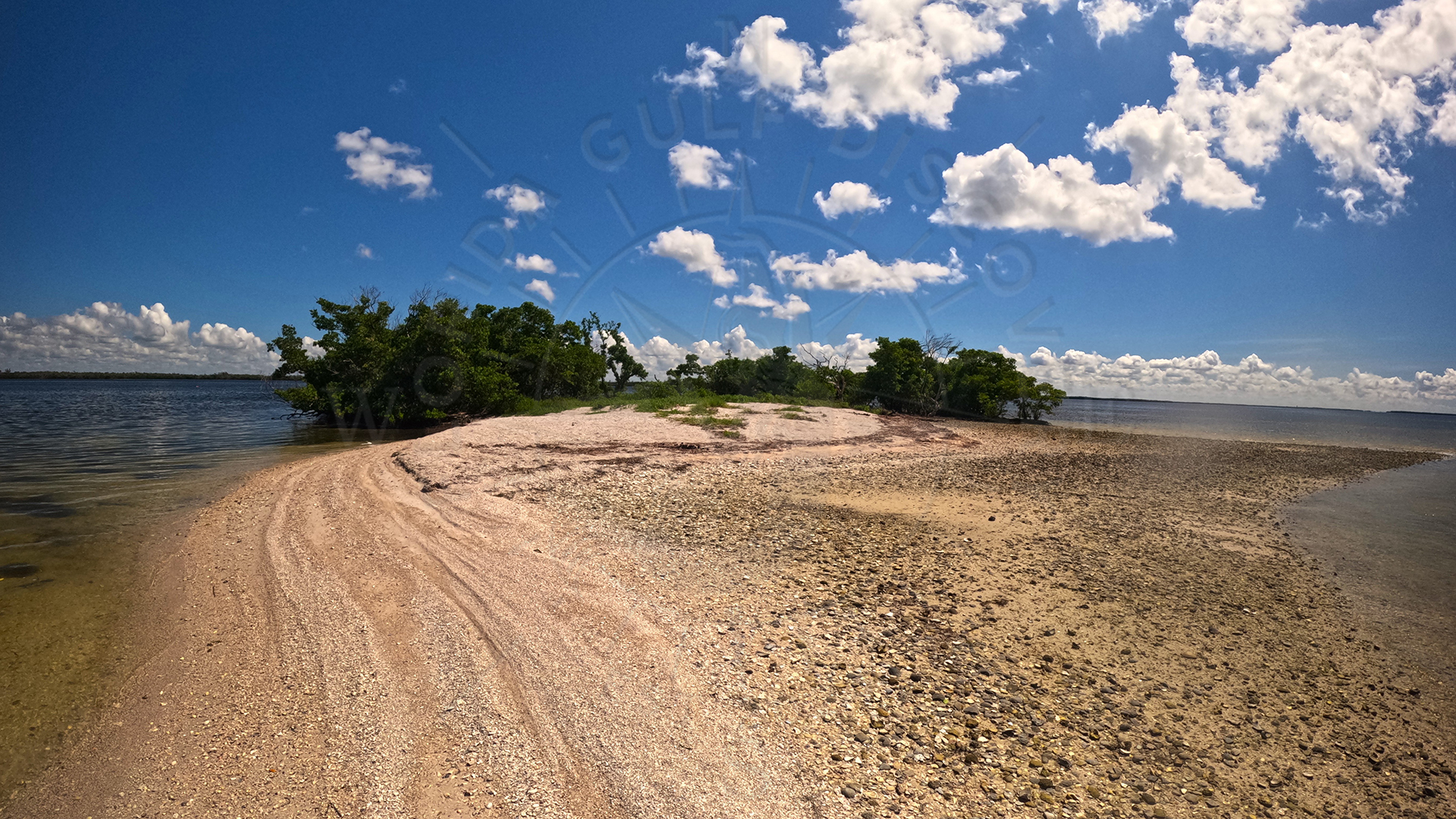
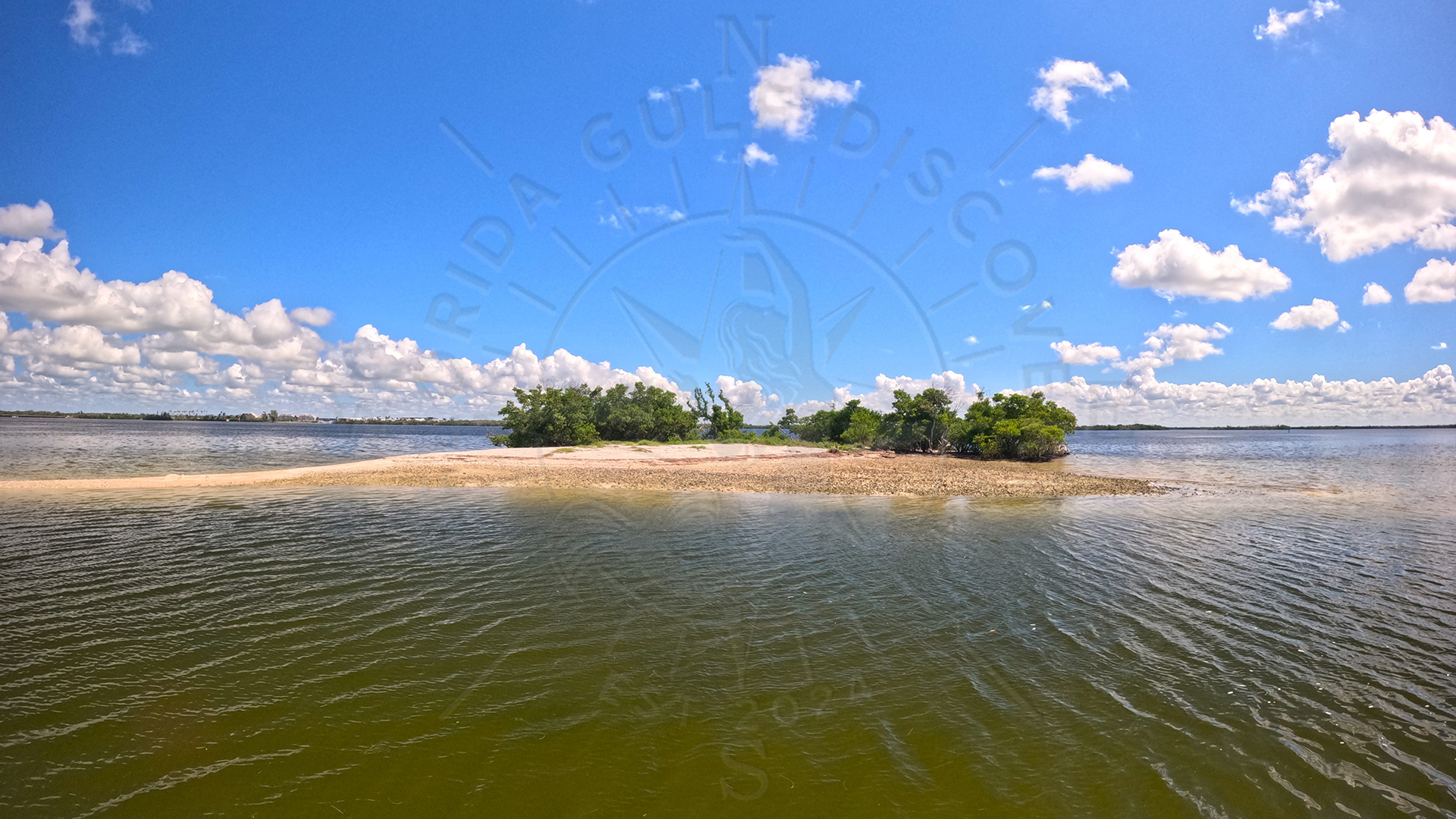
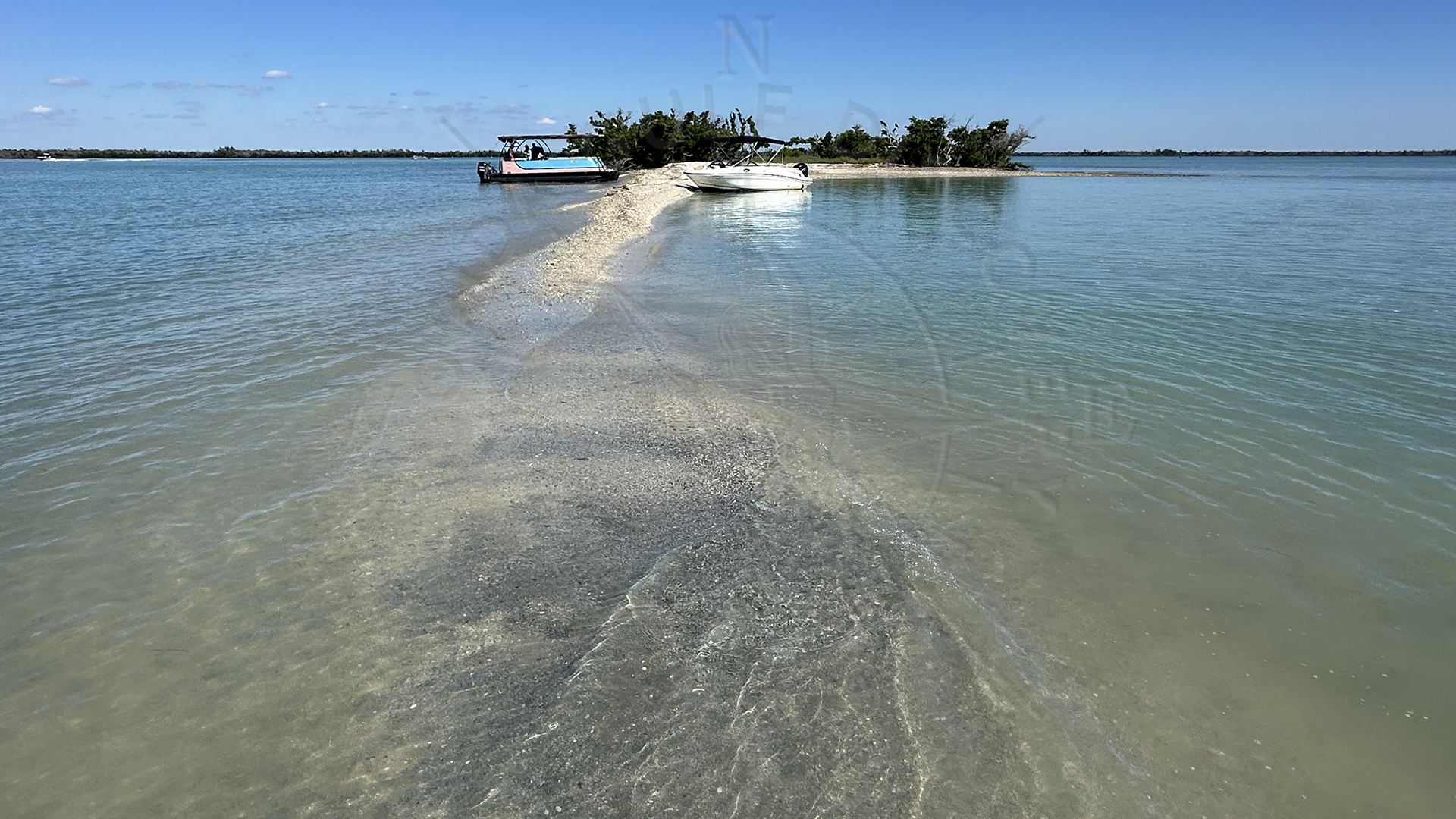
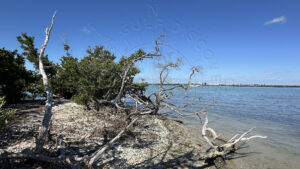
Dog Island is a primitive shell island—a natural pile of ancient crushed shells shaped by tides over centuries.
There is:
-
No sand beach
-
No restrooms or facilities
-
No crowds or development
-
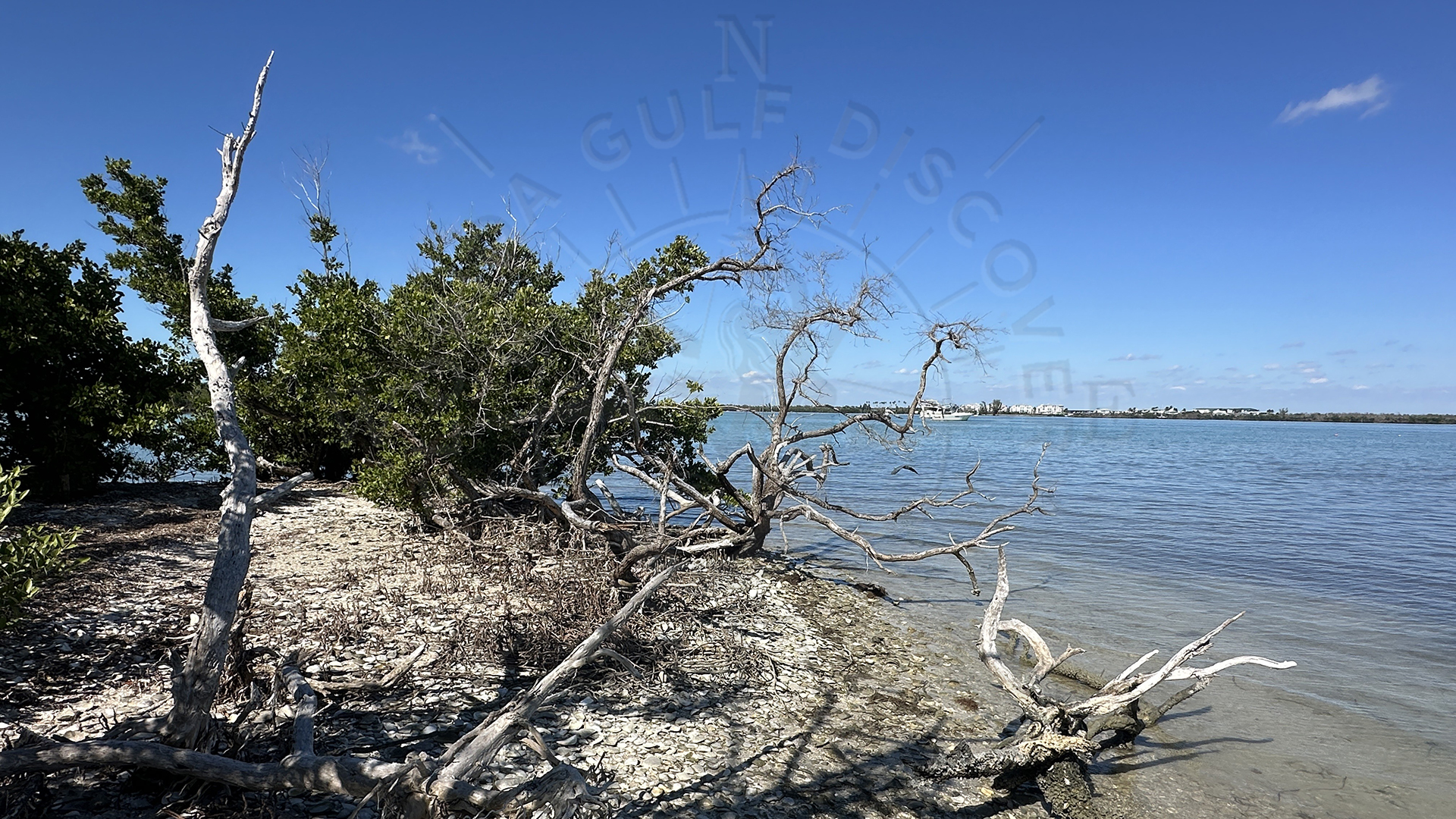
Only shells, mangroves, birds, and wild silence
It sits just south of Gasparilla Island and can be reached by a short paddle from Placida.
How to Get There (A Small Adventure Begins)
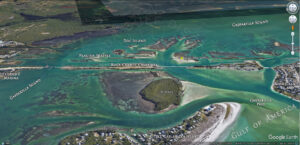
You reach Dog Island by:
-
Launching your kayak or paddleboard at Placida Park Ramp
-
Paddling under the Boca Grande Causeway
-
Turning slightly southeast into the calm waters of Gasparilla Sound
The water is shallow and protected — ideal for explorers who crave quiet.
Approaching it feels like entering a forgotten chapter of Florida, long before bridges or marinas existed.
The Legend of 1757 — Why It’s Called “Dog Island”
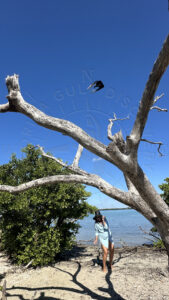
In 1757, three Spanish ships were traveling along the coast when they clashed with local groups near Gasparilla Sound.
The battle was fierce, but one man survived — badly injured, separated from his crew, and left with no choice but to hide on the small shell island.
His name was Pedro Hulio, later recorded in Spanish port journals as “Peter Hulioo”.
For weeks, he remained hidden, surviving on rainwater, shellfish, and whatever washed ashore.
But Pedro was clever.
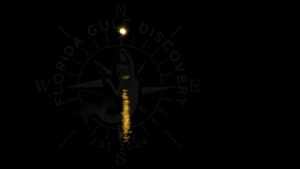
To signal the rescue ships that might return for him, he began sending strange sounds at night — created with pieces of driftwood, broken metal, and his own voice echoed through a handmade conch horn.
He also built small fires behind mangroves, hoping the flicker would be seen offshore.
To the nearby coastal tribes, these nighttime sounds were terrifying.
Deep howls, echoes, metallic knocks, flickering ghost-like lights…
They believed a supernatural dog-spirit guarded the island.
They avoided it, warning travelers:
“The island of the dog speaks at night.”
The name stayed.
Even after Pedro Hulio was rescued and eventually returned to Spain — where a short story about his survival appeared in a small coastal newspaper — the nickname continued to echo through time.
Thus, the little shell island became Dog Island.
What You’ll Find Today
Dog Island today is nothing like the frightening place of its legend — but the quiet is still powerful.
You’ll see:
-
Shell ridges instead of beaches
-
Small fire rings left by previous campers (use with caution)
-
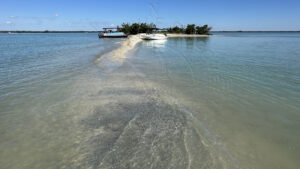
Shallow water perfect for wading and exploring
-
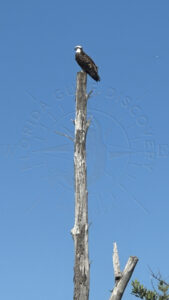
Ospreys, pelicans, herons, and rays
-
A feeling that you are standing in a place untouched by centuries
At night, when the wind is low, the island still whispers.
The shells shift.
The mangroves creak.
And you can almost imagine a lonely sailor tapping signals into the dark.
Primitive Camping (Important Notes)
Camping is free, but completely primitive.
There are:
-
No bathrooms
-
No fresh water
-
No trash bins
-
No sand — only shells
You must bring everything, and most importantly:
Practice “Leave No Trace”
Pack out every piece of trash and leave the island cleaner than you found it.
Best Activities on Dog Island
-
Kayak & SUP paddling
-
Primitive camping
-
Photography
-
Bird watching
-
Exploring the shell ridges
-
Enjoying total silence and isolation
It’s not a place for tourism — it’s a place for reflection.
Tides and Safety
Because the Sound is very shallow:
-
Low tide may expose mud and shell flats
-
High wind (especially NE winds) can make paddling challenging
-
Bring plenty of water and wear protective footwear
-
Always tell someone your float plan
FAQ
Does Dog Island have a beach?
No. It has a shell shoreline, not a sand beach.
Can you camp on Dog Island?
Yes — it is free and primitive. Bring everything you need.
Why is it named Dog Island?
Local lore says strange howls and lights were seen here in 1757 from a hidden Spanish survivor, leading locals to believe a dog-spirit lived on the island.
Is Dog Island hard to reach?
No. It’s a calm paddle from Placida Park, ideal for beginners.
Conclusion: A Quiet Place With a Loud History
Dog Island may be small, but the silence holds a story that has drifted across nearly three centuries.
Shells instead of sand, mangroves instead of buildings, and the echo of something ancient that once called to the night.
If you travel there, take a moment to listen.
You might hear the island breathe…
or maybe — just maybe — the last whisper of Pedro Hulio’s signal calling home.
Written by Captain Pavel Florida Gulf Discovery – Private Boat Tours, Wildlife Watching & Coastal Adventures & Discovery www.FloridaGulfDiscovery.com