November is an excellent time for deep-sea fishing in Southwest Florida. In this blog, I share my personal experiences with meditative fishing, but rather a quiet, immersive connection with the sea.
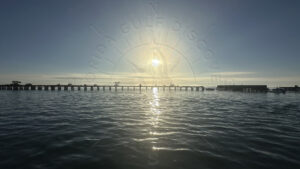
Florida Gulf Discovery LLC do not offering any fishing trips.
Florida Gulf Discovery LLC offers tours and trips for leisure, as well as trips for special events, such as birthdays. For more information, visit FloridaGulfDiscovery.com.
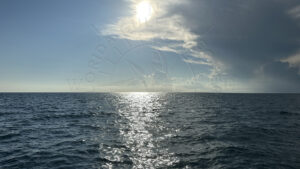
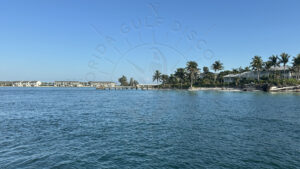
With my wife and me on an unforgettable deep-sea adventure that begins at Gasparilla Pass, nestled between Boca Grande and Little Gasparilla Island. From there, we head southwest through the shimmering waters Gulf of America, traveling roughly 40-45 miles offshore to reach the deep-sea section of Grouper Reef.
Along the way, marvel at the iconic Boca Grande Lighthouse, the untouched beauty of Cayo Costa State Park, and the playful pods of dolphins and sea turtles (May-October) that often accompany our boat into the open sea.
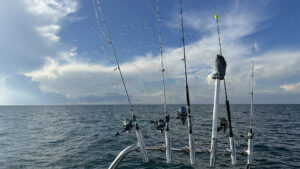
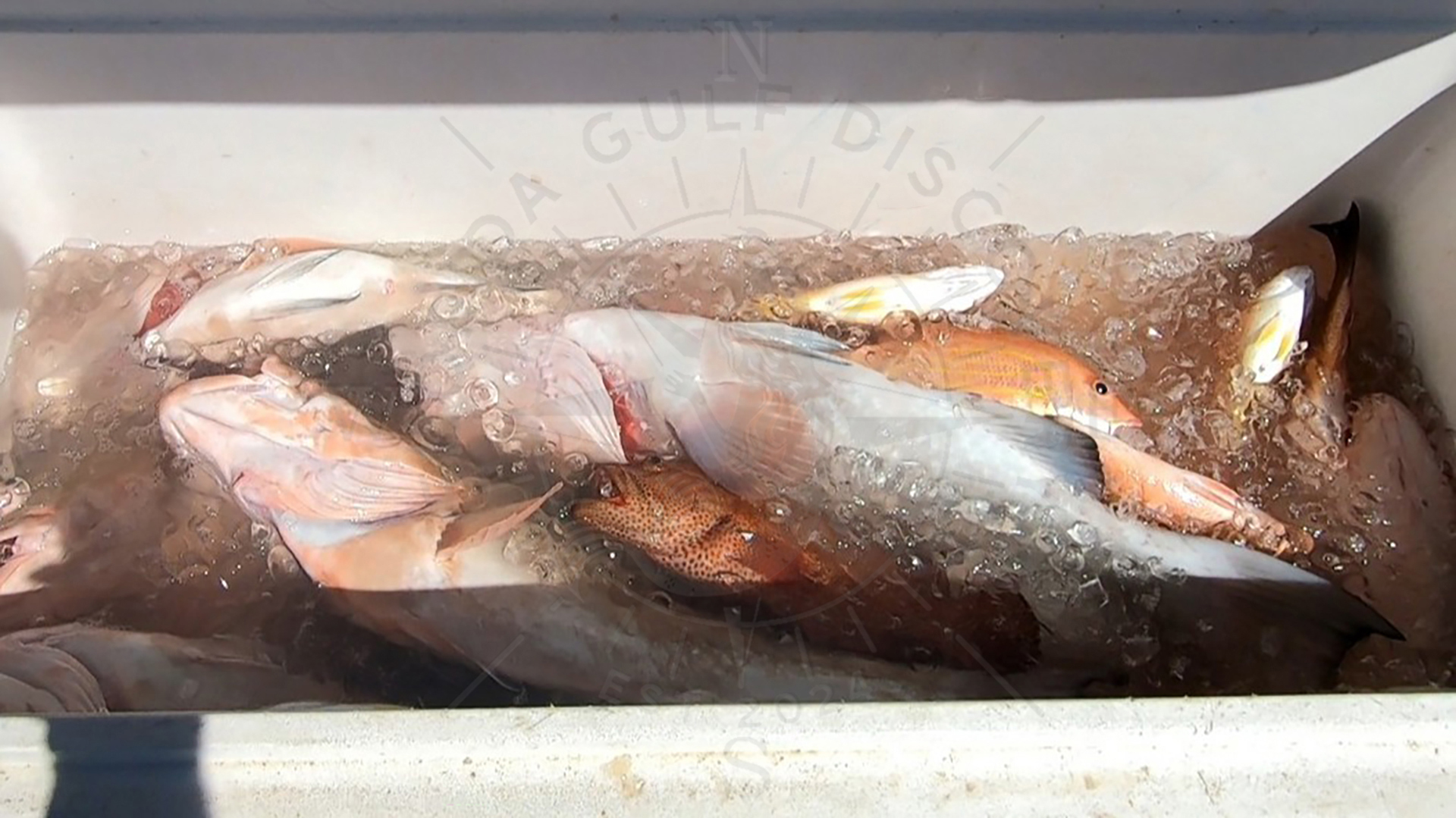
Upon arrival at the offshore reefs, we drop anchor over natural ledges and man-made reef structures, prime territory for red grouper, gag grouper, snapper, amberjack, and cobia. With depths ranging from 90 to 120 feet, these waters provide the perfect environment for catching trophy-sized bottom fish.
To find precise spot, base on home work, I am watching what show me my fish finder. After I satisfied with spot I am lock my spot deploy trolling motor.
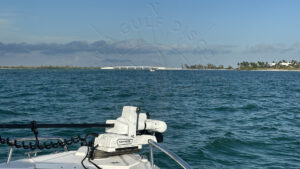
After a fulfilling day of fishing and exploration, the return trip to Gasparilla Pass offers the perfect chance to relax, feel the Gulf breeze, and sometimes admire a stunning sunset over the bay before heading back to the islands.
Fishing responsibly is essential. Familiarity with federal offshore fishing regulations is crucial. If you’re uncertain about your catch, it’s safest to release it. You can also use online image searches to identify your catch and verify its status through the FishRules FL Gulf State Waters app or at fishrulesapp.com.
Personally, I always check the Gulf weather and review fishing regulations before heading out.
Written by Captain Pavel Florida Gulf Discovery – Private Boat Tours, Wildlife Watching & Coastal Adventures & Discovery www.FloridaGulfDiscovery.com