Guide Contents
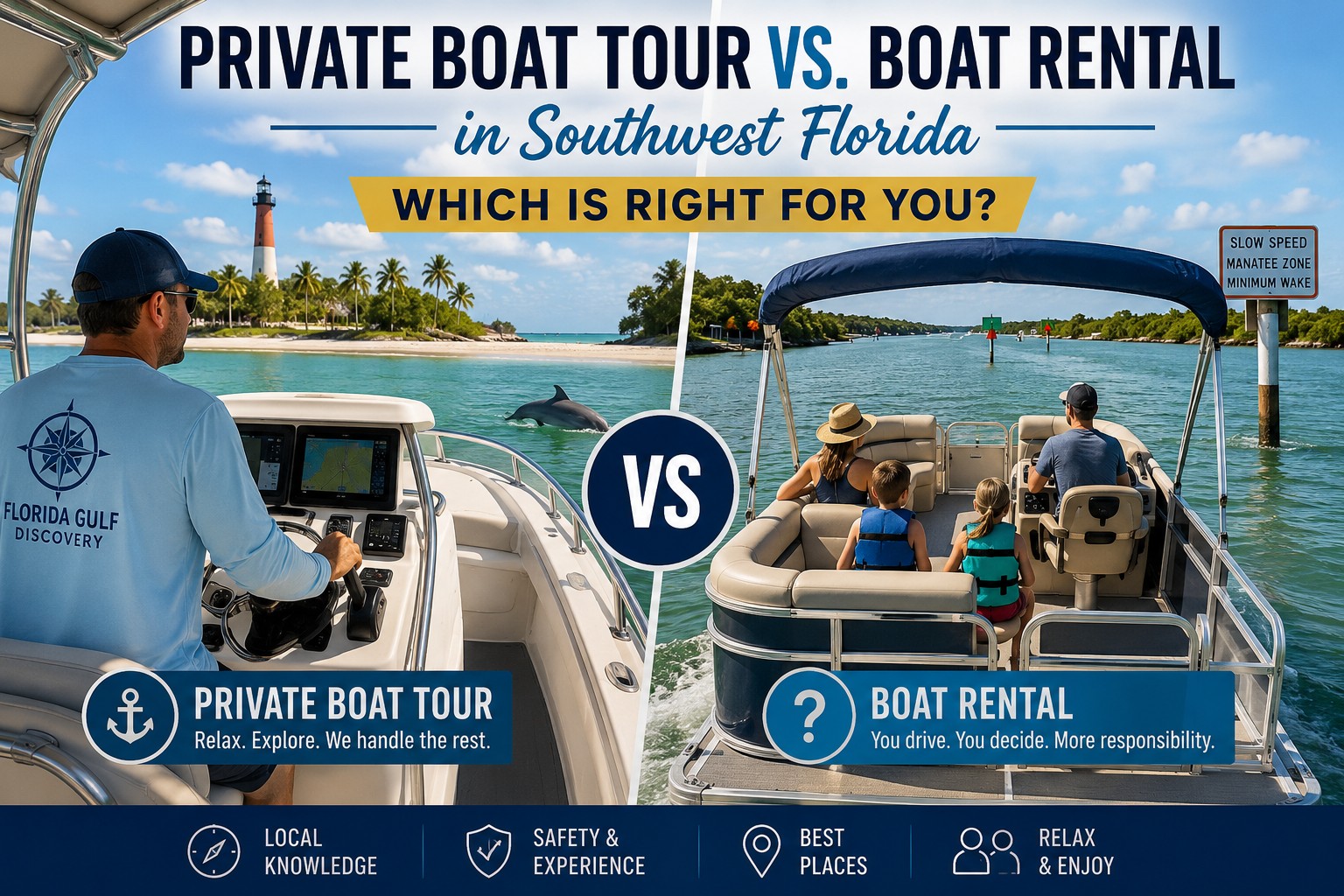
Private Boat Tour vs. Boat Rental in Southwest Florida: Which Is Right for You?
Private Boat Tour vs. Boat Rental: The Quick Answer
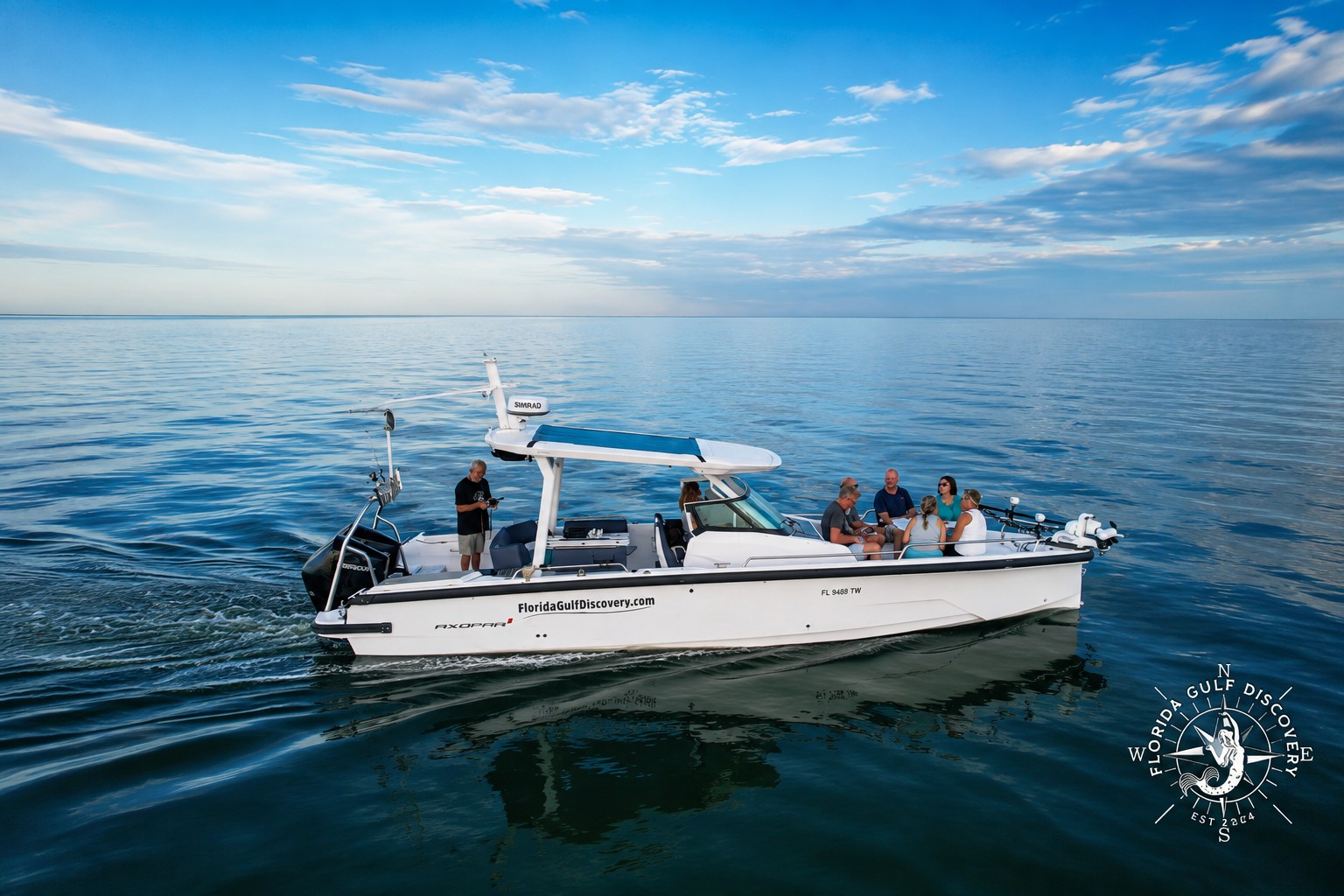
A private boat trip to Cabbage Key offers a chance to experience one of the classic Old Florida destinations hidden among the islands of Pine Island Sound.
If you're planning a day on the water in Southwest Florida, one of the first decisions is whether to rent a boat and operate it yourself or choose a private boat tour with a captain.
Both can be excellent choices.
For an experienced boater comfortable with an unfamiliar boat, local navigation, tides, anchoring, docking, wind and current, a boat rental offers freedom to explore independently.
For visitors who don't know the local waterways—or simply don't want the responsibility of operating the boat—a private captain-led tour allows everyone to relax and enjoy the experience.
Quick Comparison
| Comparison | Private Boat Tour | Boat Rental |
|---|---|---|
| Boat operation | Captain | You |
| Navigation | Captain plans and navigates | You research and navigate |
| Tides & water depth | Captain evaluates conditions | Your responsibility |
| Anchoring & docking | Captain handles it | You handle it |
| Unfamiliar boat | Captain operates it | You learn how it handles |
| Local destinations | Local knowledge included | You plan where to go |
| Responsibility | Captain | Rental operator |
| Best for | Relaxing and exploring | Experienced independent boaters |
The Biggest Difference Is Responsibility
When you rent a boat, you're not simply renting transportation. You become the boat operator.
You are responsible for navigation, boat handling, changing conditions, other boat traffic and everyone aboard.
With a private tour, the captain handles those responsibilities while guests concentrate on exploring islands and sandbars, watching wildlife, spending time with family and enjoying Southwest Florida.
I've seen rental boaters encounter problems with navigation, tides, anchoring, shallow water and unfamiliar boat handling, and I have sometimes stopped to offer advice or help.
But I don't tell these stories because I never made mistakes myself. Quite the opposite.
When I was learning, I encountered many of these same problems.
This guide isn't about saying one choice is always better. It's about understanding the responsibilities that come with each option so you can decide which is right for your day on the water in Southwest Florida.
What Is a Private Boat Tour?
Explore Our Private Boat Tours: Discover Southwest Florida from the water with Captain Pavel and Florida Gulf Discovery. Explore barrier islands, secluded beaches, sandbars, Gulf passes, wildlife areas and waterfront destinations on a private boat tour designed around your interests.
A private boat tour is a captain-led trip where the boat is reserved for your group rather than shared with unrelated passengers. The captain operates the vessel, handles navigation, evaluates changing conditions, and makes decisions about the route throughout the trip.
For guests, the biggest difference is simple: you don't have to operate the boat.
Instead of concentrating on operating and navigating the boat, you can spend your time enjoying the reason you came to Southwest Florida.
That might mean watching dolphins and coastal wildlife, visiting a sandbar, exploring a barrier island, stopping at a beach, having lunch at a waterfront restaurant, taking photographs, or simply enjoying time with family and friends on the water.
More Than Someone Driving the Boat
A private captain's job isn't simply to steer.
Local knowledge becomes particularly valuable in Southwest Florida, where tides, wind, currents, shallow areas, boat traffic, and changing conditions can influence where and how you travel.
Sometimes the original plan needs to change.
A destination that makes sense under one set of conditions may not be the best choice later in the day. An experienced captain can evaluate what is happening on the water and adjust the route when necessary.
This is something I've learned repeatedly during my own time boating in Southwest Florida:
The best route isn't always the same route you used yesterday—or even earlier that same day.
Your Group Can Enjoy the Day Together
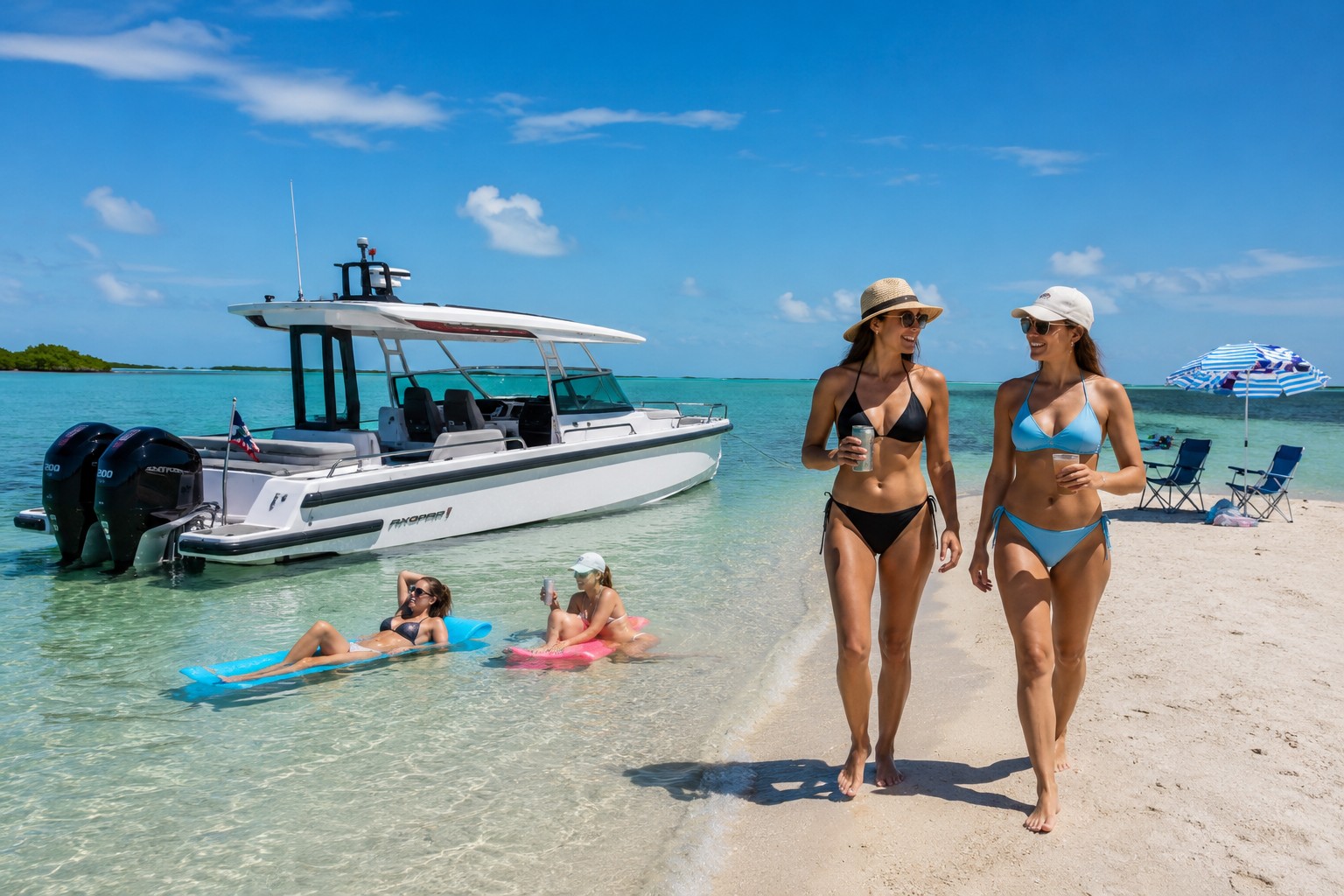
A private corporate boat charter offers a different way to bring colleagues, clients, or business partners together on the waters of Southwest Florida. Instead of a traditional meeting room, guests can enjoy a relaxed day on the water, visit a local sandbar, explore coastal scenery, and spend time together away from the usual work environment. A private charter can be customized around the group, combining boating, sightseeing, swimming, wildlife encounters, and time to simply relax. With Florida Gulf Discovery, the boat and itinerary are dedicated to your group, creating a memorable Southwest Florida experience for company outings, client entertainment, team gatherings, or special business occasions.
For me, this is one of the biggest advantages of a private tour.
Nobody in the group has to become the designated boat operator while everyone else enjoys the trip.
Parents can spend time with their children. Friends can talk, take photographs and enjoy the scenery. Everyone can watch for dolphins or simply relax while the captain concentrates on operating the boat.
A private boat tour doesn't offer the same independence as renting a boat and going completely on your own.
But for visitors who want to experience Southwest Florida without also having to operate an unfamiliar boat in unfamiliar waters , that can be exactly the point.
What Is a Boat Rental?
A boat rental allows you to operate a boat yourself for an agreed period of time. Depending on the rental company, that may be a few hours, a half day, a full day, or longer.
For an experienced boater, renting can be an excellent option because it provides something many people value: independence.
You decide where to go, when to stop, how long to stay, and when to change your plans. Instead of following a captain-led itinerary, you're in control of your own day on the water.
Freedom Comes With Responsibility
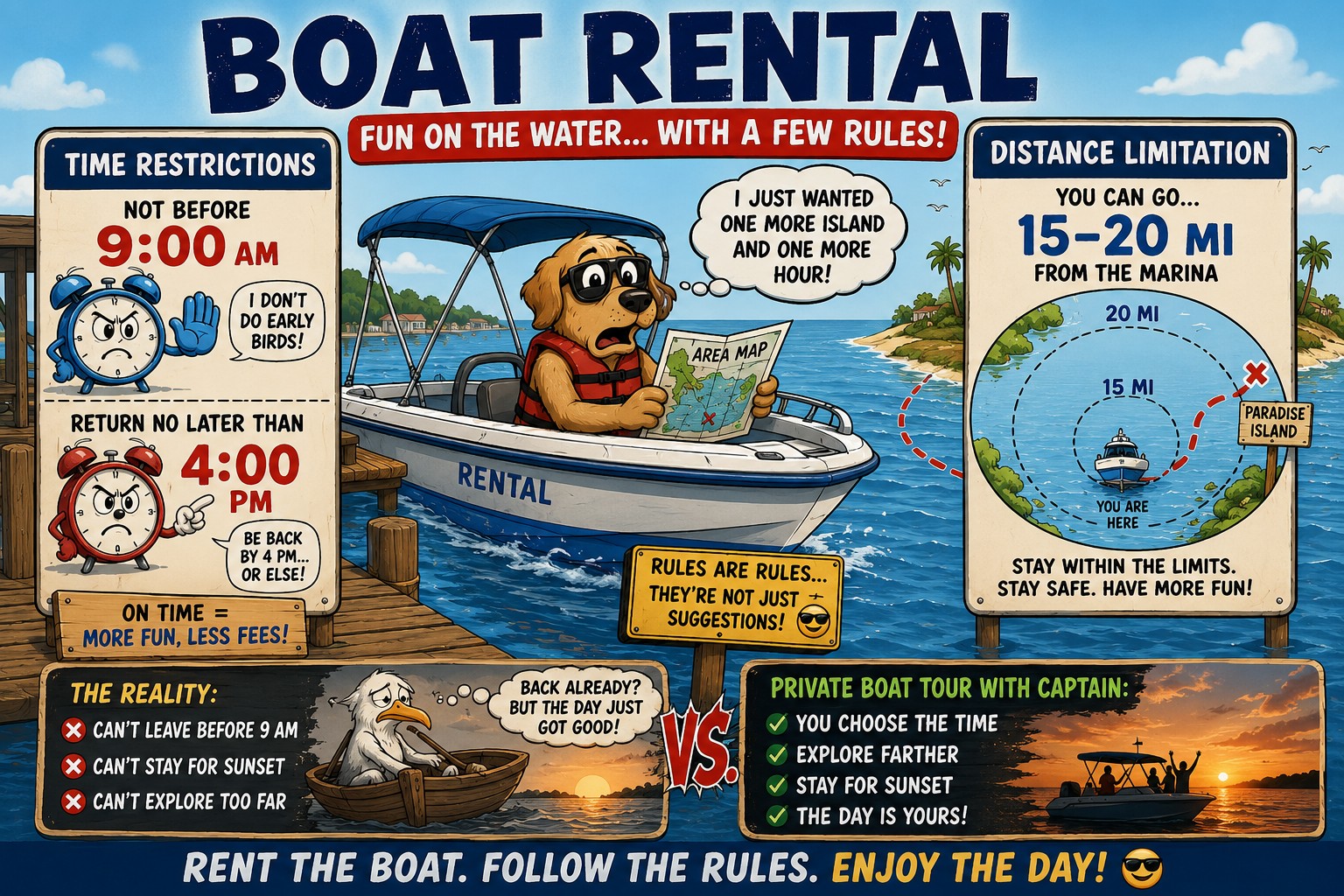
A boat rental can give experienced boaters the freedom to explore independently, but rentals may also come with operating-hour and cruising-area restrictions. Depending on the rental company, the boat may not be available until the morning, may have to be returned by a specific afternoon time, and may be limited to a defined cruising area or distance from the rental location. That can become important when planning a longer day, waterfront dinner, or sunset on the water.
That independence also means someone in your group becomes the boat operator.
Once you leave the dock, the responsibility for operating the vessel and making boating decisions belongs to you.
Knowing how to operate a boat is important, but so is being comfortable doing it in an unfamiliar boat and unfamiliar waters.
That's where the difference between having boating experience and simply having access to a boat becomes important.
I don't discourage experienced boaters from renting. For someone who is comfortable taking the helm and wants complete independence, it can be a great way to explore Southwest Florida.
For others, the responsibility of operating the boat can become part of the work they were hoping to leave behind on vacation.
In the next sections, we'll look at what that responsibility actually involves—starting with something that is easy to underestimate:
Every boat handles differently.
Every Boat Handles Differently
One of the first things I notice when watching rental boats is that even someone with boating experience may need time to become comfortable with an unfamiliar boat.
Boats don't all accelerate, turn, stop, reverse, or respond to wind and current in exactly the same way.
A pontoon boat can behave very differently from a center-console or other motorboat. The boat's size, weight, hull design, engine configuration, and wind exposure all influence how it responds.
If you don't have much boating experience, learning those differences while also dealing with navigation, passengers, traffic, shallow water, wind, and current can add another challenge to the day.
Leaving the Dock Is Only the Beginning
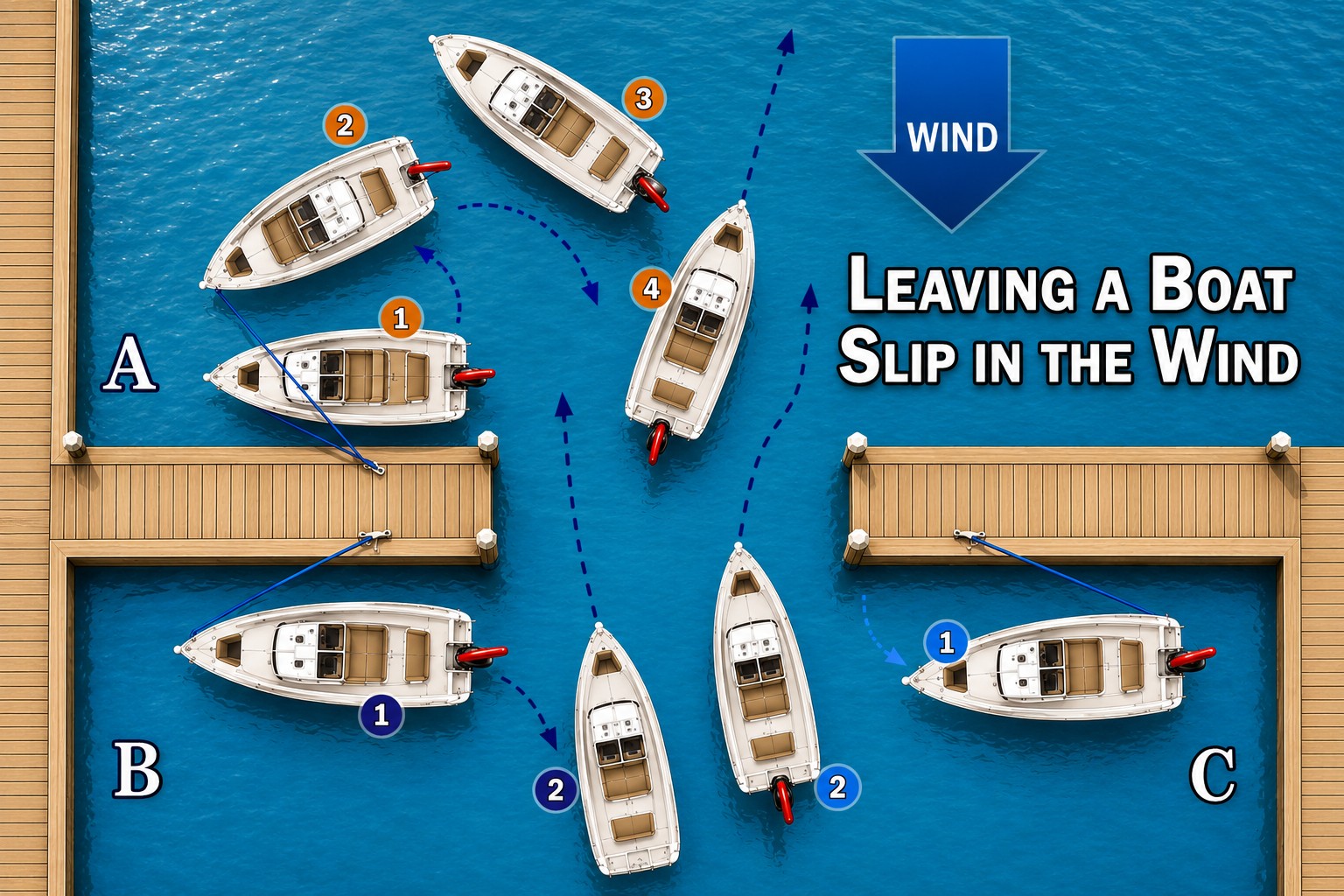
Leaving a boat slip in the wind requires understanding how the wind will affect the boat before releasing the lines. Wind can quickly move the bow or stern and change the boat's position relative to the dock, pilings, and nearby vessels. Before leaving the slip, I consider the wind direction, available space, dock lines, and the boat's expected movement, then use the appropriate line and controlled power to position the boat for a safe departure. Good boat handling is not about fighting the wind—it is about understanding its effect and using it as part of the maneuver.
Docking is one place where differences between boats become obvious very quickly.
Wind and current can move a boat sideways while you're trying to approach the dock. The response you expect from the throttle, steering, or reverse may also feel different from a boat you've operated before.
In my experience, handling wind requires patience and planning. When conditions allow, I prefer to make my approach so I'm working against the wind or current rather than letting it push the boat toward the dock.
The important point is to understand what is moving the boat before making the approach.
Experience Gives You Time to Think Ahead
The more familiar you are with a boat, the less attention you need to spend figuring out how it responds.
That leaves more attention for what is happening around you.
Where is the next channel marker? Is another boat approaching? What is the wind doing? Is the water becoming shallower? Is someone aboard about to stand up or move?
This is why I don't think the question is simply: “Do you know how to drive a boat?”
A better question is:
“How comfortable are you operating this particular boat in these particular conditions?”
For an experienced operator, adapting to a rental boat may happen quickly.
For someone with limited experience, the unfamiliar boat itself can become one more thing demanding attention when there are already many other things happening on the water.
Navigation in Southwest Florida: Charts, Markers and GPS
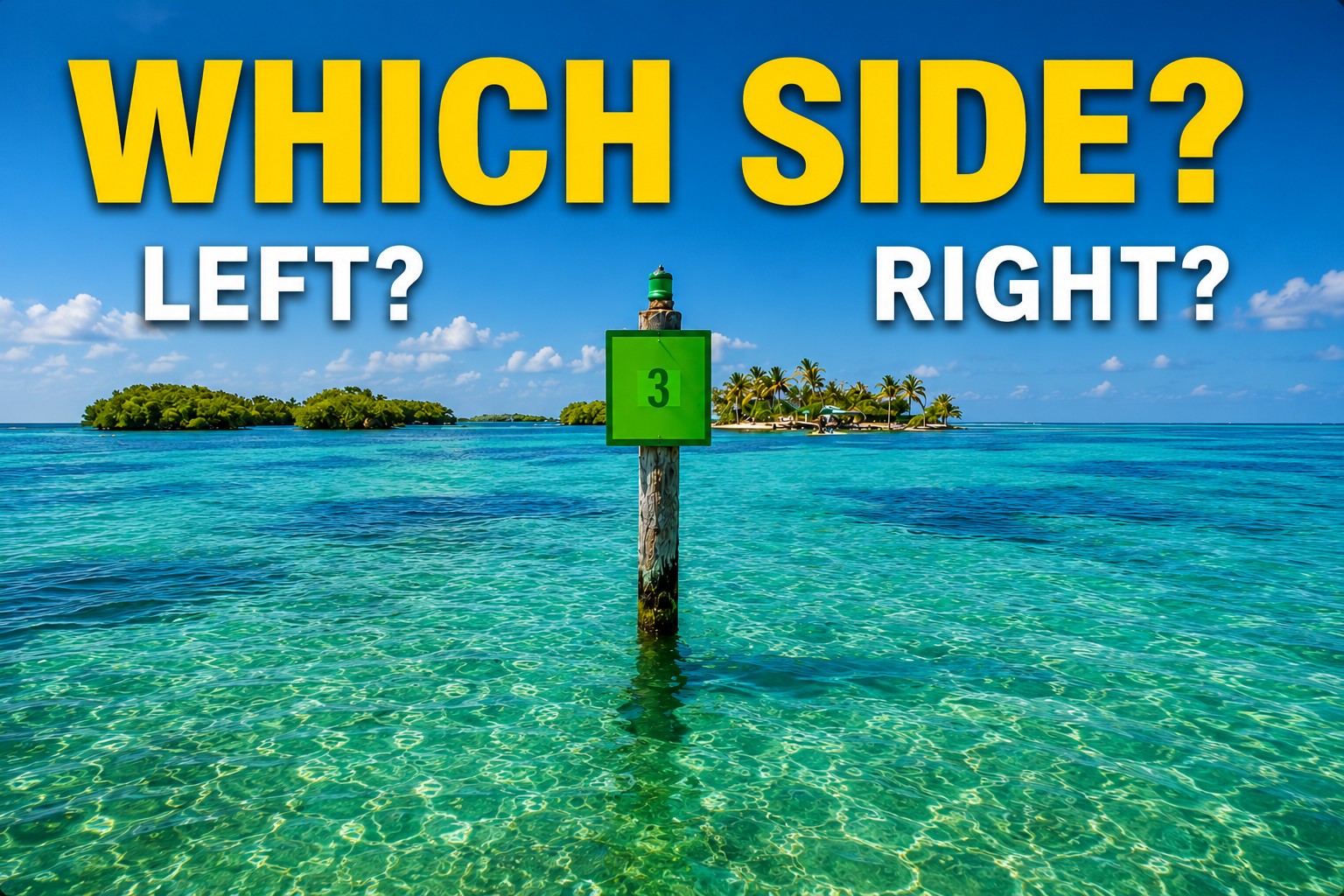
Safe boating in Southwest Florida requires more than simply following a line on a chart. Understanding navigation markers, channel direction, water depth, tides, wind, and current is essential, especially when traveling through unfamiliar coastal waters.
One of the biggest challenges for someone renting a boat in Southwest Florida isn't operating the throttle or steering wheel.
It's knowing where the boat can safely go.
Southwest Florida has marked channels, shallow flats, sandbars, passes, islands, and waterways where deeper and shallower water can be surprisingly close together.
If you're unfamiliar with the area, knowing how to read a nautical chart and understand navigational markers is important.
A Wrong Course Can Cost You More Than a Few Minutes
I've seen boaters choose the wrong course and end up in shallow water.
Once a boat runs aground, the problem isn't simply that you've stopped.
Now you have to determine how to get back into deeper water without making the situation worse. After that, you still have to figure out the correct course and continue your trip.
What looked like a small navigation mistake can consume a considerable amount of time and effort.
Channel Markers Have a Purpose
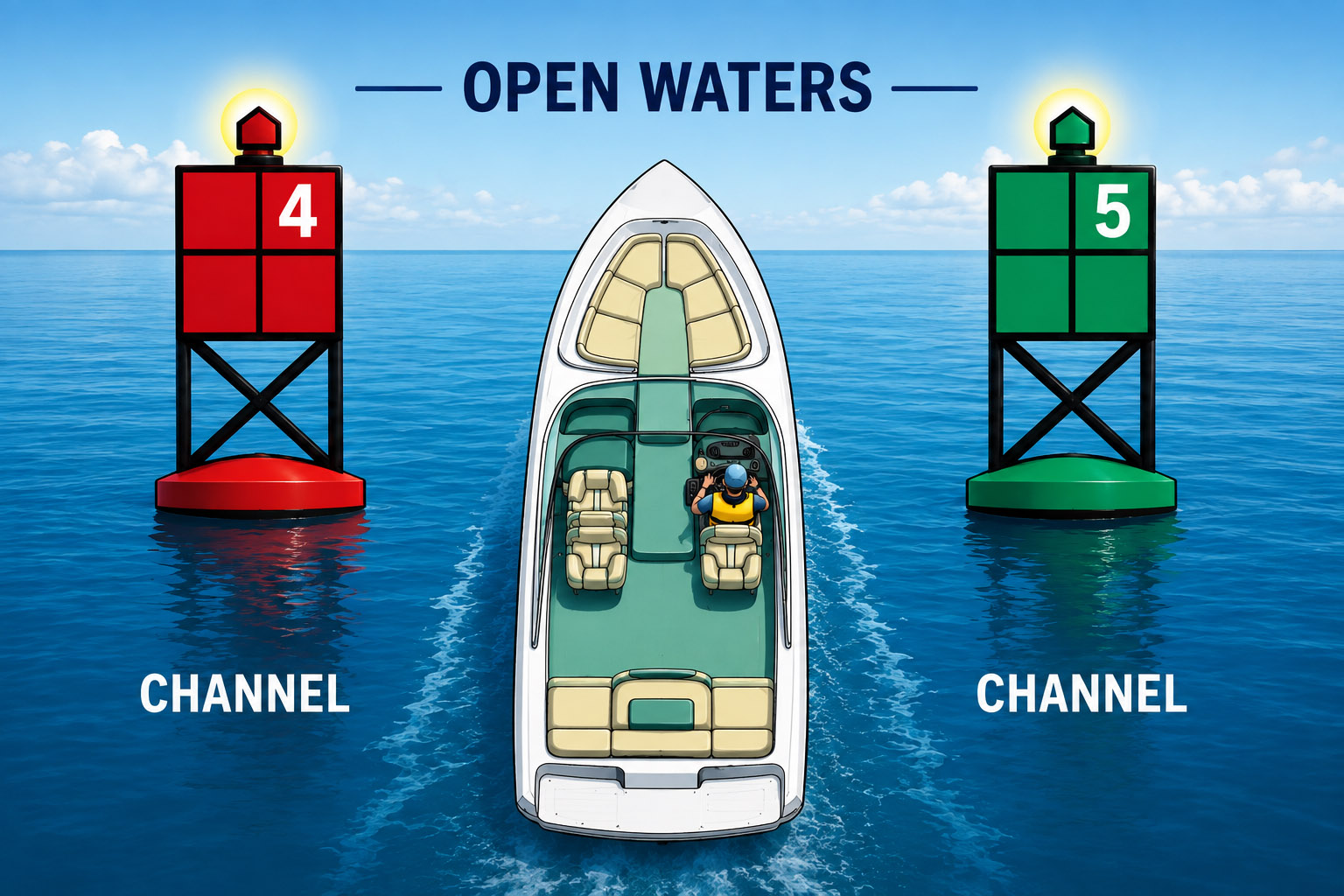
Red and green channel markers are essential navigation aids for boaters traveling through the waterways of Southwest Florida. They help define navigable channels and guide vessels through areas where shallow water, shoals, and changing bottom conditions may exist nearby.
Navigational markers aren't decorations.
They help define channels, identify hazards, and guide boat traffic through waterways where the safe route may not be obvious simply by looking across the surface.
If you don't understand what the markers mean, it's easy to make the wrong decision—especially when other boats appear to be traveling somewhere you think you can follow.
I don't recommend assuming: “That boat went there, so I can go there too.”
Their boat may have a different draft. They may know the area. Or they may be making a mistake themselves.
GPS Is a Tool—Not Your Eyes
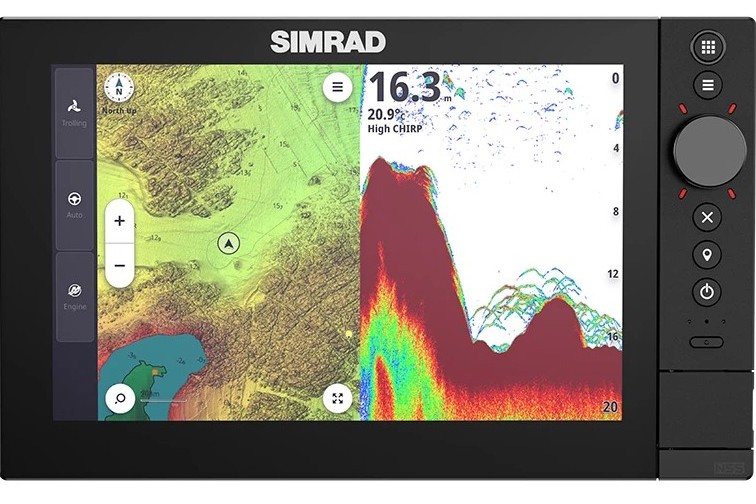
A Simrad chartplotter with C-MAP electronic charts gives boaters detailed information about channels, depth contours, shallow water, navigation aids, tides, currents, and surrounding coastal features.
GPS and chartplotters are extremely useful, and I use them too.
But I have also seen boaters follow the screen without paying enough attention to what is actually in front of them.
Charts and GPS information don't always show every recent change in a shallow coastal environment. Sand can shift, channels can change, and conditions may look different from what you expected.
The screen is one source of information. The water itself is another.
When I Don't Know the Water, I Slow Down
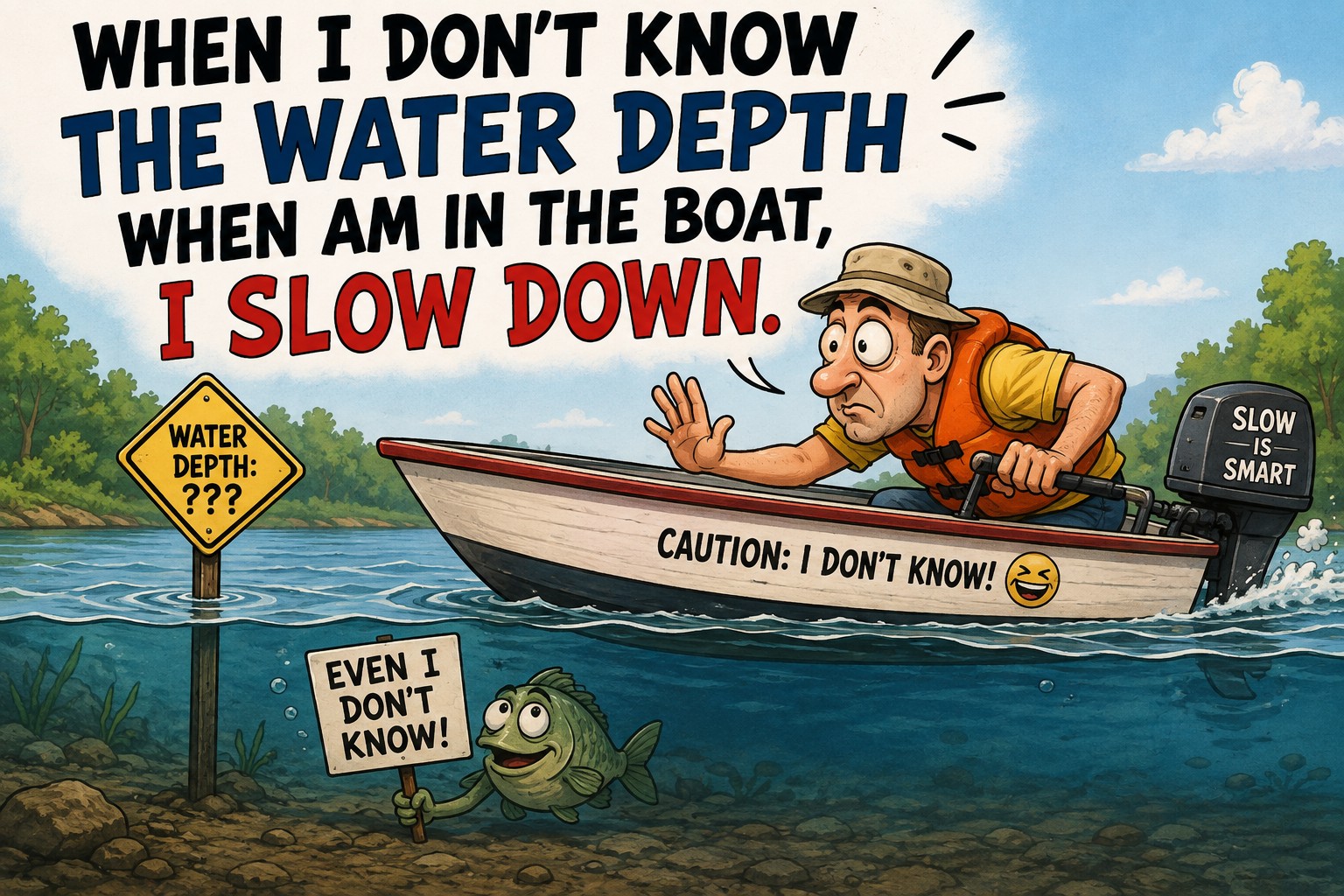
Watch on YouTube: When I don't know the water depth, I slow down. Join Captain Pavel on the waterways of Southwest Florida and see why slowing down, reading the water and staying alert are important when navigating unfamiliar or shallow areas.
This is one of my own basic rules.
When I'm entering unfamiliar shallow water, I reduce speed and give myself time to look.
Water color can provide useful clues about changing depth and bottom conditions. Polarized sunglasses can make those differences easier to see, especially when glare is strong.
I also watch my depth information and compare what the electronics are telling me with what I can actually see around the boat.
The important lesson I've learned is simple:
Don't let the GPS drive the boat.
Use the chart. Understand the markers. Watch the depth. And keep your eyes on the water.
For someone who already understands marine navigation, this can be part of the enjoyment of operating a boat.
For someone without that experience, navigation can quickly become one of the most demanding parts of a rental day.
Tides, Shallow Water, Sandbars and Beaches
A route that works in the morning may not work the same way later in the day.
That's one of the most important things I've learned about boating in Southwest Florida.
Water levels change with the tides, and in shallow areas even a relatively small change can affect where a boat can safely travel, anchor, or approach a sandbar or beach.
Getting There Doesn't Guarantee You Can Get Back
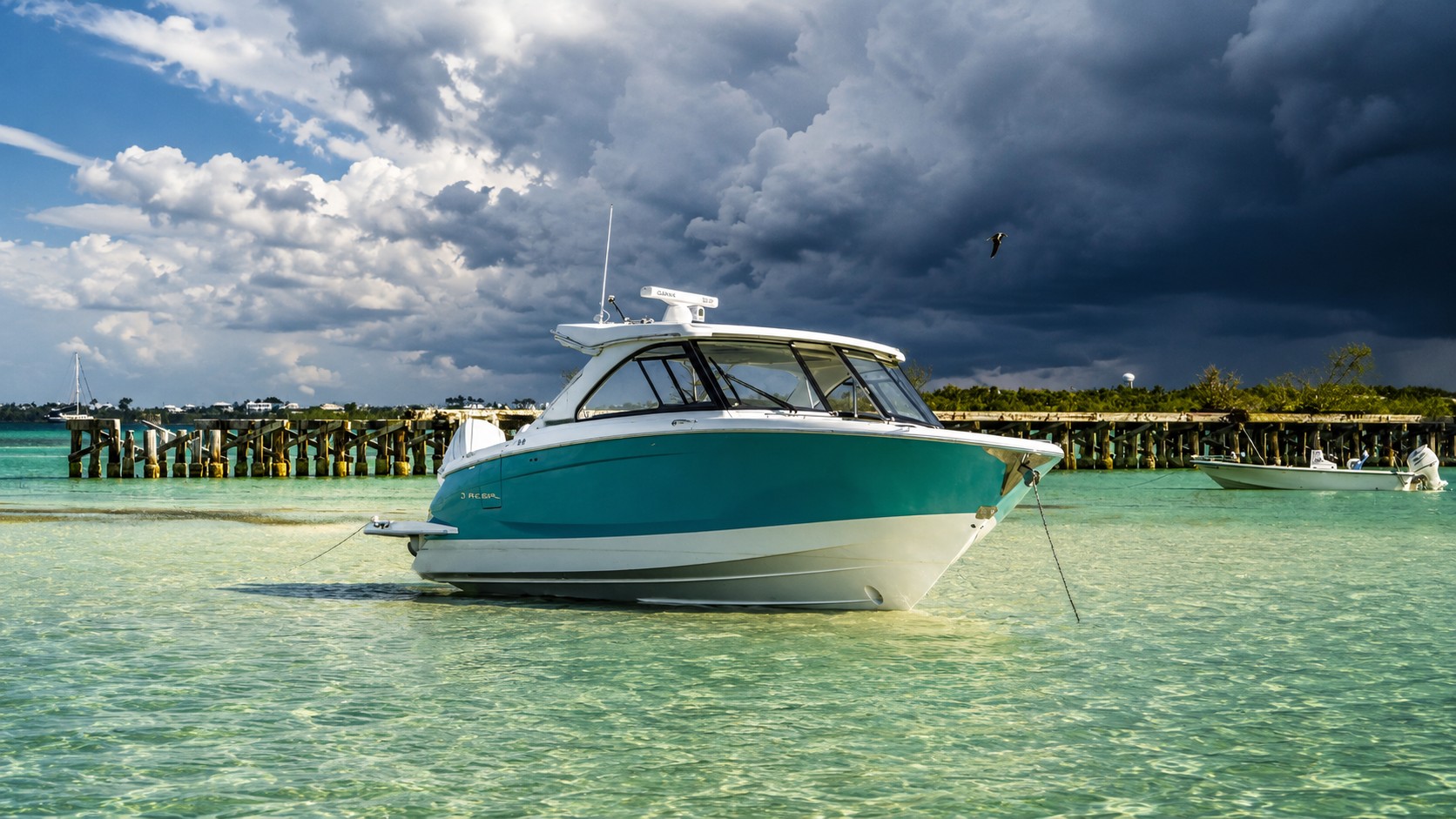
The boat owner failed to account for the falling tide and became stranded in shallow water. The boat appears to be recently acquired, as it does not yet display a registration number. With the next high tide about six hours away, the owner may have no choice but to wait overnight for enough water to safely float the boat again.
I've seen boaters arrive at a sandbar or shallow area, enjoy several hours there, and then discover that the water has receded around the boat.
The route they used to get in may no longer have the same depth when they're ready to leave.
That's why I don't only think about the water level when I arrive.
I think about what the tide is doing, what it is expected to do, and what conditions may look like when it's time to leave.
Sometimes that means using a different route on the way back.
This is something I've experienced myself:
The route you used to get somewhere doesn't have to be the route you use to get back.
I Approach Shallow Water Slowly
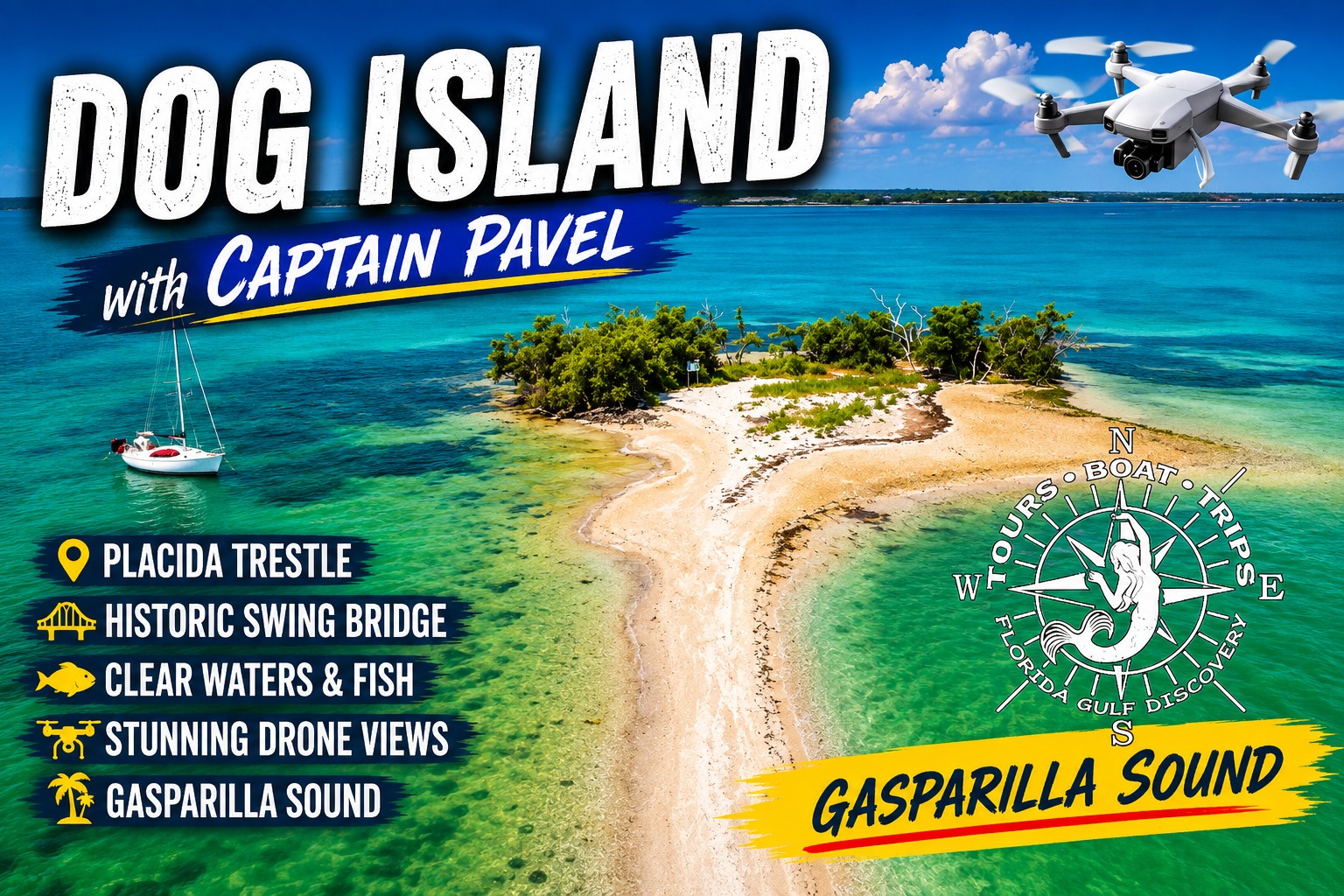
Watch on YouTube: Explore Dog Island in Gasparilla Sound from above with Captain Pavel. This drone view reveals the island, surrounding shallow water, sandbars and coastal landscape of Southwest Florida from a perspective that can only be fully appreciated from the air.
When approaching a sandbar, beach, or unfamiliar shallow area, speed matters.
I move slowly and give myself time to read the water.
I watch the water color, depth information, wind, and current. I also think about how the boat will move after I reduce power.
If necessary, I adjust the engine trim as the water becomes shallower.
The goal isn't simply to reach the shallowest possible spot.
The goal is to approach under control and still have a safe way to leave.
Shallow Water Requires Patience
One mistake I've seen is approaching a sandbar or beach too quickly.
At higher speed, you have less time to recognize a depth change and less room to correct your course.
Wind and current also matter. Even at low speed, they can continue moving the boat toward shallow water after you've reduced power.
This is especially important for someone operating an unfamiliar rental boat because you may not yet know exactly how quickly that particular boat slows, turns, or responds at low speed.
I've made mistakes in shallow water myself while learning, and those experiences changed how I operate today.
When the water gets shallow, I don't hurry. I slow down, look around, and give myself time to make the next decision.
For a rental operator, understanding the tide isn't just about knowing whether the water is going up or down.
It's about understanding how that changing water level may affect your route, your stopping place, and your ability to leave later.
Anchoring: Wind, Current and Changing Water Levels
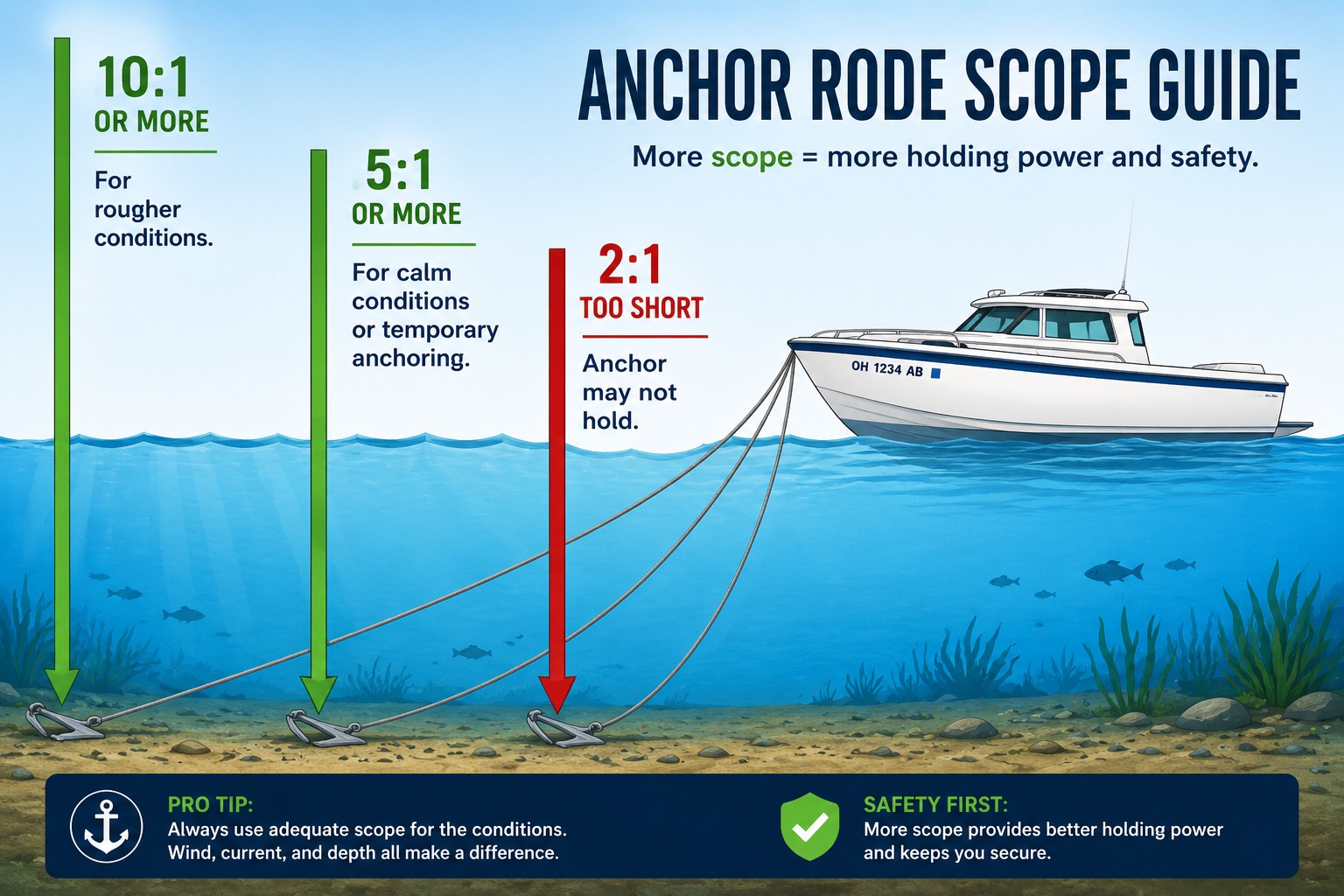
Anchor rode and proper scope are essential parts of safe anchoring. Scope is the relationship between the amount of rode deployed and the vertical distance from the boat's bow to the bottom. Using adequate scope helps the anchor pull more horizontally, improving its ability to set and hold. Before anchoring, I consider water depth, tide changes, wind, current, bottom conditions, available swinging room, and weather. After setting the anchor, I verify that it is holding and continue monitoring the boat's position. Anchoring is not simply dropping an anchor—it requires planning for how conditions may change while the boat is there.
Dropping an anchor over the side doesn't necessarily mean the boat is anchored.
The important question is: Did the anchor actually set, and is it holding?
I have seen boats at sandbars and other stopping places where the people aboard believed they were securely anchored, only for the boat to begin moving as wind, current, or water conditions changed.
Sometimes the movement is slow enough that nobody notices immediately.
By the time they realize what is happening, the boat may already be considerably farther from where they intended it to stay.
Think Before You Drop the Anchor
Before I anchor, I look at what the wind and current are doing.
I also think about what will happen after the anchor sets.
Which direction will the boat settle?
How much room is around me?
What other boats are nearby?
Is there shallow water, a beach, sandbar, dock, or another obstruction behind me?
Could the tide or current change while I'm stopped?
These questions matter because an anchored boat doesn't remain perfectly fixed in one position. It can swing around its anchor as wind and current change.
Setting the Anchor Matters
After lowering the anchor, I don't simply assume it is holding.
The anchor needs to engage the bottom and establish a secure set. Water depth, bottom conditions, wind, and current all matter, as does the amount of anchor line—or rode—you put out.
Once the anchor is set, I verify that the boat is actually staying where I expect it to stay.
And I continue paying attention.
Anchoring isn't something I do once and then forget about.
The Tide Can Change the Situation
Southwest Florida's changing water levels add another consideration.
The depth when you arrive may not be the depth later. Current can change as the tide changes, and the relationship between your boat, anchor, shoreline, sandbar, and nearby boats can change with it.
I've seen situations where people were enjoying the sandbar while the changing current began moving a boat whose anchor wasn't holding securely.
The boat can start drifting before anyone aboard realizes what is happening.
That is why I periodically check my position even when everything appears calm.
A Few Minutes of Attention Can Prevent a Big Problem
Anchoring looks simple when everything goes correctly.
But if the anchor isn't secure, a relaxing stop can quickly become a scramble to reach a drifting boat or prevent it from getting too close to another boat, shallow water, or an obstruction.
This is another lesson I learned through my own experience on the water:
Don't trust an anchor because you dropped it. Trust it after you've confirmed that it's holding—and keep checking it while you're there.
Wakes, Boat Traffic and Situational Awareness
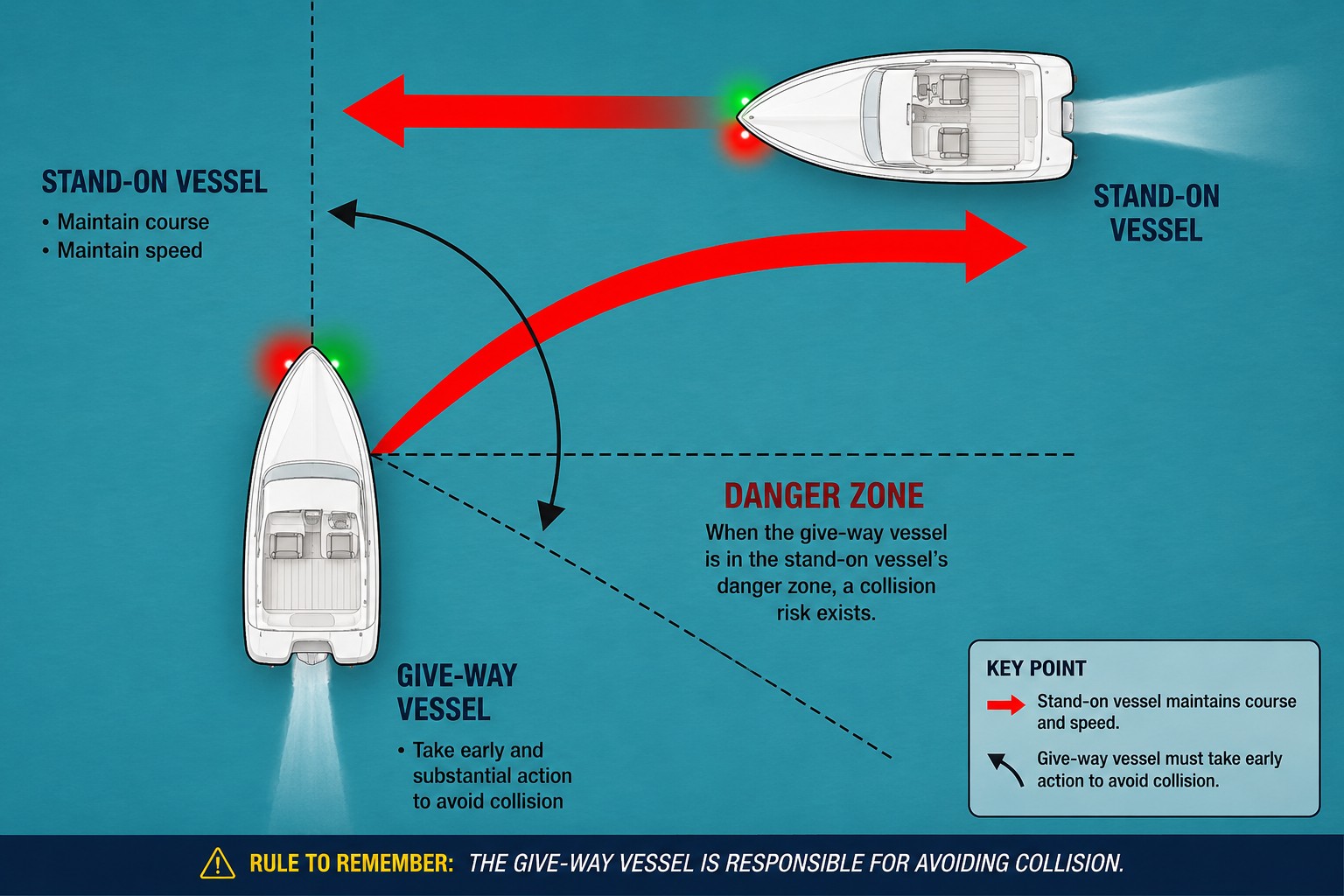
Understanding the difference between a stand-on vessel and a give-way vessel is an important part of collision avoidance on the water. In a typical crossing situation between power-driven vessels, the vessel that has the other boat on its starboard side is generally the give-way vessel and should take early and substantial action to keep clear.
Operating a boat isn't only about controlling your own vessel.
You also need to constantly watch what everyone else around you is doing.
Boats approach from different directions, vessels overtake one another, wakes cross your path, and another operator may not always do what you expect.
I have seen boaters make poor decisions when approaching or crossing the path of another vessel. Sometimes they aren't watching carefully enough. Other times, they appear to assume the other boat is going to move in a direction it doesn't.
On the water, assumptions can create problems quickly.
I Can Learn a Lot by Watching Someone Cross a Wake
One thing I notice is how an operator handles another boat's wake.
I can often get an idea of the driver's experience simply by watching how they cross it.
A wake shouldn't automatically be approached at the same speed and angle every time. The size and direction of the wake, your own boat, your speed, how passengers are positioned or moving aboard, and surrounding traffic all matter.
An experienced operator looks ahead, sees the wake developing, and makes the adjustment before reaching it.
An inexperienced operator may react only when the wake is already at the boat.
That difference can be felt by everyone aboard.
Look Beyond the Boat Directly in Front of You
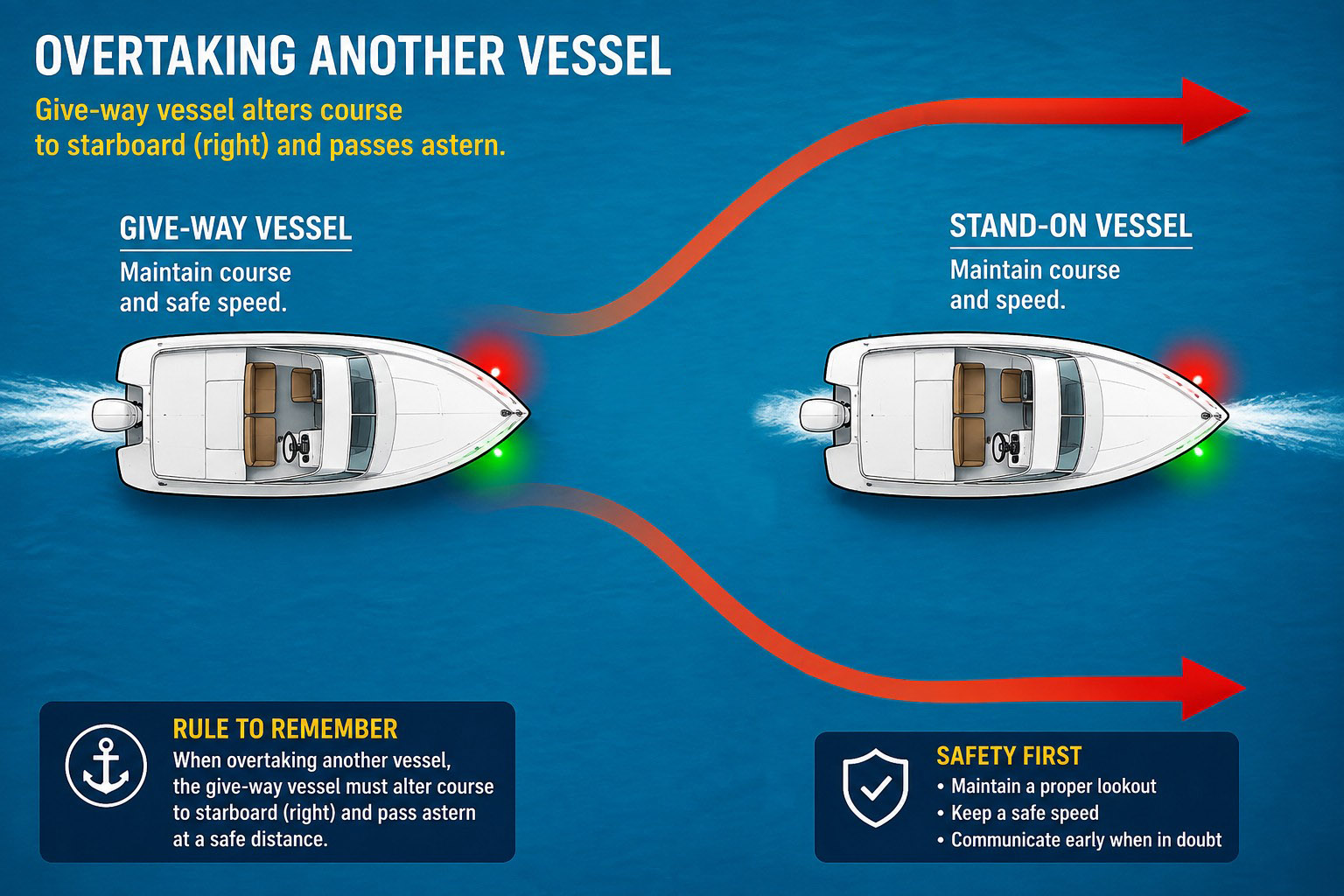
When overtaking another vessel, the vessel doing the overtaking is the give-way vessel and must keep clear of the vessel being overtaken. The vessel being overtaken is the stand-on vessel and should normally maintain its course and speed. The overtaking vessel should make its intentions clear, allow sufficient room, and consider traffic, wakes, water depth, channel width, wind, and current before passing. The responsibility to keep clear remains with the overtaking vessel until it is finally past and clear.
Situational awareness means looking farther ahead than your immediate path.
I watch boats approaching from the sides and behind me. I pay attention to boats that may cross my course, vessels slowing unexpectedly, and traffic around channels, bridges, passes, marinas, and popular sandbars.
Meeting, crossing, and overtaking situations are also governed by navigation rules. Knowing those rules helps make another boat's movements more predictable—but I still never assume the other operator will make the move I expect.
I also try to leave myself options.
If another operator makes an unexpected move, I want enough time and space to respond without turning one bad decision into two.
I never assume another boat operator sees me simply because I can see them.
Think Before You React
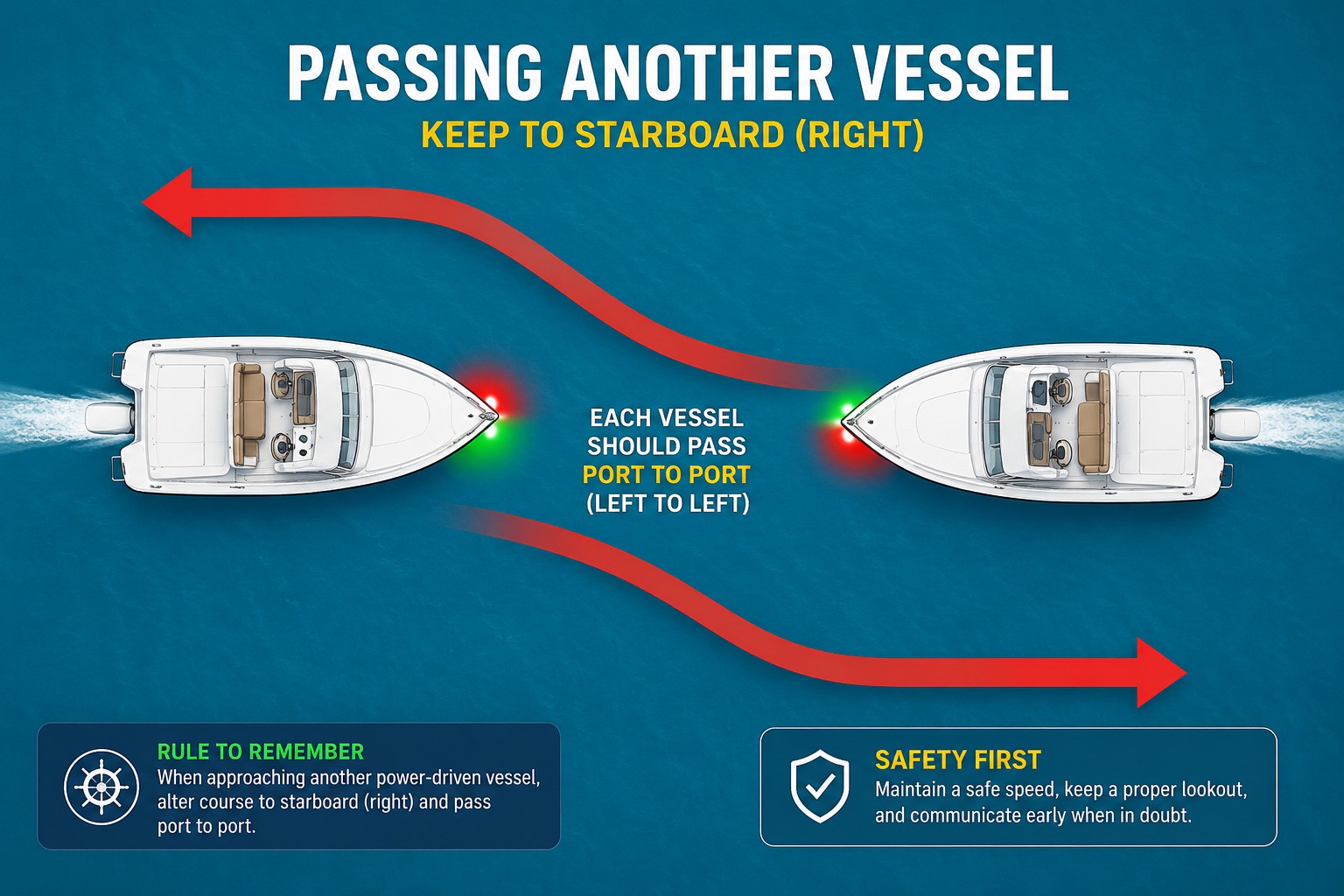
When two power-driven vessels meet head-on or nearly head-on, each vessel should normally alter course to starboard so they pass port side to port side. Both operators should make their intentions clear, take action early enough to be obvious, and maintain a proper lookout throughout the maneuver. Local conditions such as channel width, water depth, nearby traffic, wind, and current must also be considered. The goal is not simply to follow a rule—it is to make your actions predictable and maintain enough separation for both vessels to pass safely.
Experience gives you a better sense of what may happen next.
Where is that boat going?
Is it maintaining its course?
Will its wake reach me at an uncomfortable angle?
Do I have enough room?
What are the boats behind me doing?
Those are questions an operator may be processing while everyone else aboard is simply enjoying the ride.
This is another responsibility that comes with renting and operating a boat yourself.
Good boat handling isn't only about knowing what your boat is doing. It's about understanding what is developing around you before it becomes a problem.
No-Wake, Slow-Speed and Manatee Zones
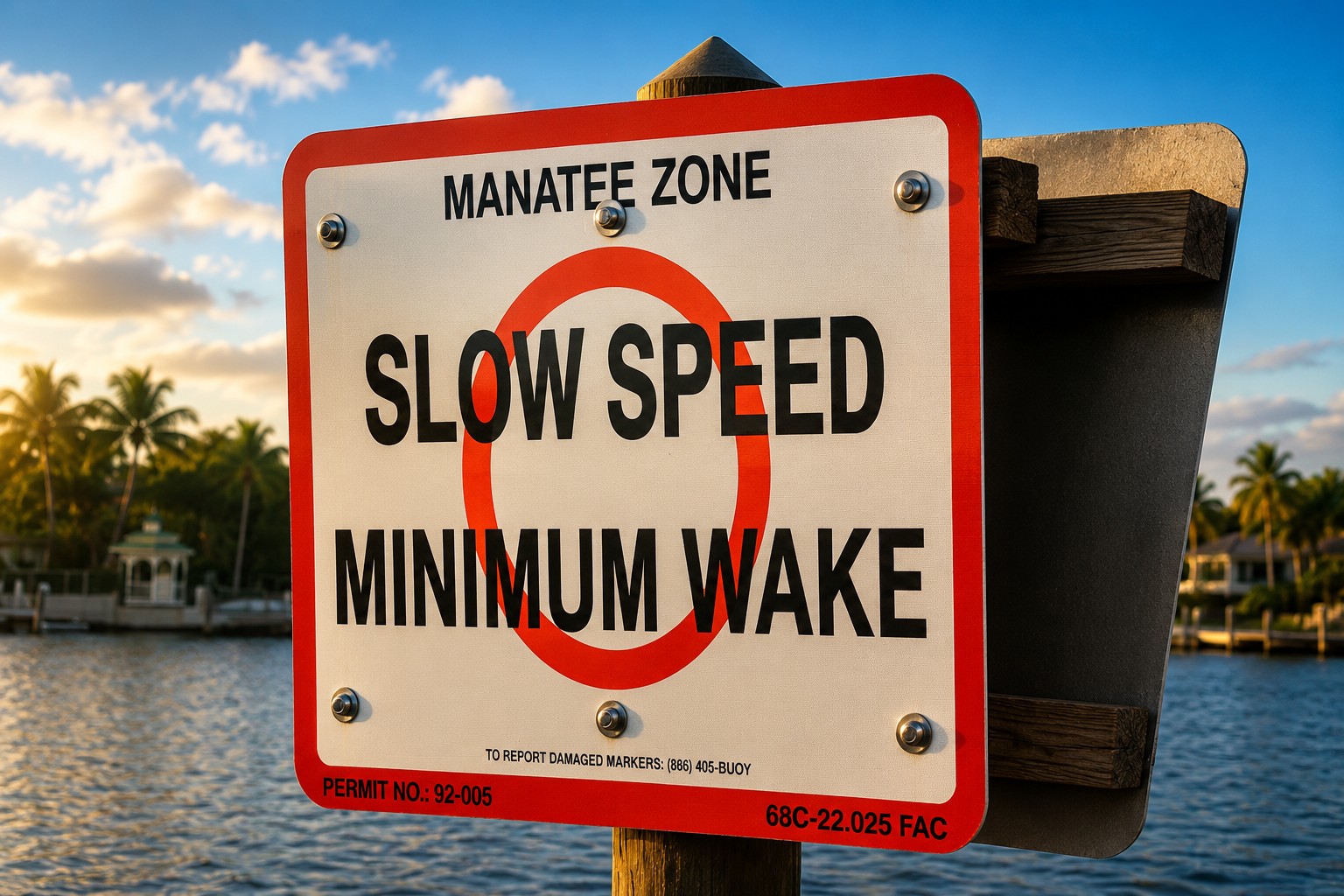
Manatee zones are common throughout Florida waterways.
Southwest Florida has many areas where boaters must reduce speed or follow specific operating restrictions.
Depending on the location, you may encounter idle-speed, slow-speed, no-wake, or manatee protection zones .
For someone renting a boat, this is another reason to do some homework before leaving the dock. Know the route you plan to travel and pay attention to the regulatory signs you encounter along the way.
I Have Seen Boaters Get This Wrong
I've seen boats travel too fast through areas where posted signs require reduced speed.
Sometimes the operator may have missed the sign. Other times, they may not understand what the restriction requires.
And yes, I have also seen law-enforcement officers stop boats in these areas.
A beautiful stretch of open water doesn't automatically mean you can operate at whatever speed you choose.
This is particularly important in areas where manatees may be present. Speed restrictions can help protect wildlife as well as docks, shorelines, other boats, and people using the waterway.
For me, slowing down in these areas isn't simply about avoiding a citation.
It's part of being a responsible boater and respecting the waters you're exploring.
Responsibility for Everyone Aboard
When you're operating a boat, your attention isn't only on navigation and traffic. You're also responsible for what is happening aboard your own boat.
Passengers may be talking, taking photographs, watching wildlife, moving between seats, or helping children. The operator still has to remain focused on safely operating the vessel.
My Rule When the Boat Is Moving
On my boat, I have a simple rule:
When the boat is moving, guests don't change positions without letting me know first.
If someone wants to move to another seat or another part of the boat, they tell me. I can then decide whether it's safe for them to move or whether I should slow down or stop first.
I developed this rule for a simple reason: the person at the helm may see something the passengers don't.
A wake may be approaching. Another boat may be crossing our path. Conditions may be changing ahead.
What looks like a perfect moment to stand up and move may not be the right moment from the captain's perspective.
Children Need Attention Too
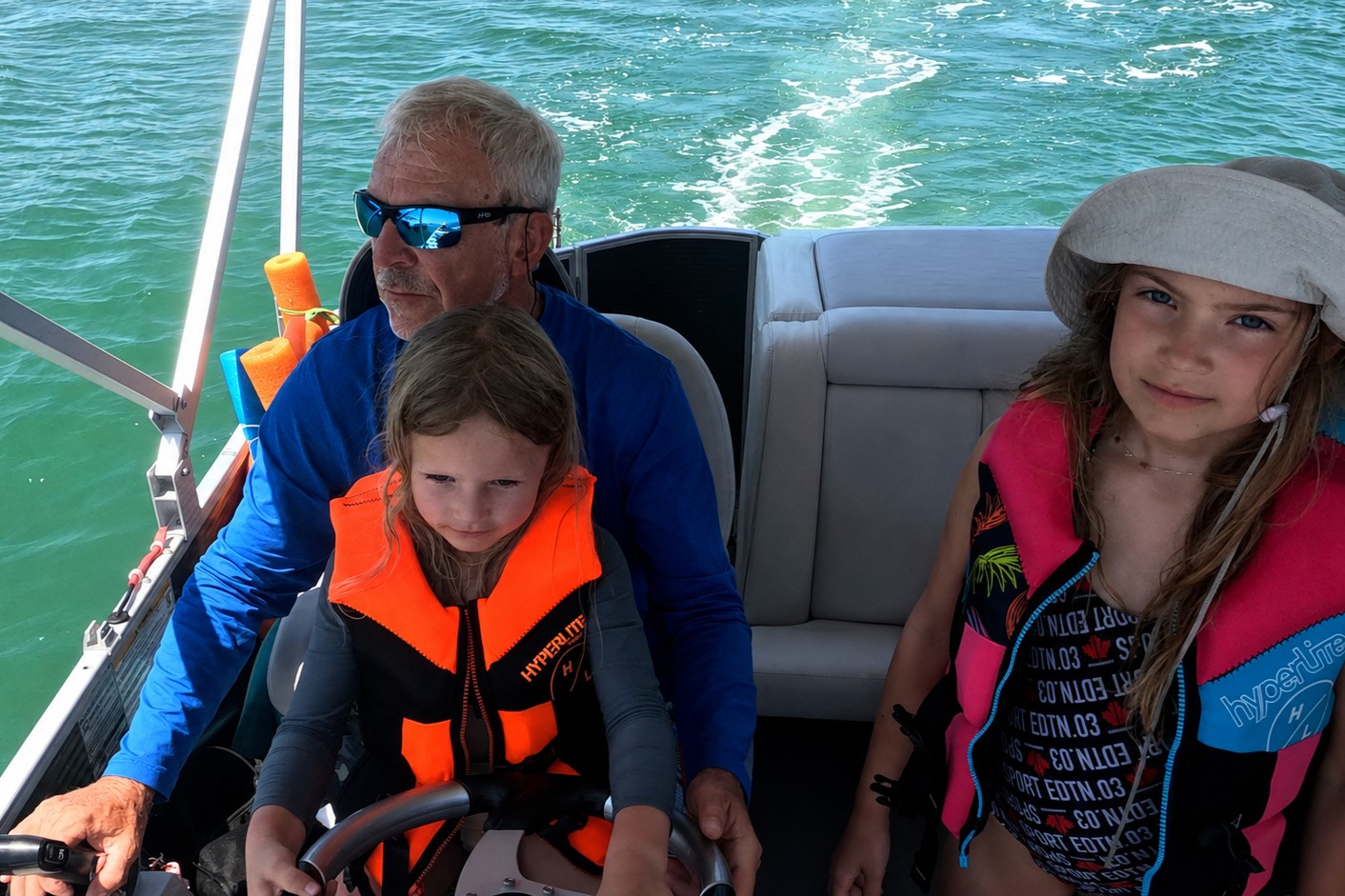
Kids on the boat with Captain Pavel. A family boat trip should be exciting, comfortable, and above all, safe. Before getting underway, children need a properly fitted, U.S. Coast Guard-approved life jacket appropriate for their size and weight.
Children aboard add another responsibility.
Parents naturally want to watch their children, but if a parent is also operating an unfamiliar rental boat, their attention can become divided.
It doesn't mean there will be a problem. It simply means someone still needs to operate the boat while someone is also keeping an eye on the children.
On a captain-led private tour, parents can concentrate more fully on their family while I concentrate on the boat.
Alcohol Changes the Situation
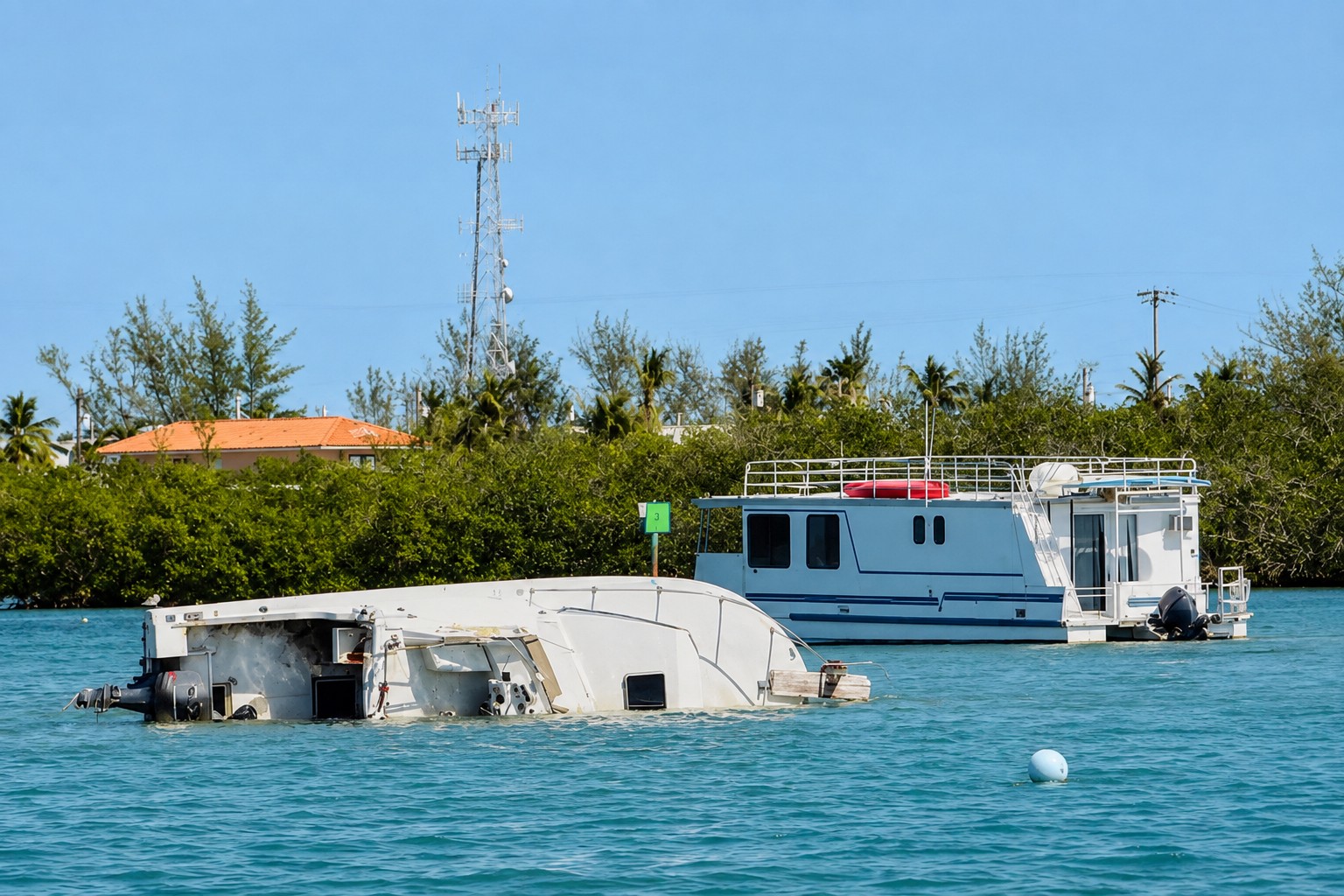
Don't drink too much. A cold drink may be part of a relaxing day on the water, but alcohol affects judgment, balance, coordination, vision, and reaction time. Sun, heat, wind, waves, vibration, and fatigue can make those effects even stronger on a boat.
Alcohol is another issue I have personally observed on the water, and unfortunately, I see it quite often.
There is an important difference between passengers enjoying a drink and the person responsible for operating the boat becoming impaired.
The operator needs judgment, awareness, coordination, and the ability to react when something changes. The person operating the boat also needs to remain capable of safely operating the vessel and complying with Florida boating laws.
For a rental group, someone still has to remain the responsible boat operator.
For me, the principle is straightforward:
Everyone aboard can enjoy the day—but someone always has to be responsible for the boat.
Small Problems That Can Stop Your Day on the Water
Not every boating problem involves shallow water, navigation, or changing conditions.
Sometimes the problem is surprisingly simple.
I've seen situations where someone couldn't get a boat started and immediately assumed there was something wrong with the engine.
But sometimes the first things to check are the simplest ones.
One example is the engine cut-off switch, commonly called the kill switch.
If the engine cut-off switch isn't properly set for operation, the engine may not start.
For an experienced boater, checking something like this may become almost automatic. For someone operating an unfamiliar rental boat, however, it may not be the first thing that comes to mind.
Learn the Boat Before Leaving the Dock
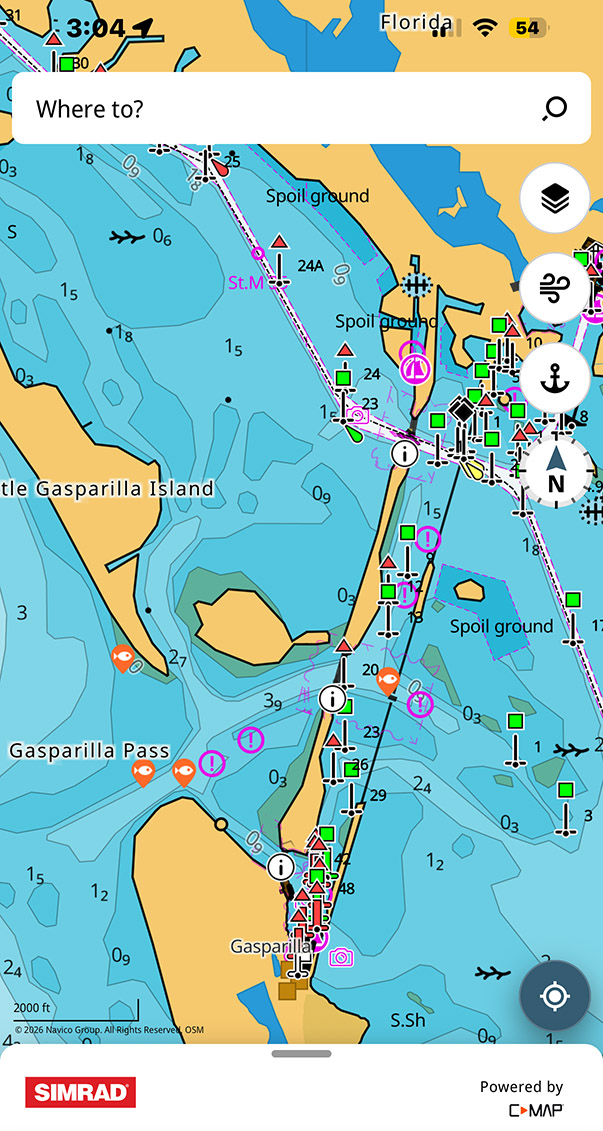
A Simrad C-MAP marine navigation chart provides important information when navigating Gasparilla Pass and the surrounding Southwest Florida waterways. Electronic charts can show marked channels, navigation aids, charted depths, shallow areas, and other features that help a boater plan a route. However, the route displayed on the screen should always be compared with actual water depth, channel markers, tides, wind, current, and visible conditions. In shallow coastal waters, conditions can change, and charted information does not replace careful observation and good seamanship.
Before leaving with a rental boat, take a few minutes to learn where the important controls and safety equipment are located and ask the rental staff about anything you don't understand.
Before leaving the dock, make sure you understand the boat's safety equipment, the rental company's rules, local hazards, and how the engine cut-off switch is used.
When you rent a boat, you're also learning the small details of that particular boat—its controls, switches, starting procedure, and equipment.
A simple oversight can consume valuable vacation time if you don't know what to check.
Sometimes the difference between a boating problem and a very simple solution is knowing what to check first.
What Does a Boat Rental Really Cost?
When comparing a boat rental with a private boat tour, it's easy to look only at the advertised rental price.
But the advertised price may not always be the final cost of your day on the water.
Around Southwest Florida, rental prices vary considerably depending on the type and size of boat, engine, rental duration, season, and company. A basic pontoon may cost considerably less than a larger or more powerful boat.
That's why I recommend comparing what is actually included, not simply the first number you see.
Look Beyond the Rental Price
Depending on the rental company, additional costs or requirements may include:
- Fuel
- Sales tax
- Booking or service fees
- Cleaning or fueling charges
- Damage deposits
- Damage waivers or insurance-related charges
- Optional equipment
- Late-return charges
Not every rental company charges all of these, and some include items that others charge separately.
Before booking, ask the rental company one simple question:
“What is my total expected cost, and which charges are or are not included?”
A Damage Deposit Isn't Necessarily Part of the Cost
Some rental companies require a refundable damage deposit.
I wouldn't automatically count that as part of the rental price because, assuming the boat is returned according to the rental agreement, the deposit may be returned.
But it is still important to know how much money may be held and what you're financially responsible for if the boat is damaged .
When you're operating the rental boat, that responsibility belongs to you under the terms of the rental agreement.
Compare More Than Dollars
This is where comparing a rental with a private boat tour becomes more interesting.
With a rental, you're paying for access to the boat and the freedom to operate it yourself.
With a captain-led private tour, you're paying not only for time aboard a boat, but also for someone else to handle the operation, navigation, route decisions, anchoring, docking, and changing conditions.
You're also paying for local experience.
That doesn't automatically make a private tour the better value for everyone.
An experienced boater who wants complete independence may consider the rental an excellent value.
A visitor who wants to spend the day with family or friends without being responsible for operating an unfamiliar boat may value something completely different.
Compare the Experience You Are Buying
Instead of asking only:
“Which one costs less?”
I think the better question is:
“What am I getting for the money—and what responsibilities am I taking on?”
Price matters.
But when you're choosing how to spend one of your vacation days on the waters of Southwest Florida, your time, experience, and responsibility have value too.
Boat Rental or Private Tour: Which One Fits You?
The better choice is the one that matches your experience, your group, and the kind of day you want to have.
A Boat Rental May Be Right for You If...
A rental can be an excellent choice if you:
- Have solid boating experience
- Are comfortable operating an unfamiliar boat
- Understand basic navigation and boating rules
- Are prepared to research the local waterways before your trip
- Are comfortable taking responsibility for the boat and everyone aboard
- Enjoy being at the helm
- Want the independence to plan and manage the entire day yourself
For an experienced boater, that responsibility may not feel like work at all.
Operating the boat may be part of the fun.
I understand that completely.
A Private Boat Tour May Be Right for You If...
A captain-led private tour may make more sense if you:
- Are visiting Southwest Florida and don't know the local waterways
- Have limited boating experience
- Don't want to operate an unfamiliar boat
- Want everyone in your group to enjoy the day together
- Are traveling with children or family
- Want local knowledge of islands, beaches, sandbars, wildlife, and waterfront destinations
- Prefer to leave navigation and boat operation to someone else
For these guests, the value isn't simply having someone drive the boat.
It's being able to experience the water without having to manage the boat at the same time.
Ask Yourself One Question
When deciding between the two, I think there is one particularly useful question:
Do I want to operate a boat today, or do I want to explore Southwest Florida by boat today?
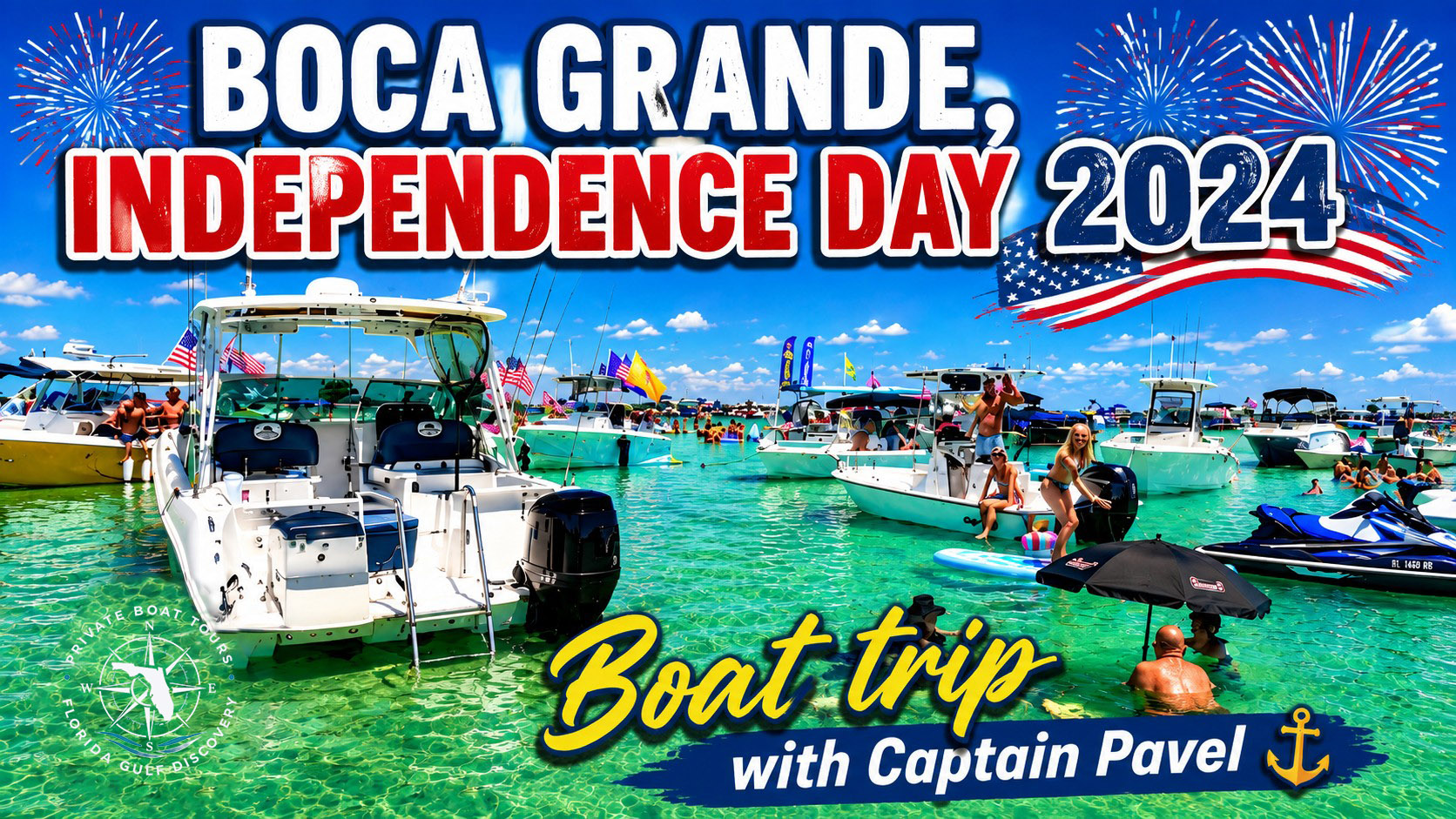
Watch on YouTube: Join Captain Pavel for an Independence Day 2024 family boat trip around Boca Grande, Florida. Enjoy a summer day on the water filled with swimming, exploring and family time in the warm salt water of Southwest Florida—a memorable Boca Grande boating adventure for adults and young children.
For some people, the answer is clearly the first.
They enjoy operating boats, want complete independence, and are comfortable accepting the responsibility that comes with it. A rental may be exactly what they're looking for.
For others, the boat is simply the way to reach the places they came to see.
They want to watch dolphins, walk a quiet beach, explore a barrier island, relax at a sandbar, stop for waterfront dining, take photographs, or spend time with their family.
For them, having a captain at the helm can change the entire experience.
My View as a Captain
I've made many of the boating mistakes discussed in this guide myself while learning, and I've also watched other boaters encounter the same situations.
That's why I don't believe the question should be:
“Is renting a boat good or bad?”
The better question is:
“Am I comfortable taking responsibility for operating this boat, in these waters, with these people aboard?”
If the answer is yes, renting can provide a great day of independent boating.
If the answer is no—or if you simply don't want that responsibility on vacation—a private boat tour may be the better fit.
The goal is the same either way: enjoy Southwest Florida and come back from the water with a good story to tell.
Frequently Asked Questions
Is it better to rent a boat or take a private boat tour in Southwest Florida?
It depends on your boating experience and what you want from the day.
An experienced boater who enjoys operating a boat and is comfortable navigating unfamiliar waters may prefer a rental. Visitors who want to relax, explore, and leave navigation and boat operation to someone else may prefer a captain-led private tour.
Do I need boating experience to rent a boat in Florida?
Rental and operator requirements can depend on your age, the boat, current Florida regulations, and the policies of the individual rental company. Do not assume that every rental company has the same requirements.
Before renting, contact the rental company and ask exactly what identification, boating-safety education, certificates, or previous experience they require.
If you're unsure about a legal requirement, confirm it with the appropriate Florida boating authority before operating the boat.
Is a private boat tour more expensive than renting a boat?
Not necessarily.
Prices vary depending on the boat, trip duration, season, fuel policy, fees, and what is included.
Don't compare only the advertised prices. Ask the rental company for the total expected cost and what is included before booking.
Then compare that with the price and inclusions of the private boat tour.
Can I take a rental boat anywhere I want?
Do not assume that you can.
Rental companies may establish operating boundaries or restrict certain waterways, offshore travel, beaches, sandbars, passes, or destinations.
Before renting, tell the company where you would like to go and ask:
“Am I permitted to take this boat there?”
Get the answer before leaving the dock.
Can I visit sandbars and beaches with a rental boat?
Possibly, but this depends on the rental company's rules, the particular boat, the destination, and conditions on the day of your trip.
If visiting a particular sandbar, island, or beach is important to you, ask the rental company specifically whether its boat is permitted and suitable for that destination before you rent it.
Can I see dolphins from a rental boat?
Wild dolphins are frequently encountered in Southwest Florida waters, but sightings are never guaranteed.
If you encounter dolphins, observe them responsibly and follow current federal wildlife-viewing rules and recommendations.
Don't chase, feed, touch, or intentionally disturb wild dolphins.
Is a private boat tour good for families with children?
For many families, yes.
One advantage is that a parent doesn't also have to be the boat operator. Parents can concentrate more on their children and the experience while the captain concentrates on operating and navigating the boat.
What should I ask before renting a boat?
Before paying for a rental, I recommend asking about:
- Total price and additional fees
- Fuel policy
- Security or damage deposit
- Damage responsibility
- Required boating credentials or certificates
- Permitted operating area
- Restricted destinations or waterways
- Return time
- Safety equipment
- Boat controls and starting procedure
- What happens if the boat develops a problem
- Who to call if you need assistance on the water
If you're planning to visit a specific place, name that destination and confirm that you're permitted to take the rental boat there.
Don't assume.
What should I ask before booking a private boat tour?
Ask whether the trip is private or shared, how long it lasts, what is included, where it departs from, what you should bring, and what types of destinations may be possible.
You should also ask how weather and changing water conditions are handled.
A responsible captain should be willing to explain that the final route may sometimes need to change because of conditions on the water.
What is the biggest difference between a boat rental and a private boat tour?
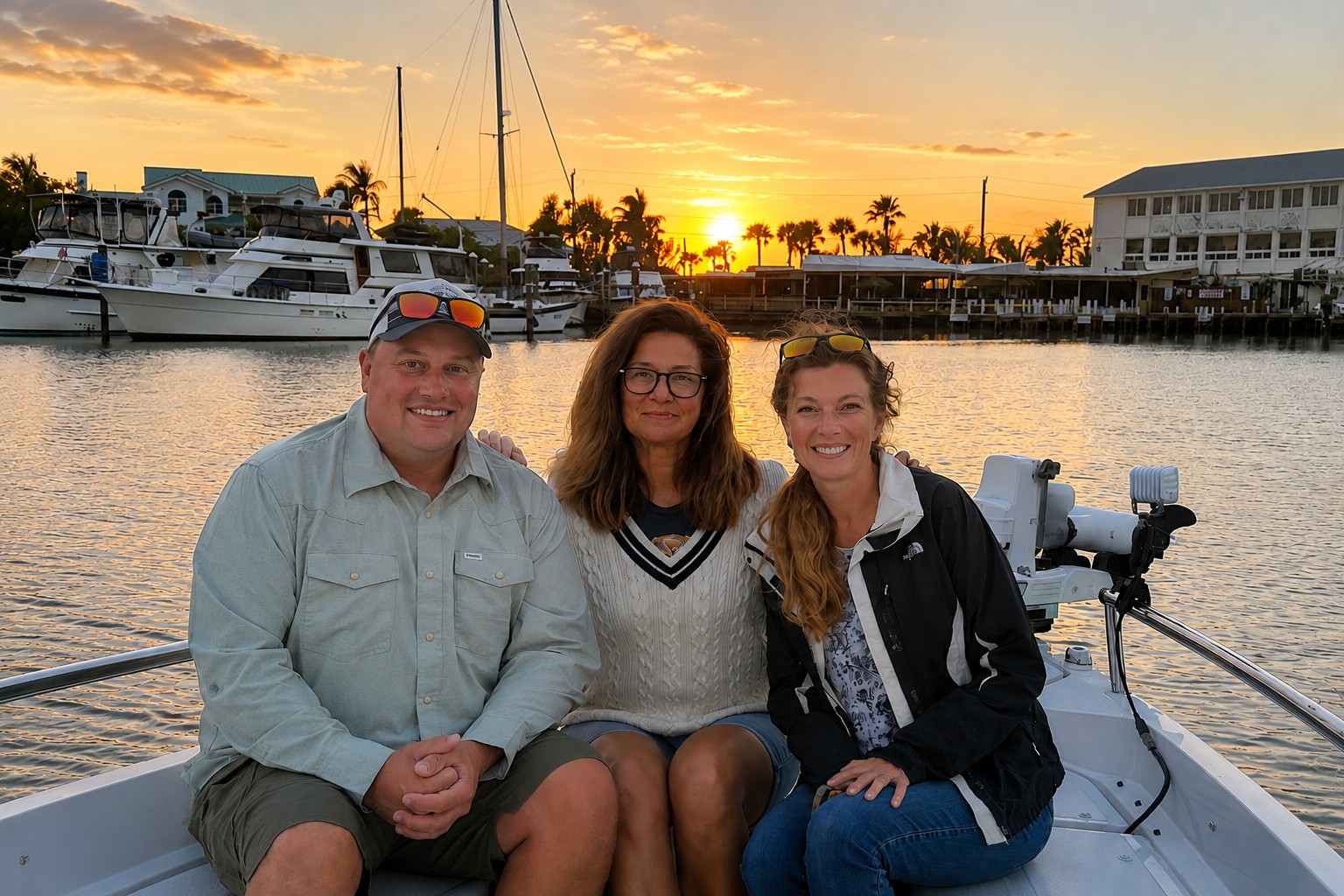
A beautiful Lemon Bay sunset near Manasota Key is one of the best ways to experience an evening on the water in Southwest Florida. With a private boat tour with Florida Gulf Discovery, there is no need to rush back to the dock before the sun goes down. We can stay on the water and enjoy the full sunset, watching the colors change across Lemon Bay and the Gulf horizon. The evening can also include a stop for waterfront dinner at the White Elephant Pub, followed by a relaxed boat ride back to the dock after dinner. Because every trip is private and customized, the evening can be planned around the sunset, dinner, and your group rather than a fixed sightseeing schedule.
For me, the biggest difference is responsibility.
With a rental, you are paying for the opportunity to operate the boat yourself and accepting the responsibilities that come with it.
With a captain-led private tour, you're paying for the experience of being on the water while the captain handles the operation and navigation of the boat.
Neither choice is automatically better.
The right choice is the one that matches your boating experience, your group, and the kind of day you want to have on the water.
