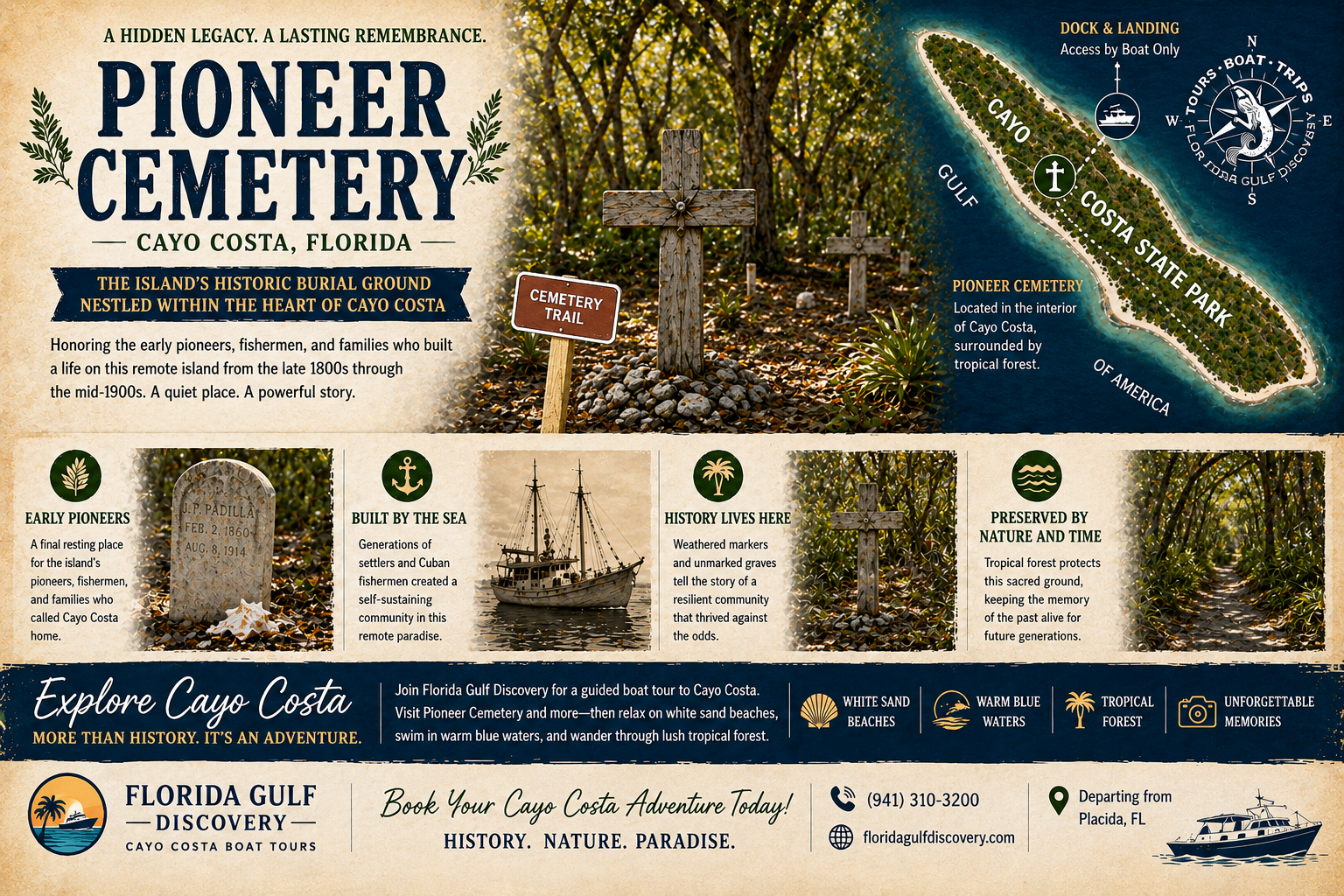
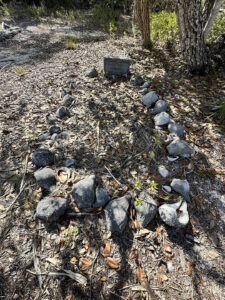
When most people think about Cayo Costa they picture beautiful beaches, shells, wildlife, and one of the most peaceful barrier islands in Southwest Florida. But there is another side of the island that many visitors never hear about. Hidden in its history is Pioneer Cemetery, a quiet burial ground that tells the story of the people who once lived, worked, raised families, and built a real community on Cayo Costa long before it became a state park. Florida State Parks says the island supported a small fishing village community, and the last pioneers and fishing village residents left in 1958.
That is what makes Pioneer Cemetery so meaningful. It reminds us that Cayo Costa was not always just a place people came to visit. It was once a place people called home.
What Is Pioneer Cemetery on Cayo Costa?
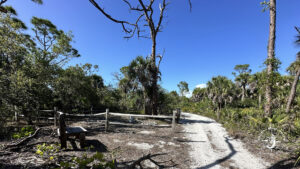
Pioneer Cemetery is generally understood as the burial ground connected to Cayo Costa’s broader pioneer settlement and fishing community. Public cemetery records describe it as a site that began as a final resting place for members of the Padilla family, but today it is commonly viewed as part of the larger story of the island’s early residents.
In a remote place like Cayo Costa, burial on the island was often the only practical choice. Families lived far from the mainland, depended on the surrounding waters, and created their own close-knit island world. Pioneer Cemetery stands as one of the few remaining signs of that vanished way of life.
The Fishing Community That Once Lived Here
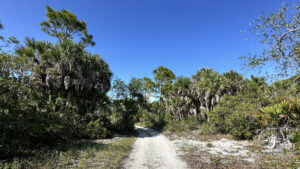
To understand Pioneer Cemetery, you have to understand what Cayo Costa used to be. Florida State Parks says that by the early 1900s, about 20 fishing families lived on the island, along with a school, post office, and grocery store. That means Cayo Costa was not just an empty island or a temporary camp. It was a living, working community where people built homes, raised children, and made their living from the Gulf and Charlotte Harbor.
The cemetery reflects that reality. It was part of everyday island life. It belonged to the fishermen, settlers, and families who built a life here when conditions were beautiful, but often isolated and difficult.
The Padilla Family Connection
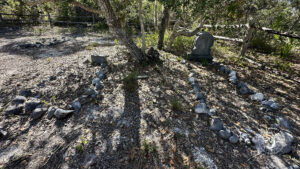
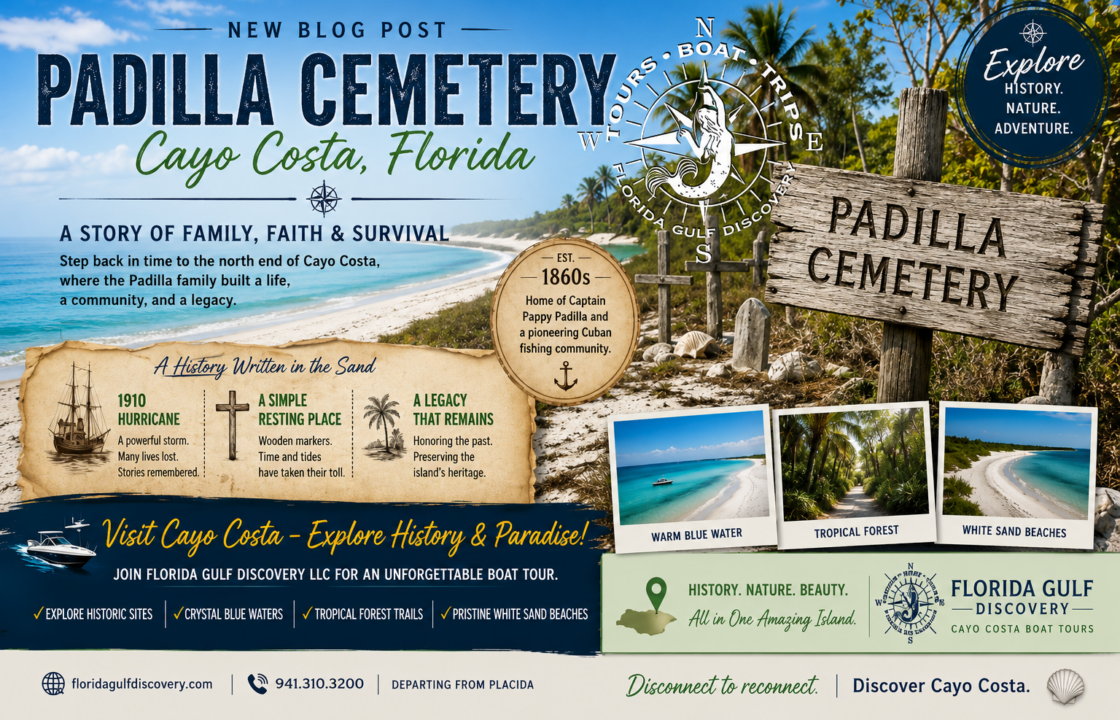
One reason Pioneer Cemetery is so historically interesting is its connection to the Padilla family, one of the best-known early families on Cayo Costa. Find a Grave says the cemetery began as a final resting place for Padilla family members. The Florida Museum’s Randell Research Center also identifies Toribio “Tariva” Padilla, often known as Captain Pappy, as a major figure in Cayo Costa’s history. That source says he was born in 1832, became a U.S. citizen in 1862, and became part of the Gulf rancho world that shaped island life in the second half of the nineteenth century.
Even with that Padilla connection, Pioneer Cemetery is still best understood as part of the wider pioneer story of Cayo Costa. It reflects not only one family, but the broader island community that grew around the fishing trade.
Storms, Erosion, and Lost History
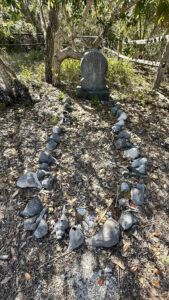
Part of what makes Pioneer Cemetery feel so haunting today is that time has not left it untouched. Like much of Cayo Costa, the area has been shaped by storms, erosion, and shifting shorelines. Florida State Parks says an estimated 30 Cuban fishermen who died during the 1910 hurricane may also be buried at the site, although much of the area has eroded into the bay.
That detail adds another layer to the story. Pioneer Cemetery is not only a burial ground for island families. It may also hold the memory of one of the great maritime tragedies connected to the old Gulf fishing world. On a barrier island, history does not always stay neatly preserved. Wind, water, and storms can erase markers, change the shoreline, and leave only fragments behind.
Why Pioneer Cemetery Still Matters
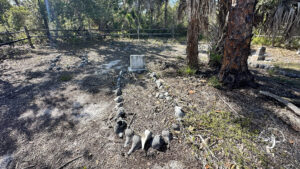
Today, many people visit Cayo Costa for its natural beauty, but Pioneer Cemetery offers something different. It gives the island a human voice. It reminds us that before there were hiking trails and day trips, there were families here living real lives. They worked hard, endured storms, buried their loved ones, and created a community in one of the most beautiful and isolated places on the Florida coast.
That is why Pioneer Cemetery still matters. It is one of the last physical links to the people who shaped old Cayo Costa. It tells the story of a fishing village, a pioneer settlement, and a way of life that disappeared when the last residents left in 1958.
Final Thoughts
Pioneer Cemetery on Cayo Costa may be quiet and easy to overlook, but its story is much larger than the size of the site itself. It preserves the memory of the island’s early families, its fishing heritage, and the community that once made a home here between Charlotte Harbor and the Gulf. For anyone who wants to understand the real history of Cayo Costa, Pioneer Cemetery is one of the most meaningful places to begin.