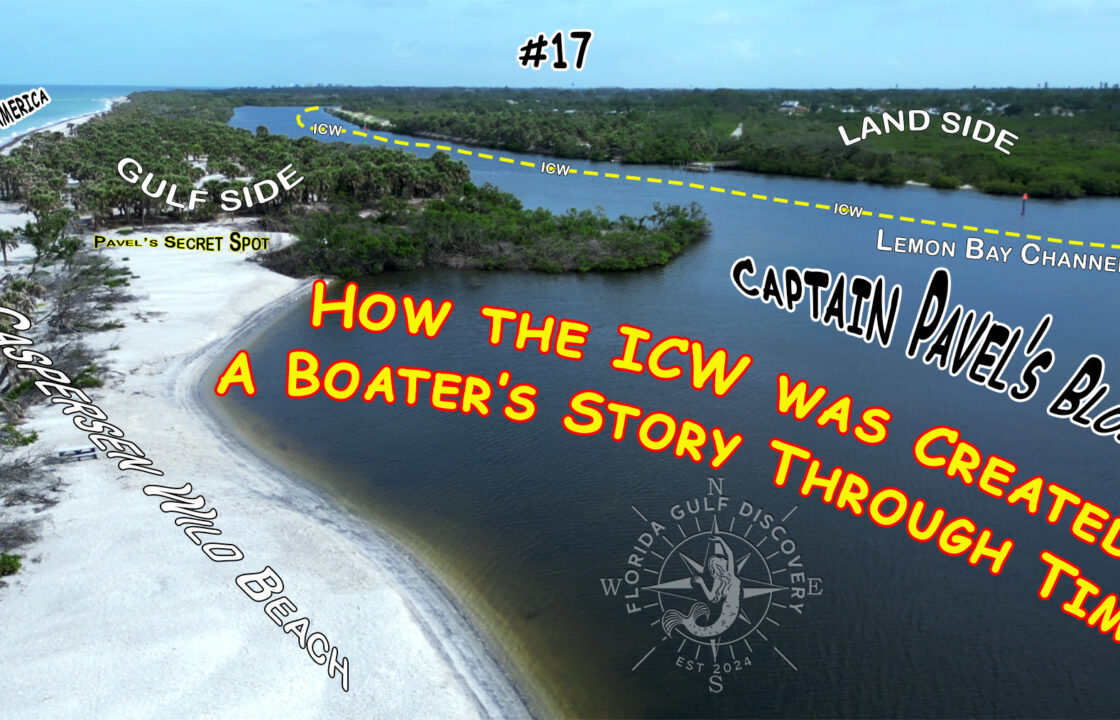
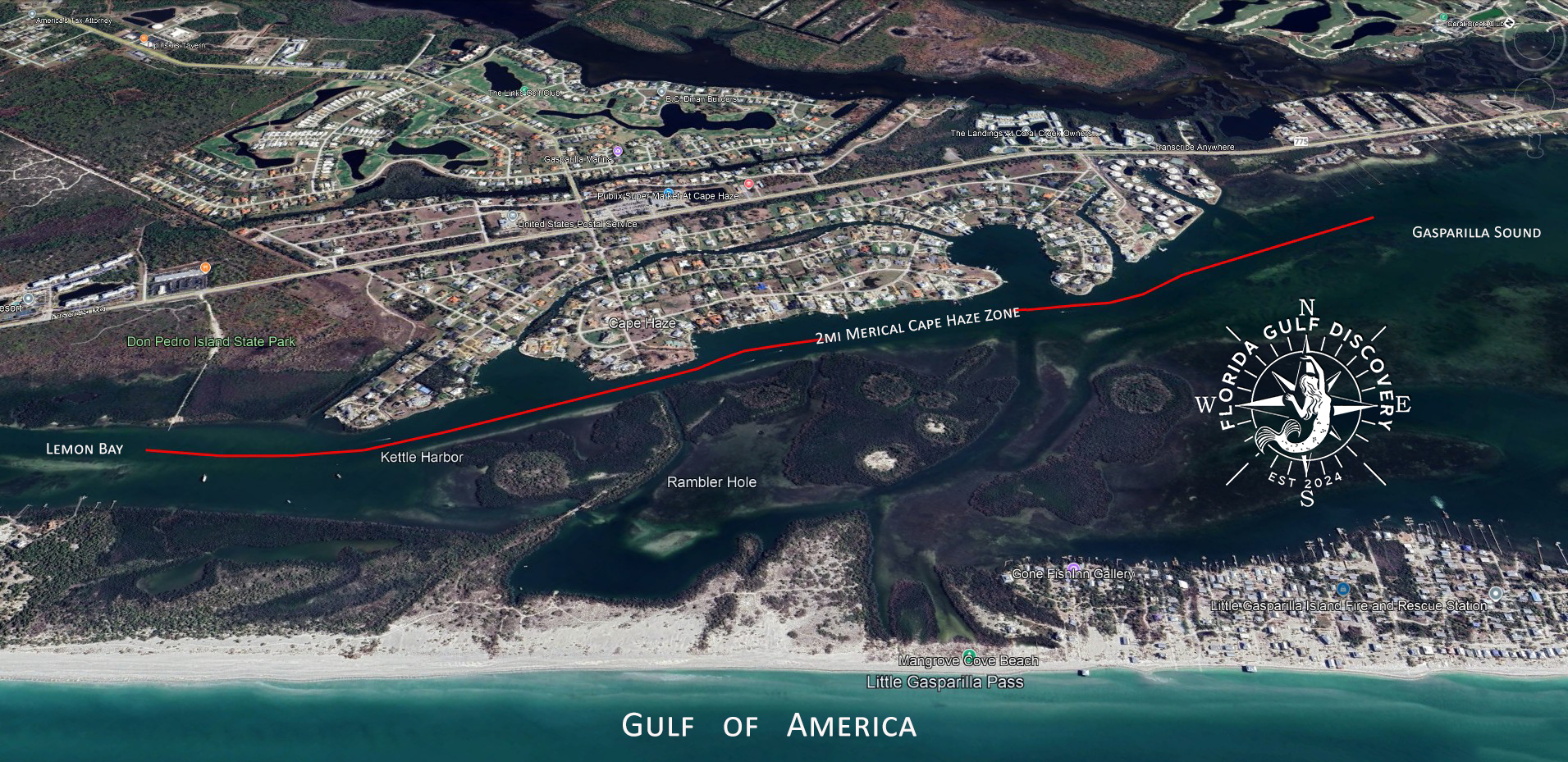
This part of the Intracoastal Waterway (ICW) near Cape Haze connects Lemon Bay with Gasparilla Bay—a beautiful but busy stretch of water. The posted Slow Speed – Minimum Wake Zone isn’t just a random rule; it plays an important role in keeping both boaters and marine life safe.
Here’s what I explain to my guests on every trip:
1. Boater Safety
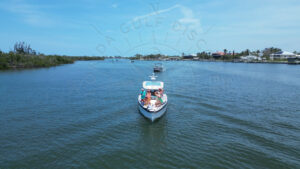
This narrow, high-traffic area sees a mix of vessels—everything from large motorboats to kayaks and paddleboarders. Slowing down helps everyone stay safe by improving reaction time and preventing dangerous collisions in these tight conditions.
2. Manatee Protection

Florida’s waterways are home to the gentle manatee, an endangered species that often swims just below the surface. Slower speeds greatly reduce the risk of boat strikes, one of the leading causes of manatee injuries and deaths.
3. Protecting Property and Shorelines
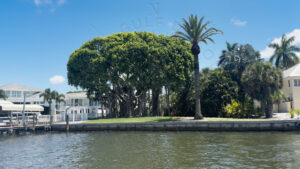
A large boat wake can do serious damage—eroding shorelines, rocking docks, and harming moored boats. Keeping speeds low helps preserve the waterfront and local habitat.
4. Environmental Preservation
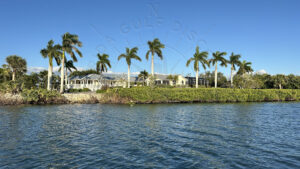
Slow-speed zones also protect delicate mangroves, seagrass beds, and marine ecosystems. These habitats are crucial for fish, birds, and other wildlife that make this region so vibrant and unique.
5. The Historical Secret of Cape Haze Sound
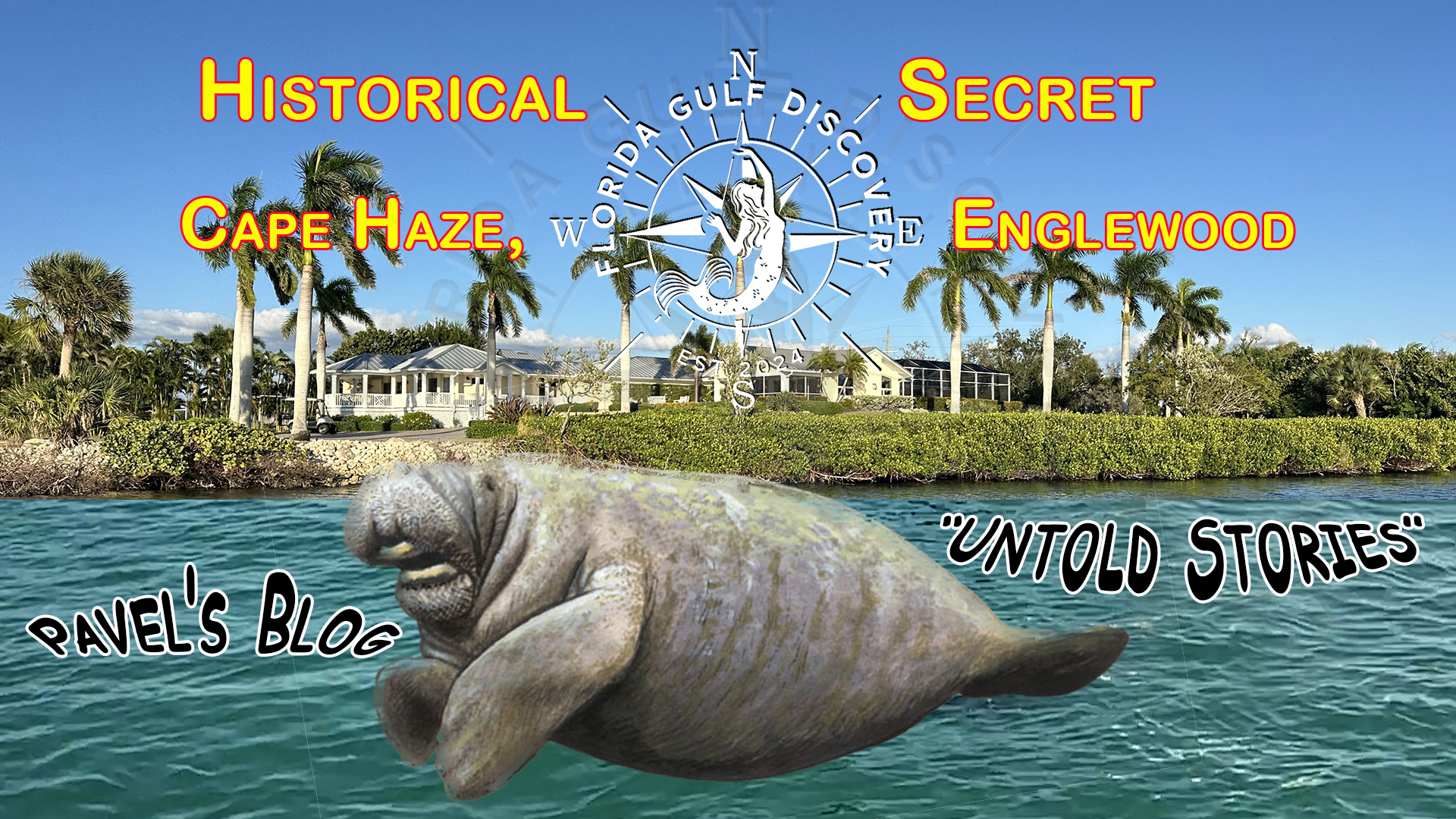
There’s another reason why the No Wake Zone in Cape Haze Sound has long captured curiosity. Official information about this particular area is limited—perhaps intentionally—to protect what some locals refer to as one of Florida’s great maritime mysteries, hidden from the public for nearly two centuries.
According to stories passed down through generations, an unidentified creature, said to be more than 25 feet long, is believed to inhabit these waters. Its hard, armor-like surface could cause serious damage to any vessel that might strike it at high speed.
I can’t speak publicly yet about the Historical Secret of Cape Haze Sound, but one day, I believe the truth will make headlines. Until then, I always advise my guests: stay cautious, respect navigational rules, and protect both yourself and the waters you explore.
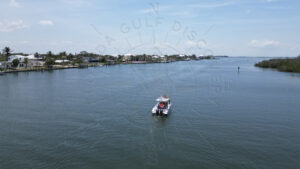
When traveling through a “Slow Speed – Minimum Wake” zone, vessels must stay completely off-plane and settled in the water, creating only a small ripple behind. If you see an “Idle Speed – No Wake” sign, that means operating at the absolute minimum speed necessary to maintain steerage.
So, the next time you’re exploring Cape Haze by boat and find yourself going 5 mph, remember—it’s not just a rule, it’s a way to protect Florida’s natural beauty and keep everyone safe on the water.
Written by Captain Pavel Florida Gulf Discovery – Private Boat Tours, Wildlife Watching & Coastal Adventures & Discovery www.FloridaGulfDiscovery.com