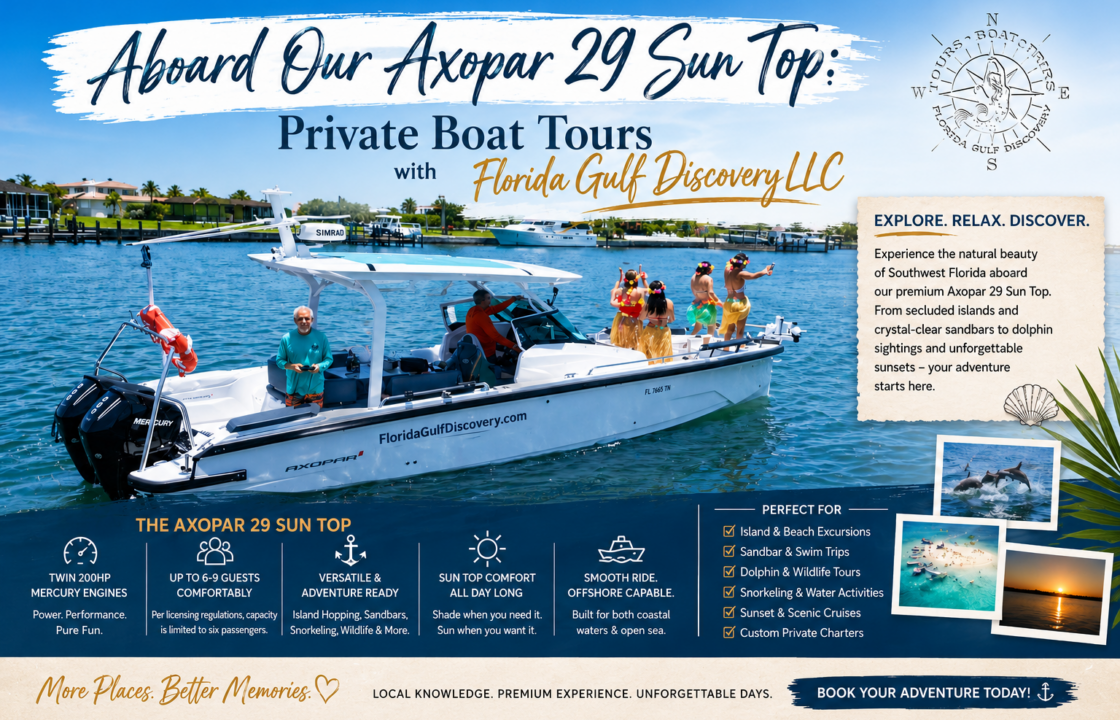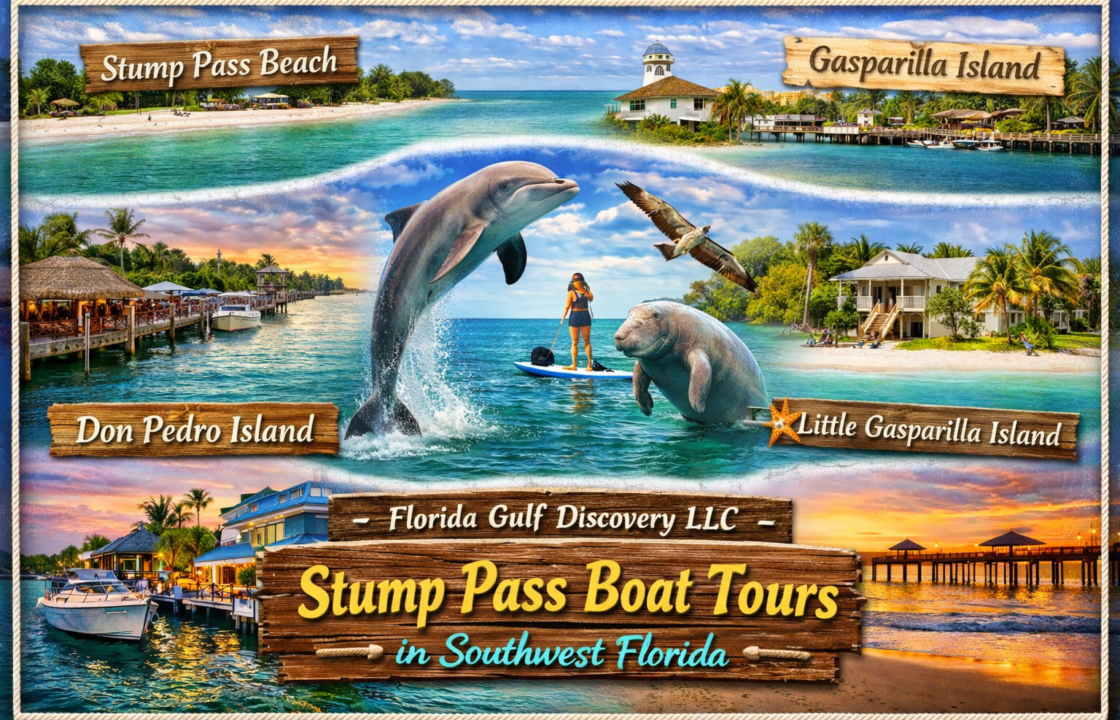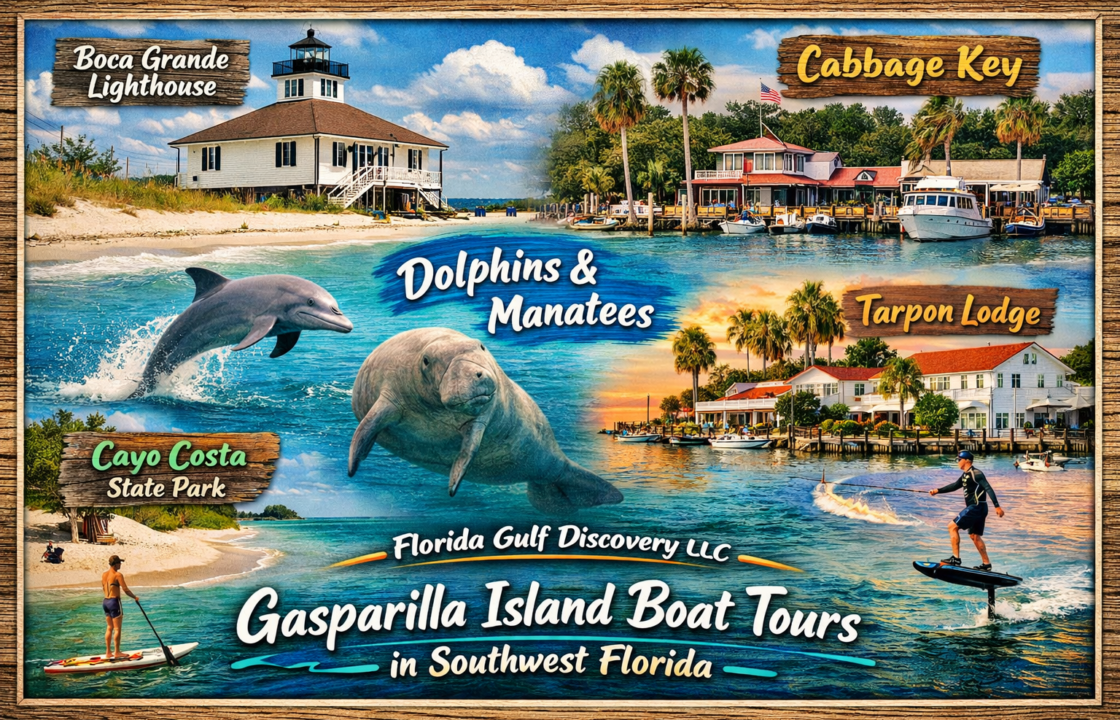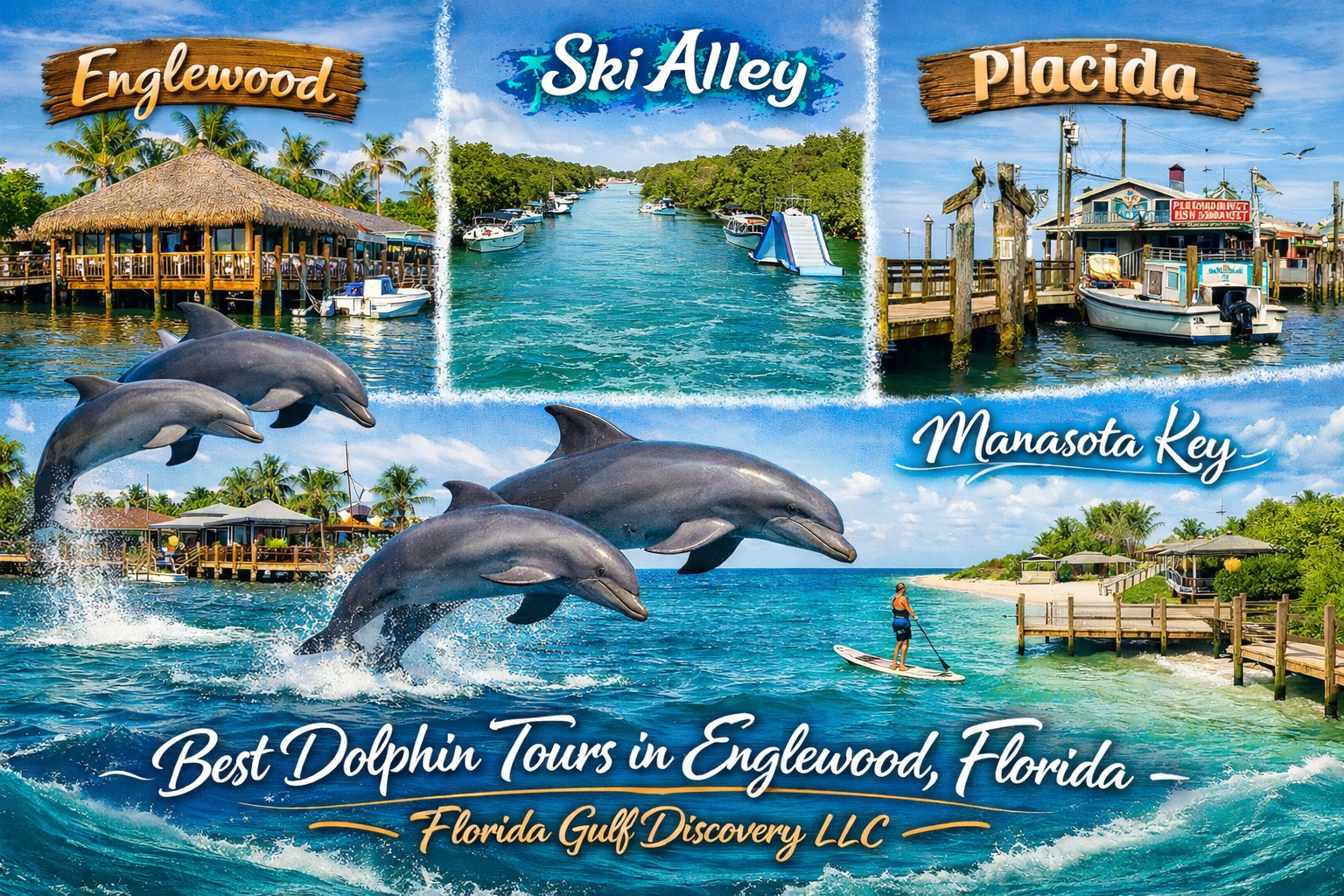
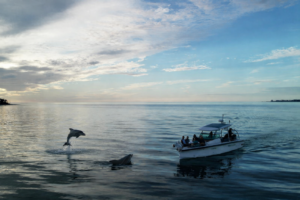
Exploring the waters of Southwest Florida is one of the most unforgettable experiences you can have, and the best dolphin tours in Englewood and Boca Grande, Florida offer a front-row seat to the region’s incredible marine life and coastal beauty. At Florida Gulf Discovery, our guided dolphin tours take guests through the scenic waterways of Lemon Bay, Gasparilla Sound, and the surrounding barrier islands where bottlenose dolphins thrive in their natural habitat
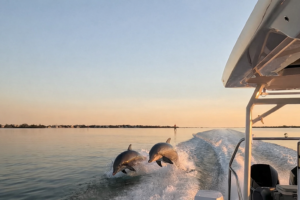
These calm coastal waters provide the perfect setting to observe dolphins swimming, feeding, and playing alongside the boat. It’s common for dolphins to ride the wake or surface just a few feet away, creating an exciting and memorable wildlife encounter for visitors of all ages.
Wildlife You May See on Our Dolphin Tours
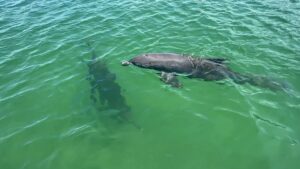
The coastal ecosystem around Englewood and Boca Grande is rich with marine life and coastal birds. During our dolphin tours, guests often encounter a variety of incredible wildlife including:
-
- Bottlenose Dolphins swimming and hunting along the shoreline
- Manatees slowly gliding through warm coastal waters
- Ospreys diving for fish and nesting high above the mangroves
- Pelicans, herons, and egrets along the coastal islands
- Schools of fish and other marine life beneath the surface
Every trip is unique, and our knowledgeable guides help guests learn about the animals, ecosystems, and coastal history that make this region so special.
Scenic Coastal Locations We Explore
Our dolphin tours travel through some of the most beautiful waterways along Florida’s Gulf Coast. The route often includes views of popular destinations and natural landmarks such as:
-
- Lemon Bay
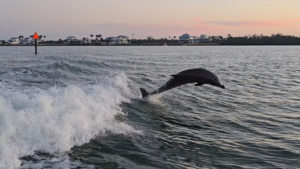
Dolphin riding the wake near Cape Haze at sunset - Gasparilla Sound
- Stump Pass Beach State Park
- Manasota Key
- Placida Harbor
- Gasparilla Island and Boca Grande Pass
- Lemon Bay
These locations are known for their clear waters, mangrove islands, and abundant wildlife. Cruising through these peaceful waterways offers incredible photo opportunities and a chance to see Florida’s natural beauty from a unique perspective.
Waterfront Restaurants and Attractions Seen by Boat

One of the best parts of exploring Englewood and Boca Grande by boat is seeing the vibrant waterfront lifestyle that makes this area so special. Along the way, guests may pass popular local spots including:
-
- Farlow’s on the Water
- The Lighthouse Grill at Stump Pass
- The Pink Elephant in Boca Grande
- Placida Fish Market
- Scenic marinas and waterfront homes along Lemon Bay
These local landmarks highlight the laid-back coastal charm that attracts visitors to this part of Southwest Florida year after year.
Expand Your Adventure with Stand Up Paddleboarding (SUP)
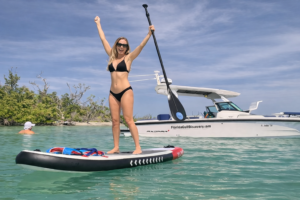
To expand your range of water activities during your visit, many guests also enjoy adding Stand Up Paddleboarding (SUP) to their coastal adventure. Paddleboarding allows you to glide quietly across calm bays and shallow coastal waters while enjoying incredible views of mangrove shorelines and wildlife.
SUP is perfect for beginners and experienced paddlers alike, offering a fun and relaxing way to explore hidden coves, sandbars, and peaceful backwaters that larger boats cannot reach.
Discover the Waters of Englewood, Boca Grande, Placida & Manasota Key
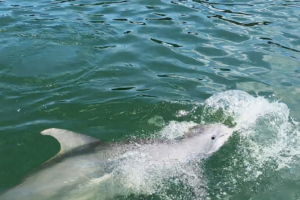
Spending time on the water around Englewood, Boca Grande, Placida, and Manasota Key creates unforgettable coastal experiences. This area of Florida’s Gulf Coast offers endless opportunities for adventure, relaxation, and wildlife discovery.
Visitors can enjoy:
-
- Dolphin watching tours
- Paddleboarding and kayaking
- Island hopping and sandbar stops
- Shelling along quiet Gulf beaches
- Wildlife photography and bird watching
- Sunset cruises and scenic boat rides
From the quiet mangrove islands of Gasparilla Sound to the historic charm of Boca Grande and the peaceful beaches of Manasota Key, every trip on the water reveals something new. Dolphins may swim beside the boat, manatees surface in the calm bays, and osprey nests line the shoreline overhead.
These natural encounters combined with the region’s clear Gulf waters and beautiful barrier islands make Englewood and Boca Grande one of the best places in Florida for dolphin tours and coastal exploration.
Book Your Dolphin Tour with Florida Gulf Discovery
Whether you’re visiting the Gulf Coast for the first time or you’re a local looking for a new adventure, a dolphin tour with Florida Gulf Discovery is one of the best ways to experience the wildlife and beauty of Southwest Florida.
Our tours are perfect for families, couples, photographers, and nature lovers looking to explore the waters around Englewood, Boca Grande, Placida, and Manasota Key.
Come discover why so many visitors say their dolphin encounter was the highlight of their Florida vacation.