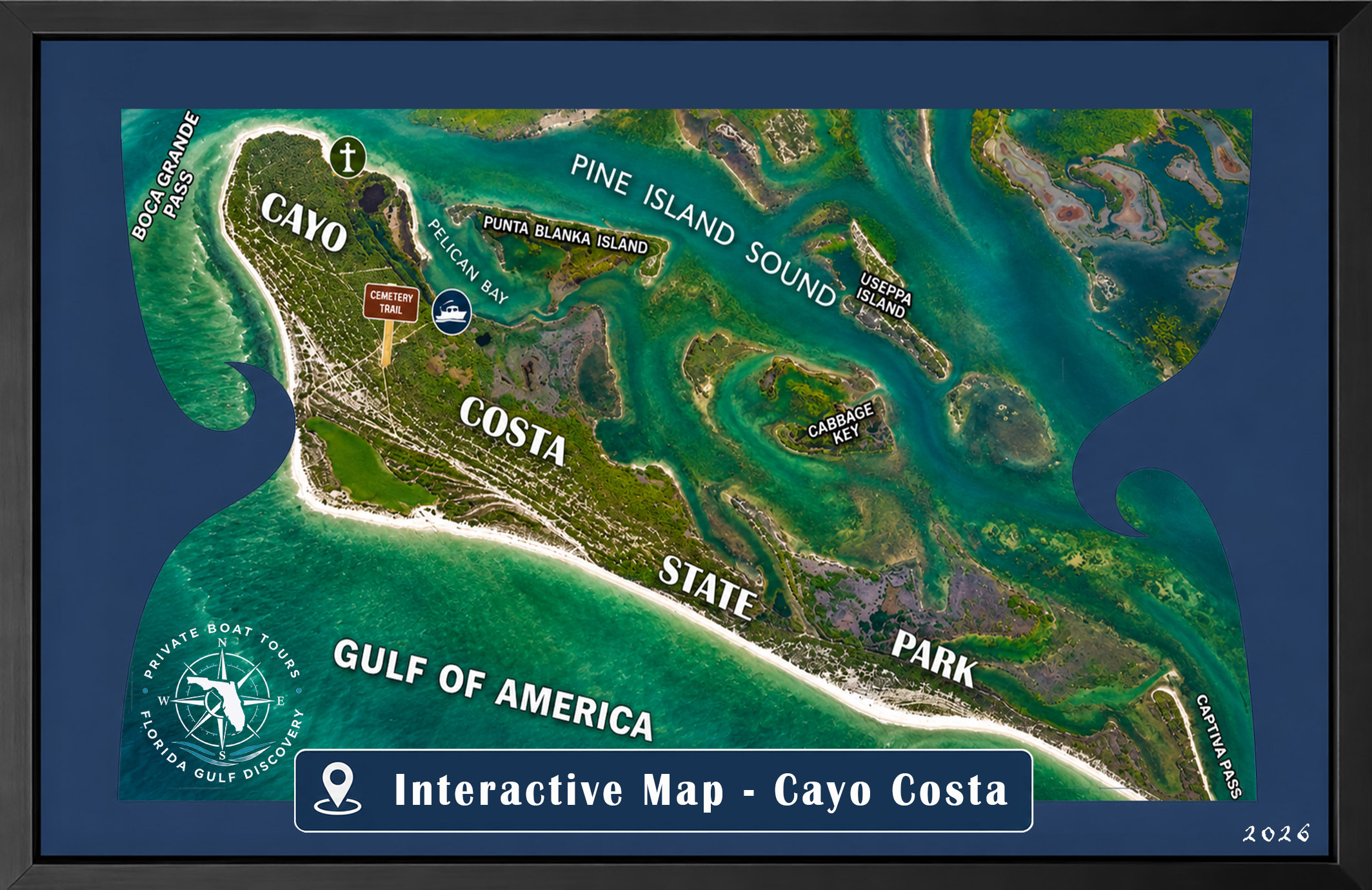
Quick Facts
Before visiting: Check the official Florida State Parks website for current hours, admission fees, ferry information, camping availability, facility conditions, and temporary closures.
1. Cayo Costa State Park
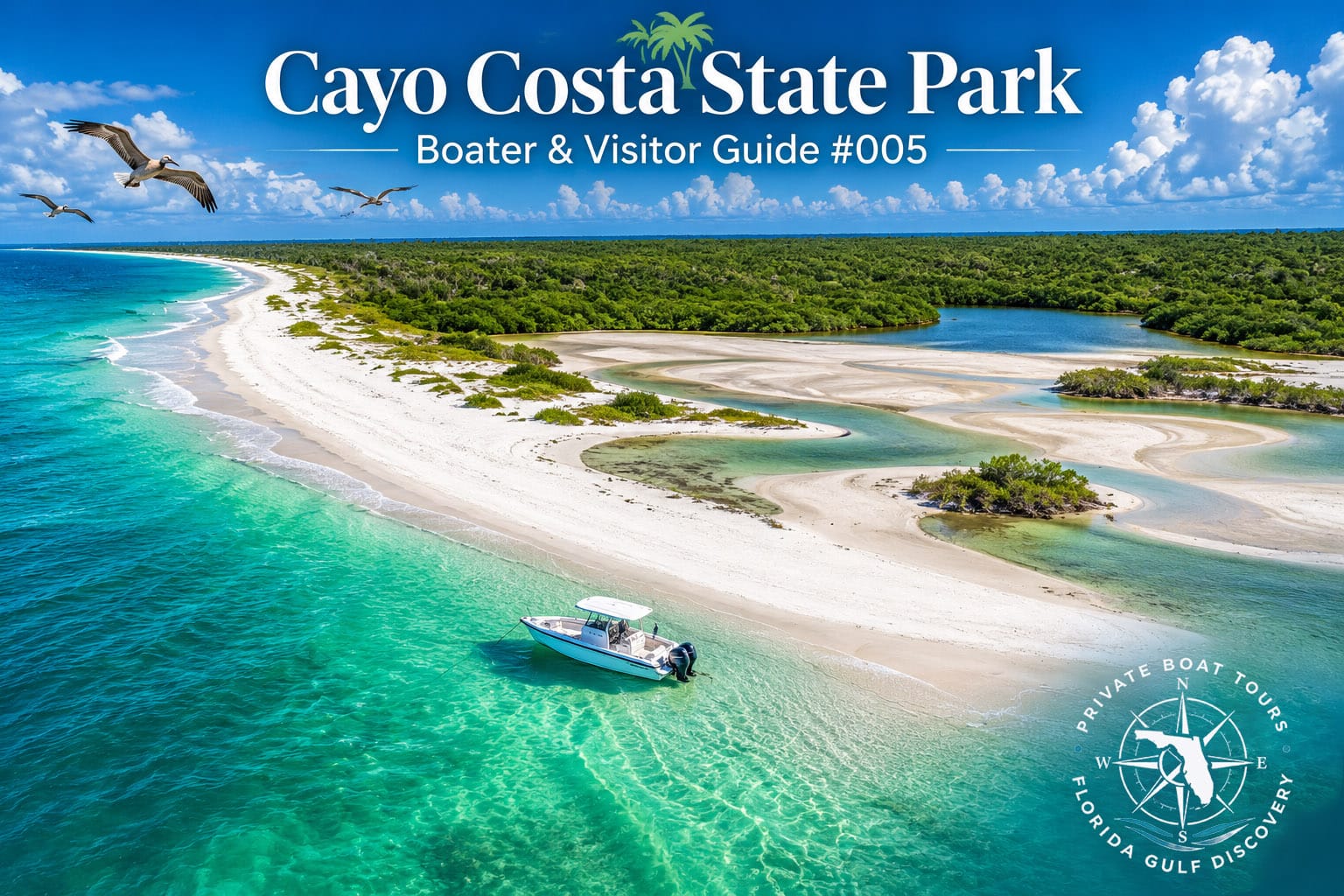
Cayo Costa State Park protects one of the last truly undeveloped barrier islands along Florida's Gulf Coast. Located between Boca Grande and North Captiva Island, the park preserves more than 2,400 acres of beaches, dunes, maritime hammocks, pine flatwoods, mangrove forests, and coastal wetlands within the Charlotte Harbor Estuary. With more than nine miles of natural Gulf shoreline, it is the largest undeveloped barrier island in Southwest Florida and one of Florida's most remarkable coastal preserves.
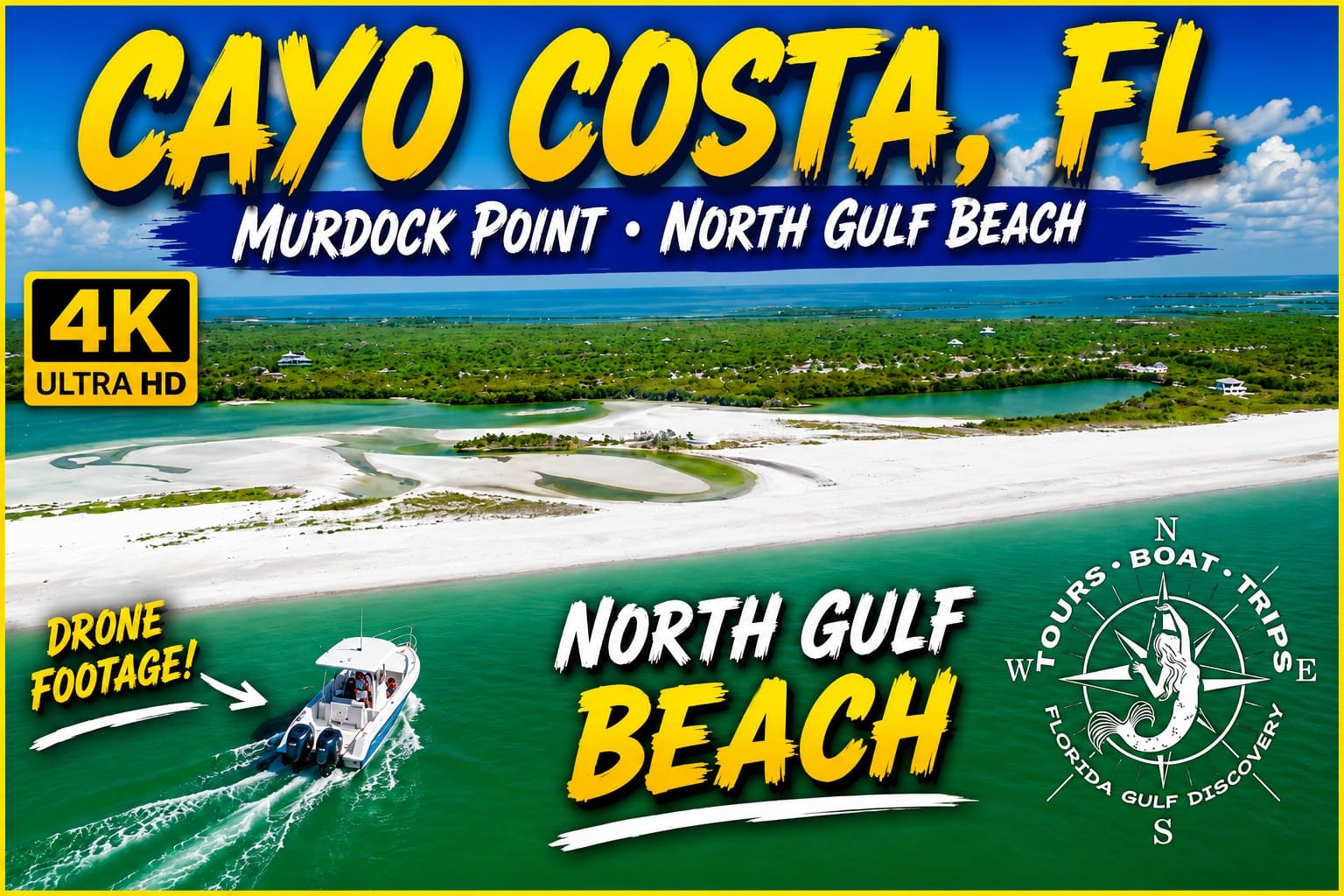
Watch on YouTube: Explore the remote North Gulf Beach of Cayo Costa and Murdock Point with Captain Pavel.
Although nearly all of Cayo Costa is protected as a Florida State Park, a small number of historic private inholdings remain from before the park was established. These privately owned parcels, including a few homes, reflect the island's history of early settlement and fishing families.
Visitors come to walk uncrowded beaches, search for seashells, explore interior trails, photograph wildlife, paddle protected waters, and enjoy the island's quiet natural setting. Wind, tides, waves, and hurricanes continually reshape the beaches, dunes, and shoreline, making every visit slightly different.
Before visiting, review the latest park information, operating hours, visitor notices, and temporary closures on the official Florida State Parks website .
2. Where Cayo Costa Is
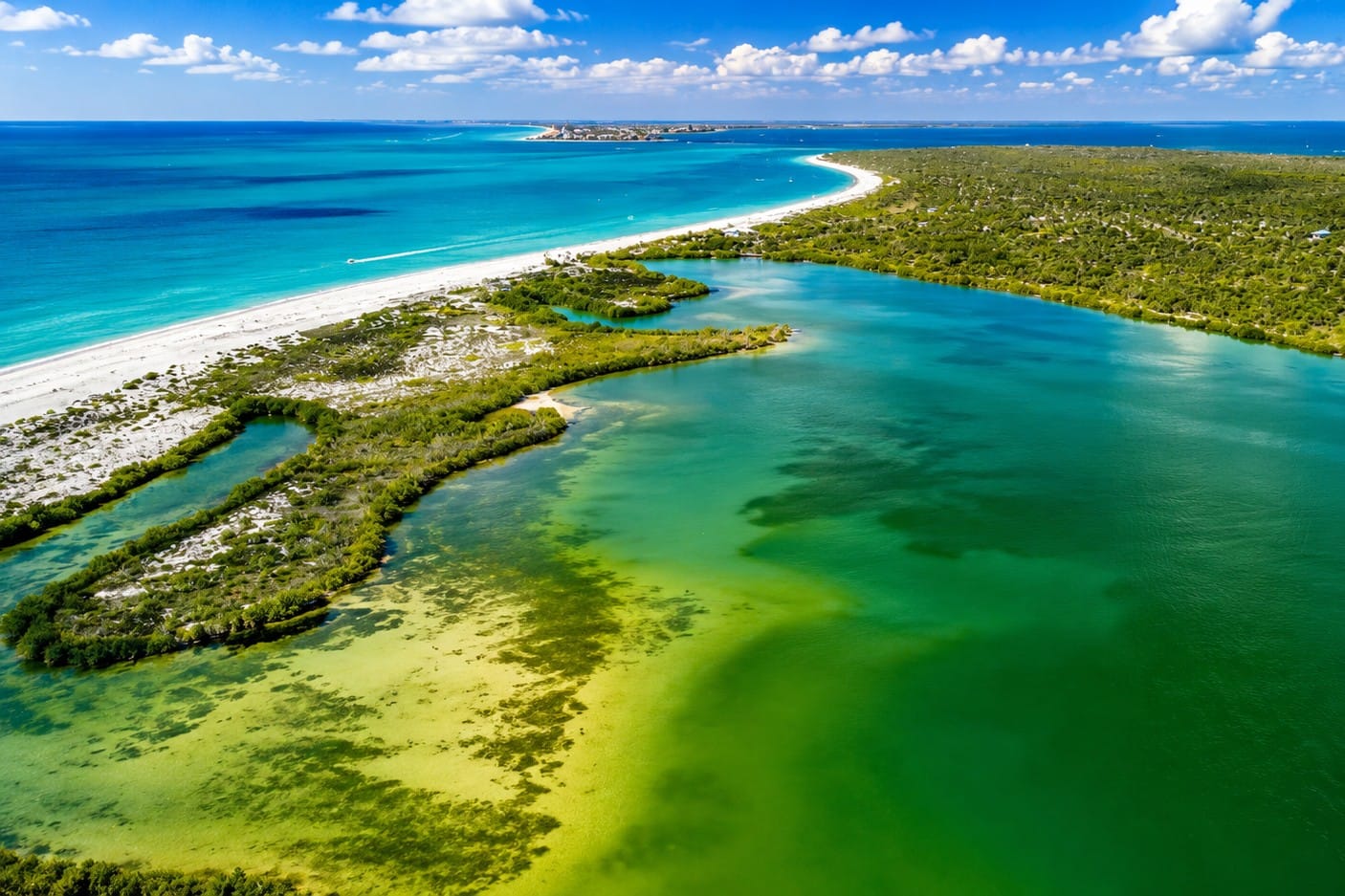
The Gulf side of Cayo Costa State Park.
Cayo Costa is a barrier island located along Florida's Southwest Gulf Coast in Lee County, approximately four nautical miles west of Pine Island. The island lies between Boca Grande to the north and North Captiva Island to the south, forming part of the internationally recognized Charlotte Harbor Estuary—one of Florida's most important coastal ecosystems.
To the west, more than nine miles of natural beach face the Gulf of America. To the east, the protected waters of Pine Island Sound provide outstanding opportunities for boating, kayaking, paddleboarding, wildlife viewing, and fishing. Together, these contrasting environments create one of Southwest Florida's most diverse coastal landscapes.
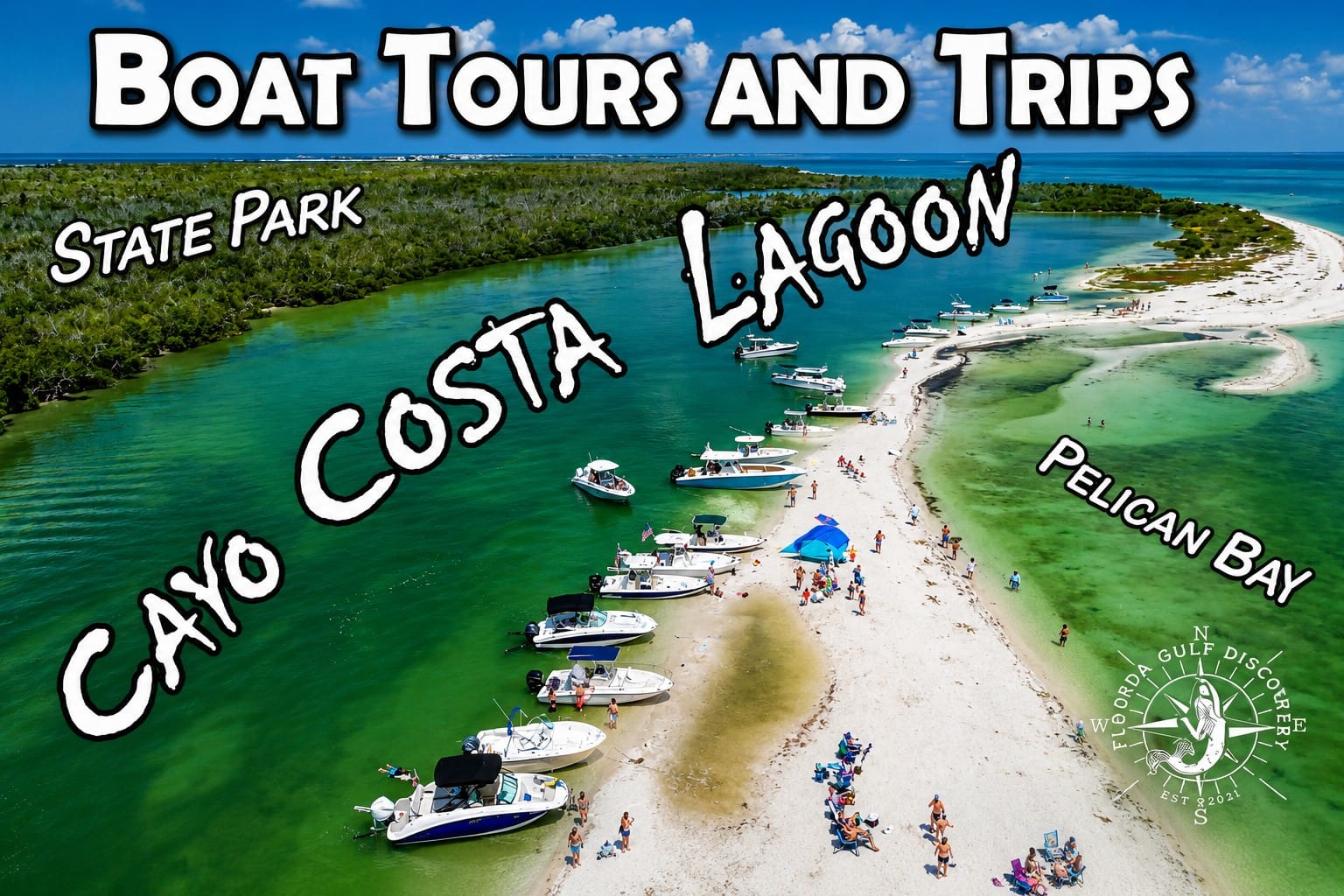
Watch on YouTube: Discover the crystal-clear waters of the Cayo Costa Lagoon with Captain Pavel.
Cayo Costa is surrounded by many of Southwest Florida's best-known boating destinations, including Boca Grande Pass, Gasparilla Sound, Pine Island Sound, Useppa Island, Cabbage Key, North Captiva Island, Captiva Island, and Sanibel Island. Exploring the island by water offers frequent opportunities to see dolphins, manatees, ospreys, pelicans, and other native wildlife along the journey.
3. Captain Pavel's Route
After exploring Southwest Florida's coastal waters for many years, Cayo Costa remains one of my favorite destinations to share with guests. Every trip is different, but the route I most often follow combines protected waterways, abundant wildlife, beautiful scenery, and some of the region's most remarkable boating destinations.
Our journey begins at Eldred's Marina in Placida, one of the closest departure points to Cayo Costa State Park. Within minutes, we enter Gasparilla Sound, where dolphins, manatees, ospreys, pelicans, and other wildlife are frequently seen throughout the year.
Continuing south through Gasparilla Pass, we cruise into the protected waters of Pine Island Sound. Along the way, barrier islands, mangrove shorelines, shallow flats, and open estuaries create constantly changing scenery shaped by tides, weather, and the seasons.
As Cayo Costa comes into view, its long stretch of undeveloped shoreline dominates the horizon. Arriving by boat offers a perspective that cannot be experienced from land, revealing miles of natural beaches backed by dunes, native vegetation, and one of Florida's best-preserved barrier islands.
One of the greatest advantages of a private boat tour is flexibility. Depending on the weather, tides, wildlife activity, and your interests, we can spend more time watching dolphins, searching for shells, exploring quiet beaches, visiting historic sites, photographing wildlife, or simply enjoying the peaceful beauty of Cayo Costa.
Every trip follows nature's schedule rather than a fixed itinerary. That is what makes each visit unique—and why Cayo Costa continues to be one of my favorite places to explore with guests.
4. Beaches
Cayo Costa is home to more than nine miles of natural Gulf shoreline, making it one of the longest undeveloped beaches in Southwest Florida. Unlike many popular beach destinations, there are no hotels, condominiums, seawalls, or commercial development. Wind, tides, waves, and hurricanes continually reshape the coastline, creating new sandbars, shell deposits, and changing beach landscapes throughout the year.
Each section of the island offers a different experience. Some beaches are easily reached by boat, while others require a walk along the shoreline or interior trails. Whether you're searching for shells, photographing wildlife, enjoying a quiet walk, or simply relaxing by the Gulf, Cayo Costa offers some of Florida's most beautiful natural beaches.
South Gulf Beach
South Gulf Beach is one of the most popular destinations for boaters arriving by private vessel. Its wide sandy shoreline, clear Gulf waters, and easy beach access make it an excellent location for swimming, relaxing, shelling, and watching spectacular Southwest Florida sunsets.
Depending on recent weather and tides, fresh shell deposits often appear along the high-tide line, making this area a favorite stop for shell collectors.
North Gulf Beach
North Gulf Beach offers a quieter and more remote experience. Visitors who continue walking north often discover long stretches of nearly empty beach, where the only sounds are waves, seabirds, and the Gulf breeze. This area is ideal for photography, birdwatching, peaceful walks, and enjoying the island's natural beauty away from larger groups.
Padilla Beach
Located near the historic Padilla Cemetery, Padilla Beach combines natural beauty with one of Cayo Costa's most important cultural landmarks. The wide sandy shoreline provides excellent opportunities for shelling, beachcombing, wildlife viewing, and photography while offering visitors a chance to explore an important part of the island's pioneer history.
From my own experience, Padilla Beach is one of my favorite shelling locations on Cayo Costa. After strong northwest winds or passing storms, fresh shell deposits often appear along the shoreline, making every visit a little different.
Cayo Costa Lagoon
Behind portions of the Gulf beach lies Cayo Costa Lagoon, a shallow coastal lagoon separated from the Gulf by dunes and sandy ridges. Over the years, hurricanes and shifting sands have repeatedly changed its size, shape, and connection to surrounding habitats. From the air, the lagoon remains one of Cayo Costa's most distinctive natural features and beautifully illustrates how barrier islands continually evolve.
5. Shelling
Cayo Costa is widely recognized as one of the best shelling destinations in Southwest Florida. Its long, undeveloped Gulf shoreline, combined with changing tides, winds, and storms, creates excellent opportunities to discover a remarkable variety of seashells throughout the year.
No two shelling trips are ever the same. Strong northwest winds, winter cold fronts, tropical storms, and seasonal tides continually reshape the beaches, exposing fresh shell deposits while covering others. Early morning and the high-tide line often provide the best conditions for finding newly washed-up shells.
Common Shells Found on Cayo Costa
- Lightning Whelk
- Florida Horse Conch
- Fighting Conch
- Lettered Olive
- Banded Tulip
- True Tulip
- Scotch Bonnet
- Moon Snail (Shark Eye)
- Augers
- Cockles
- Coquinas
- Sand Dollars (occasionally)
Responsible Shell Collecting
Shelling is one of Cayo Costa's most enjoyable activities, but it should always be done responsibly. Collect only empty shells, and leave any shell occupied by a living animal where you found it. Protecting marine life helps preserve the island's natural ecosystem for future visitors.
Remember that beaches are constantly changing. Even if a favorite shelling spot looks different from your previous visit, new discoveries are often waiting just around the next bend in the shoreline.
For me, shelling has never been about filling a bucket. It's about exploring the shoreline, slowing down, and appreciating how the Gulf continuously reshapes the island. Every tide reveals something different, and sometimes the best discovery isn't the rarest shell—it's simply having an entire beach almost to yourself.
6. Wildlife
Cayo Costa State Park supports one of the richest collections of coastal wildlife in Southwest Florida. Protected beaches, dunes, maritime hammocks, mangrove forests, seagrass beds, and surrounding estuaries provide habitat for dolphins, manatees, sea turtles, shorebirds, birds of prey, and numerous other native species.
Every season offers different wildlife encounters. Dolphins often swim alongside boats, manatees graze in the shallow waters of Pine Island Sound, sea turtles nest on Gulf beaches during summer, and migratory birds use the island as an important resting and feeding area throughout the year.
Marine Life
Bottlenose dolphins are among the most frequently observed marine mammals around Cayo Costa. They are commonly seen traveling through Gasparilla Pass, Pine Island Sound, and the Gulf waters surrounding the island, often riding the bow wave of passing boats.
West Indian manatees regularly visit the protected waters east of the island where healthy seagrass beds provide an important food source. During warmer months they are often seen slowly cruising through shallow channels and quiet bays.
Several species of sea turtles, including loggerhead, green, hawksbill, and Kemp's ridley turtles, use Cayo Costa's beaches for nesting. Between May and October, marked nesting areas should always be respected to protect eggs and hatchlings.
Birds
Birdwatchers can observe an impressive variety of coastal birds throughout the island. Ospreys, bald eagles, brown pelicans, magnificent frigatebirds, great blue herons, snowy egrets, white ibises, roseate spoonbills, and American oystercatchers are regularly seen along the beaches, mangroves, and interior habitats.
During migration seasons, many additional shorebirds and wading birds stop on Cayo Costa while traveling along the Atlantic Flyway, making the island an excellent destination for bird photography and wildlife observation.
Land Animals
Although most visitors focus on the surrounding waters, Cayo Costa's interior supports a surprising variety of land animals. Gopher tortoises, raccoons, armadillos, marsh rabbits, snakes, and numerous lizard species are commonly encountered along trails and wooded areas. White-tailed deer may occasionally be seen, while bobcats remain elusive residents of the island's interior.
Protecting Wildlife
Wildlife is one of Cayo Costa's greatest treasures. Visitors can help protect the island by observing animals from a respectful distance, never feeding wildlife, remaining outside protected nesting areas, and avoiding disturbance to resting birds, sea turtles, and manatees.
Every trip to Cayo Costa is different because the wildlife is always changing. Some days dolphins seem to accompany us for miles. Other days it's a curious manatee, an osprey diving for fish, or hundreds of shorebirds feeding along the beach. Those unexpected encounters are what make every journey memorable.
7. Natural Environment
Cayo Costa State Park protects one of Florida's most intact barrier island ecosystems. More than 2,400 acres of beaches, dunes, maritime hammocks, pine flatwoods, mangrove forests, wetlands, and seagrass habitats continue to evolve under the influence of wind, tides, waves, and hurricanes rather than large-scale coastal development.
Every part of the island plays an important role within the Charlotte Harbor Estuary. Together, these natural habitats support an extraordinary diversity of plants and wildlife while helping protect Southwest Florida's mainland coastline from storms and erosion.
Barrier Island
Cayo Costa forms part of a chain of barrier islands that separates the Gulf of America from the protected waters of Pine Island Sound and Charlotte Harbor. These islands absorb wave energy, reduce coastal erosion, and create sheltered estuaries that support seagrass beds, mangrove forests, and productive marine ecosystems.
Beaches and Dunes
More than nine miles of natural beaches extend along the island's Gulf shoreline. Behind the beaches, dunes covered with sea oats and native vegetation provide an important first line of defense against storm surge and coastal erosion while creating habitat for birds, insects, and other wildlife.
Maritime Hammocks
Inland from the dunes, shaded maritime hammocks contain cabbage palms, live oaks, gumbo limbo, sea grapes, and other native trees that have adapted to the island's salty environment. These forests provide shelter for birds, raccoons, gopher tortoises, and numerous other species.
Mangroves and Seagrass
The eastern shoreline is lined with mangrove forests that stabilize the coastline and create valuable nursery habitat for fish, shrimp, crabs, and many other marine organisms. Offshore seagrass beds provide food for manatees while supporting countless juvenile fish and invertebrates that form the foundation of the estuary's food web.
A Landscape That Never Stops Changing
Cayo Costa is constantly changing. Daily tides reshape the shoreline, seasonal weather alters beaches and sandbars, and hurricanes can transform entire sections of the island within hours. New dunes form, channels shift, vegetation recovers, and wildlife quickly adapts to these natural changes, making every visit a unique experience.
One of the reasons I enjoy returning to Cayo Costa is that the island never looks exactly the same twice. Every season reveals new beaches, different shell deposits, changing sandbars, and fresh opportunities to discover wildlife. Watching nature continually reshape the island is part of what makes every trip memorable.
8. Hurricanes
Hurricanes have shaped Cayo Costa for thousands of years. Long before the island became a protected state park, powerful storms continually reshaped its beaches, dunes, forests, lagoons, and shorelines. Wind, waves, storm surge, and tidal currents remain the dominant natural forces responsible for the island's ever-changing landscape.
Unlike developed coastlines protected by seawalls and buildings, Cayo Costa is largely free to respond naturally to hurricanes. Beaches migrate, dunes rebuild, channels shift, vegetation gradually recovers, and wildlife returns as the island adapts to each storm. These natural changes are essential to the long-term health of Florida's barrier islands.
Major Hurricanes That Have Shaped Cayo Costa
| Hurricane | Year | Category | Maximum Winds | Landfall | Impact on Cayo Costa |
|---|---|---|---|---|---|
| Great Gale | 1848 | Estimated Category 4 | 130–156 mph | Southwest Florida | Reshaped barrier islands and permanently altered portions of the Southwest Florida coastline. |
| Great Tampa Bay Hurricane | 1921 | Category 3 | 120 mph | Tampa Bay Area | Produced severe coastal flooding, beach erosion, and major shoreline changes throughout the region. |
| Hurricane Donna | 1960 | Category 4 | 145 mph | Near Naples | Caused extensive erosion, forest damage, and significant changes to Cayo Costa's beaches and dunes. |
| Hurricane Charley | 2004 | Category 4 | 150 mph | Near Cayo Costa | Created widespread wind damage, storm surge, and major beach erosion across the island. |
| Hurricane Ian | 2022 | Category 4 | 150 mph | Cayo Costa | One of the most destructive hurricanes in the island's recorded history, dramatically reshaping beaches, dunes, vegetation, and park facilities. |
| Hurricane Helene | 2024 | Category 4 | 140 mph | Florida Big Bend | Generated elevated Gulf water levels, strong surf, and additional shoreline erosion along Cayo Costa. |
| Hurricane Milton | 2024 | Category 3 | 120 mph | Siesta Key | Produced another period of erosion, shifting sandbars, damaged vegetation, and further changes to the island's coastline. |
Nature's Ongoing Restoration
Although hurricanes can dramatically change Cayo Costa within a matter of hours, the island begins recovering almost immediately. Waves redistribute sand, sea oats stabilize newly formed dunes, mangroves regenerate, and wildlife gradually returns as habitats recover. These natural cycles have shaped the island for thousands of years and continue to define its landscape today.
I've witnessed how hurricanes can completely transform Southwest Florida's barrier islands. Every major storm leaves its mark, creating new beaches, moving sandbars, opening channels, and changing familiar landscapes. Returning after each storm reminds me that Cayo Costa is never a finished island—it's a living coastline that continues to evolve with every season.
9. History
Cayo Costa's history extends back thousands of years, long before it became a Florida State Park. Native American communities, Spanish explorers, Cuban fishermen, pioneer families, and commercial fishermen all depended on the island's rich coastal waters. Today, its beaches, historic cemeteries, and preserved natural landscapes provide a remarkable connection to Southwest Florida's maritime heritage.
Unlike many barrier islands that were transformed by large-scale development, Cayo Costa has retained much of its historic character. The island remains one of the few places where visitors can experience both the natural beauty and cultural history of Florida's Gulf Coast in nearly the same setting that earlier generations knew.
Historical Timeline
| Period | People or Event | Historical Significance |
|---|---|---|
| Prehistory | Indigenous Peoples | Native communities used the island for fishing, shellfish gathering, transportation, and seasonal camps for thousands of years. |
| 1500s | Spanish Exploration | Spanish explorers charted Florida's Gulf Coast and navigated the waters surrounding Charlotte Harbor and Cayo Costa. |
| 1700s–1800s | Cuban Fishing Ranchos | Seasonal fishing camps harvested, salted, and exported fish throughout Southwest Florida. |
| 1800s | Pioneer Families | Families settled on the island, living by fishing, gardening, livestock, and transportation by boat. |
| Late 1800s–1900s | Commercial Fishing | Cayo Costa became part of one of Florida's most productive commercial fishing regions. |
| 1976 | Cayo Costa State Park | The State of Florida established the park to preserve the island's natural ecosystems and historic resources. |
The First People
Long before European explorers reached Florida, the ancestors of the Calusa people lived throughout the Charlotte Harbor region. They traveled the surrounding estuaries by canoe, harvested fish and shellfish, and depended on the rich coastal environment for food, transportation, and trade. Cayo Costa formed part of this extensive network of islands that supported one of North America's most sophisticated maritime cultures.
Spanish Exploration
Spanish explorers arrived along Florida's Gulf Coast during the early sixteenth century. Although no permanent Spanish settlement was established on Cayo Costa, the island became an important landmark for vessels navigating between the Gulf of America, Boca Grande Pass, and Charlotte Harbor.
Cuban Fishing Ranchos
Beginning in the eighteenth century, Cuban fishermen established seasonal fishing ranchos throughout Southwest Florida. Salted fish harvested from nearby waters were shipped to Havana and other Caribbean markets. The protected waters surrounding Cayo Costa provided excellent fishing grounds, sheltered anchorages, and convenient access to Charlotte Harbor.
Pioneer Families
During the nineteenth century, several pioneer families settled permanently on Cayo Costa. Among the best known were the Padilla, Pendarvis, and Pitts families, who relied on fishing, small gardens, livestock, and boats for their daily lives. The island's historic cemeteries preserve the memory of these early residents and offer visitors a unique glimpse into Florida's pioneer history.
Commercial Fishing
By the late nineteenth and early twentieth centuries, commercial fishing had become the island's primary industry. Fishermen harvested mullet, oysters, shrimp, and many other species from Charlotte Harbor, Pine Island Sound, and nearby Gulf waters, supporting coastal communities throughout Southwest Florida.
From Island Community to State Park
While many barrier islands experienced rapid residential and commercial development during the twentieth century, Cayo Costa followed a different path. Recognizing the island's ecological and historical importance, the State of Florida gradually acquired much of the land and officially established Cayo Costa State Park in 1976.
Cayo Costa Today
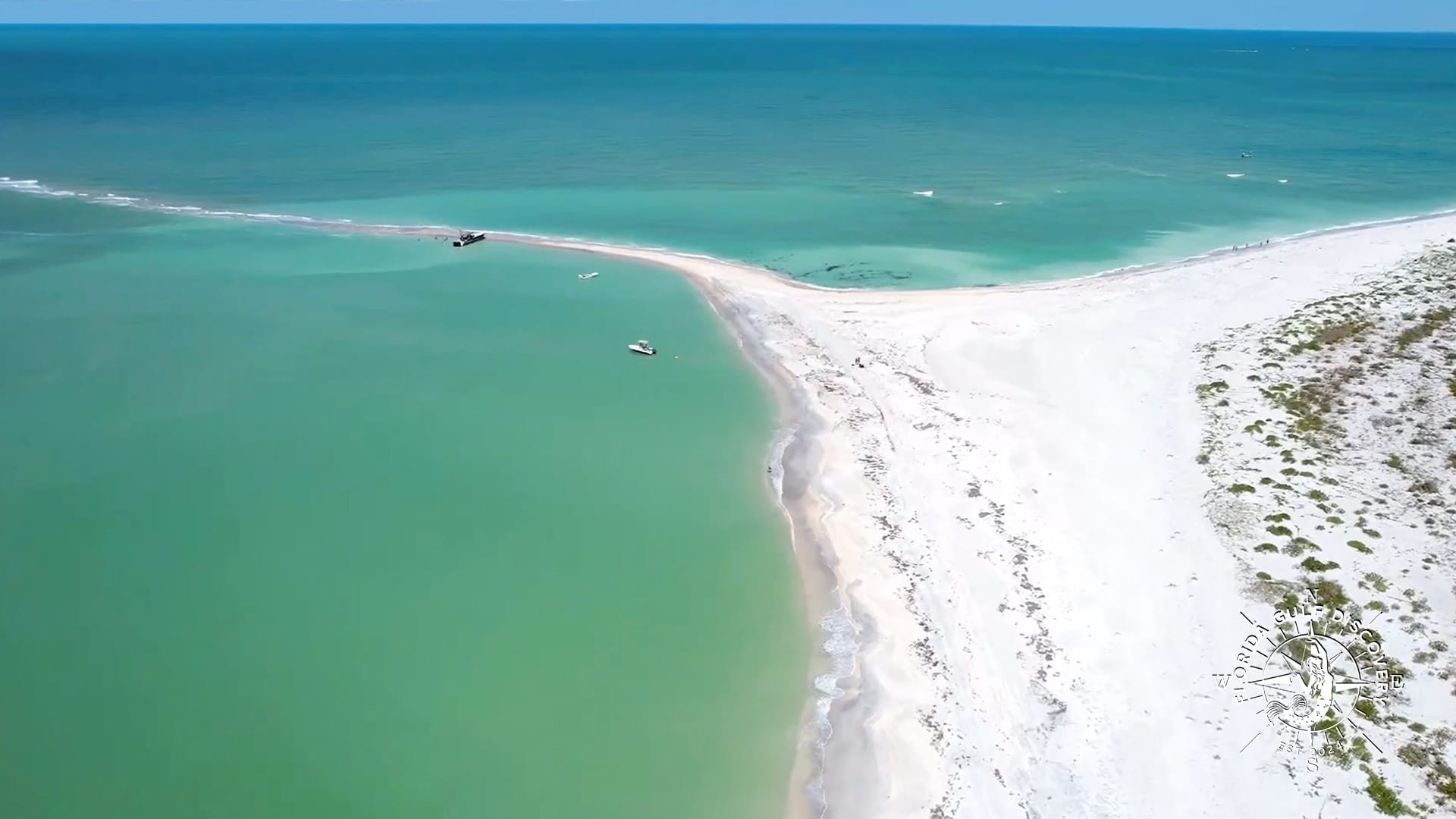
Murdock Point marks the northern entrance to Cayo Costa State Park, one of Florida's largest undeveloped barrier islands.
Today, Cayo Costa remains one of Florida's best-preserved barrier islands. Visitors can walk natural beaches, explore interior trails, discover historic cemeteries, observe wildlife, and experience a landscape that has changed remarkably little compared with much of Florida's developed Gulf Coast.
Every time I visit Cayo Costa, I'm reminded that its history is still visible. The pioneer cemeteries, quiet beaches, and undeveloped forests tell the story of generations who depended on these waters long before modern tourism arrived. Exploring the island isn't just a chance to enjoy nature— it's also an opportunity to experience a living piece of Southwest Florida's coastal heritage.
10. Pioneer Cemetery
Hidden beneath the shade of cabbage palms and native hardwoods, the Pioneer Cemetery preserves one of the most important reminders of Cayo Costa's early island community. Although small and easily overlooked, this peaceful cemetery tells the story of the families who lived, worked, and raised children on the island long before it became a Florida State Park.
Reaching the cemetery requires a short walk from the beach through the island's natural interior. Along the trail, visitors pass maritime forests, palms, and native vegetation before arriving at a quiet clearing where the island's history comes to life.
The Pendarvis Family Cemetery
The cemetery is often referred to as the Pendarvis Cemetery because many of the graves belong to members of the Pendarvis family, one of Cayo Costa's best-known pioneer families. Along with neighboring families such as the Padillas and Pitts, they depended on fishing, small gardens, livestock, and boats for transportation and survival.
Life on an Isolated Barrier Island
During the nineteenth and early twentieth centuries, daily life on Cayo Costa required determination and self-reliance. There were no bridges, roads, electricity, or modern conveniences. Supplies arrived by boat, and residents relied heavily on the surrounding waters for food, trade, and transportation. The cemetery stands as a reminder of those who built lives on one of Southwest Florida's most remote barrier islands.
A Place of Respect
Today, the Pioneer Cemetery is protected as an important historic site within Cayo Costa State Park. Visitors are welcome to explore the area, but should treat the cemetery with care and respect by remaining on designated paths, avoiding disturbance of gravesites, and leaving the site exactly as they found it.
Every visit to the Pioneer Cemetery reminds me that Cayo Costa was once more than a beautiful destination—it was home. Standing among these historic graves, surrounded by quiet forests and the sounds of nature, offers a rare opportunity to reflect on the resilience of the families who built their lives on this isolated island. It's one of the most meaningful stops I make whenever I bring guests to Cayo Costa.
11. Padilla Cemetery
Located near the southern end of Cayo Costa, the Padilla Cemetery preserves the history of one of the island's earliest pioneer families. Hidden among native vegetation just a short walk from the Gulf beach, this small historic cemetery offers visitors a quiet reminder of the people who once called this remote barrier island home.
Unlike larger mainland cemeteries, the Padilla Cemetery reflects the simplicity of island life. The surrounding landscape remains largely unchanged, allowing visitors to experience the same peaceful setting that existed more than a century ago.
The Padilla Family
The Padilla family was among the earliest permanent residents of Cayo Costa. Like many pioneer families of Southwest Florida, they depended on fishing, small gardens, livestock, and boats for transportation. Daily life revolved around the surrounding waters, where fishing and travel connected isolated island communities with nearby settlements along Charlotte Harbor and Pine Island Sound.
A Window into Island History
The cemetery provides an important connection to Cayo Costa's pioneer era. Each gravesite represents a family that lived in relative isolation, adapting to storms, limited resources, and the challenges of life on an undeveloped barrier island. Together with the nearby Pioneer Cemetery, the site helps preserve the human history of Cayo Costa beyond its beaches and wildlife.
Visiting the Cemetery
Visitors can reach the Padilla Cemetery by following marked trails through the island's interior. Because it is both a historic and cultural resource, guests are encouraged to treat the cemetery with respect by remaining on designated paths, avoiding disturbance of gravesites, and leaving the area exactly as they found it.
Many visitors combine a stop at the cemetery with nearby Padilla Beach, where history and natural beauty come together. The surrounding shoreline offers excellent opportunities for shelling, wildlife viewing, photography, and quiet reflection.
Every time I visit the Padilla Cemetery, I'm reminded that Cayo Costa is far more than a beautiful beach destination. Hidden among the palms is the story of families who built their lives on this island long before roads, bridges, or modern conveniences existed. It's one of those places where Southwest Florida's history feels remarkably close, and I always encourage guests to take a few quiet moments to appreciate its significance.
12. Quarantine Rocks
Quarantine Rocks is one of the least-known historical landmarks in the waters surrounding Cayo Costa. Located just offshore in Pine Island Sound, this shallow area marks the site where ships once anchored while awaiting permission to enter Charlotte Harbor. Although little remains visible today, the location represents an important chapter in Southwest Florida's maritime history.
During the nineteenth and early twentieth centuries, vessels arriving from foreign ports occasionally faced quarantine inspections before passengers, crews, livestock, or cargo could continue to nearby communities. Isolated anchorages such as Quarantine Rocks helped reduce the spread of contagious diseases before modern public health systems existed.
Why Ships Were Quarantined
Maritime quarantine was a common practice throughout the world. Diseases such as yellow fever, cholera, and smallpox could spread rapidly aboard ships and threaten growing coastal settlements. By requiring arriving vessels to remain offshore for inspection or observation, authorities reduced the risk of introducing serious illnesses into Southwest Florida's ports.
A Strategic Anchorage
The protected waters of Pine Island Sound provided a safe anchorage for waiting vessels. Positioned near the entrance to Charlotte Harbor, the area offered convenient access to Boca Grande Pass while remaining separated from populated waterfront communities. From here, ships could receive clearance before continuing their voyage.
Quarantine Rocks Today
Today, Quarantine Rocks is primarily known to experienced local boaters, historians, and guides familiar with the area's past. The surrounding waters are now valued for boating, fishing, wildlife viewing, and their connection to the region's rich maritime heritage. Most visitors pass nearby without realizing the historical significance beneath the surface.
Every time I pass Quarantine Rocks, I think about the ships that once waited here before entering Charlotte Harbor. Today the area is peaceful, with dolphins, seabirds, and calm waters replacing the uncertainty that sailors once experienced. It's one of those hidden places where knowing the history completely changes the way you see the landscape.
13. Camping & Cabins
Spending the night on Cayo Costa offers a completely different experience from a day trip. After the last boats depart, the island becomes remarkably quiet, with only the sounds of waves, wind, and wildlife. Visitors can camp near the beach or stay in one of the park's rustic cabins, making Cayo Costa one of the few places in Southwest Florida where an overnight stay is still possible on a largely undeveloped barrier island.
Because there is no bridge connecting Cayo Costa to the mainland, all camping equipment and personal supplies must be brought to the island by private boat or ferry. Careful planning is essential, as stores, restaurants, fuel, and other services are not available within the park.
Camping
Cayo Costa State Park offers primitive campsites located a short walk from the Gulf beach. Campers enjoy easy access to hiking trails, shelling, fishing, wildlife viewing, and spectacular sunsets. Modern conveniences are intentionally limited, allowing visitors to experience the island in a more natural setting.
Rustic Cabins
For visitors seeking additional comfort, the park also offers rustic cabins surrounded by native vegetation. The cabins provide a unique opportunity to stay overnight while remaining immersed in Cayo Costa's natural environment. Availability is limited, and reservations often fill well in advance, particularly during the winter season.
Plan Ahead
Visitors planning an overnight stay should prepare carefully. Drinking water, food, insect repellent, sun protection, flashlights, weather information, and other essential supplies should be packed before arriving. Conditions can change quickly, especially during summer thunderstorms and hurricane season.
Before making travel plans, check the official Florida State Parks website for the latest information on ferry service, campground availability, cabin reservations, seasonal closures, and current park conditions.
Although most of my guests visit Cayo Costa for a day on the water, staying overnight offers an entirely different perspective. Watching the sunset, hearing the surf after dark, and waking up before the first boats arrive allows you to experience the island at its quietest. It's one of the most peaceful places in Southwest Florida.
“Explore slowly. Nature isn’t in a hurry.”
— Captain Pavel