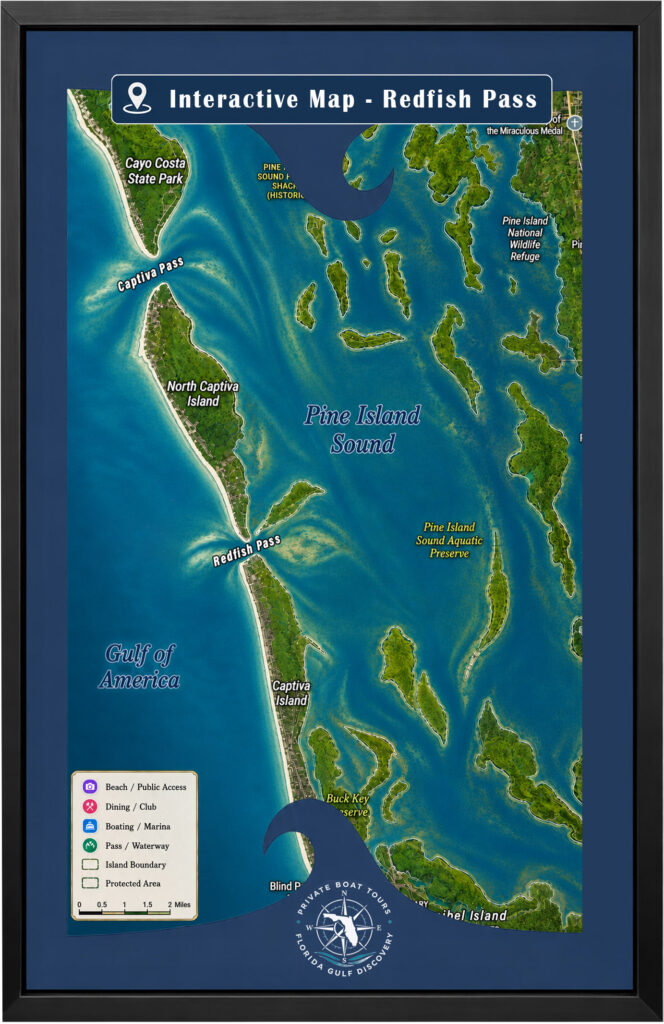
1. Quick Facts
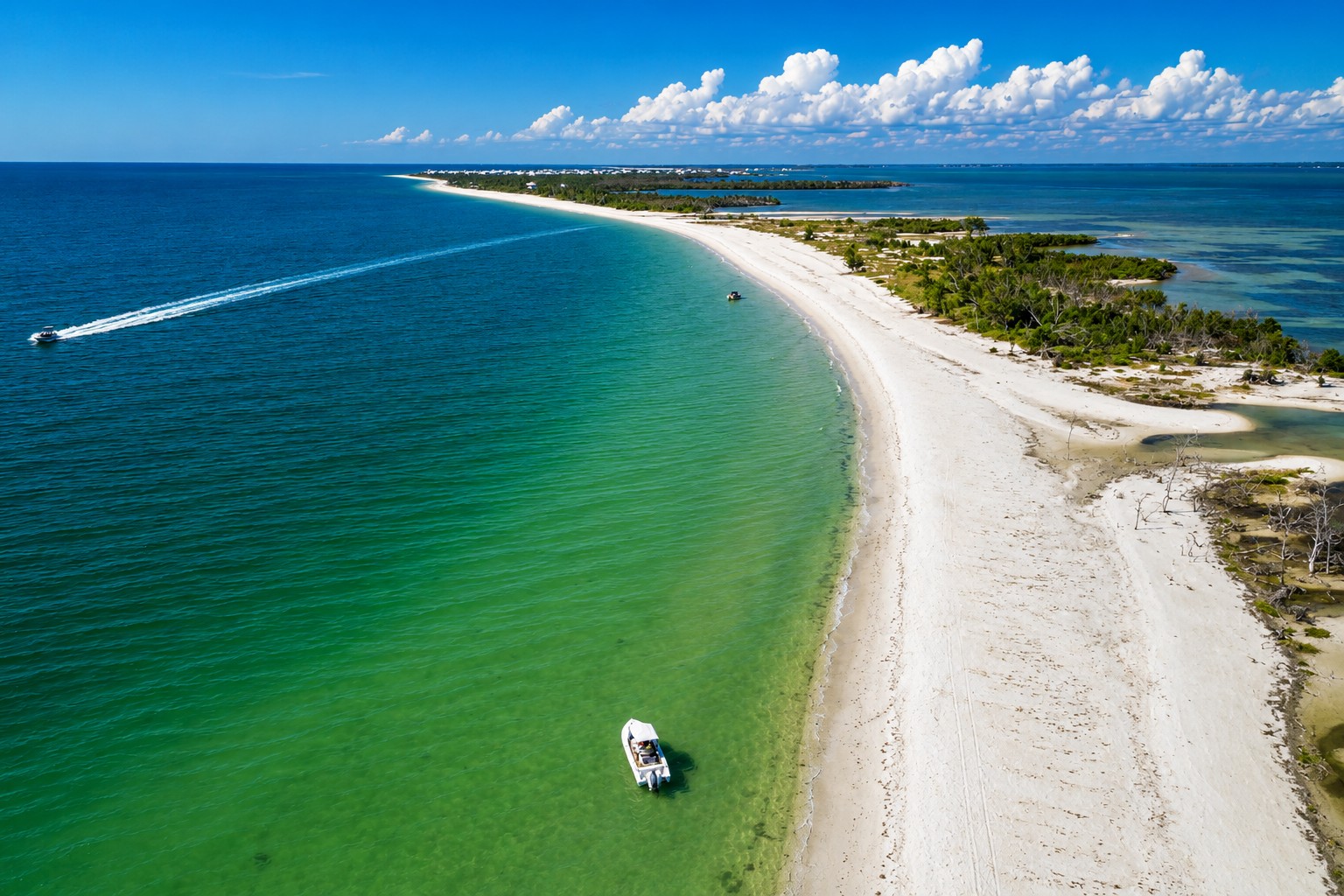
Watch on YouTube: Fly above the spectacular Gulf Beach of North Captiva Island with Captain Pavel.
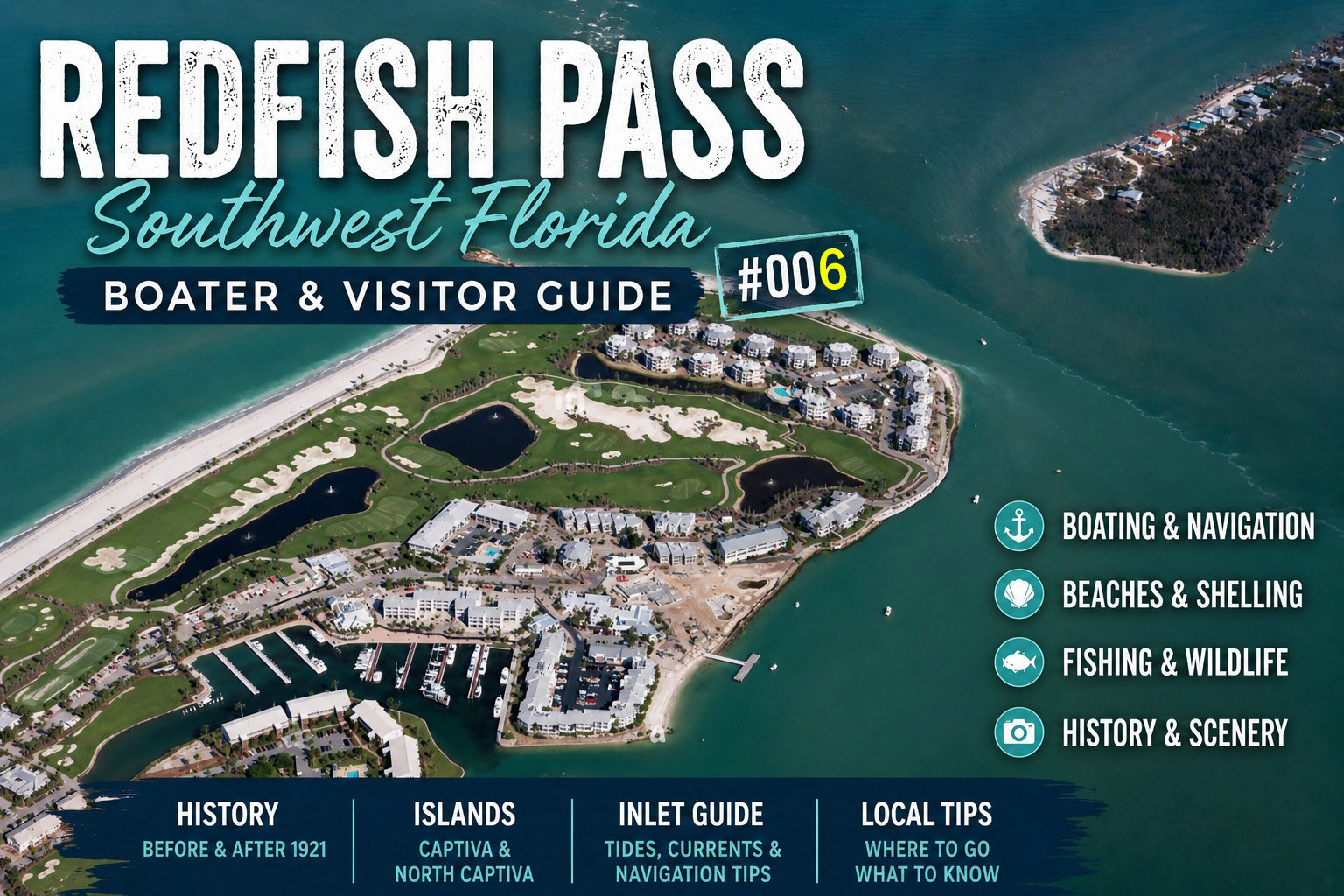
Redfish Pass is one of Southwest Florida's most dynamic coastal waterways, separating Captiva Island from North Captiva Island while connecting the Gulf of Mexico with Pine Island Sound. Created by the powerful hurricane of 1921, the pass continues to evolve as tides, currents, storms, and shifting sands reshape its shoreline. Today, it is renowned for its boating, shelling, abundant wildlife, scenic beaches, and access to some of the region's most beautiful barrier islands. It serves as an important navigation route for recreational boaters and a gateway to unforgettable experiences on Florida's Gulf Coast.
| Feature | Information |
|---|---|
| Location | Between Captiva Island and North Captiva Island, Lee County, Southwest Florida |
| Type | Natural tidal pass (inlet) |
| Connects | Gulf of Mexico and Pine Island Sound |
| Formed | During the 1921 hurricane |
| Managed By | Lee County, State of Florida, and the U.S. Army Corps of Engineers (coastal projects) |
| Known For | Boating, shelling, fishing, wildlife, beaches, and spectacular sunsets |
| Popular Wildlife | Dolphins, manatees, sea turtles, ospreys, pelicans, herons, egrets, roseate spoonbills, and many fish species |
| Best Activities | Boating, shelling, beach walking, wildlife watching, kayaking, paddleboarding, fishing, and photography |
| Nearby Destinations | Captiva Island, North Captiva Island, Pine Island Sound, Cayo Costa State Park, Blind Pass, and Sanibel Island |
| Best Time to Visit | November through April for cooler weather; May through September for warmer water and fewer visitors |
2. Where Redfish Pass Is
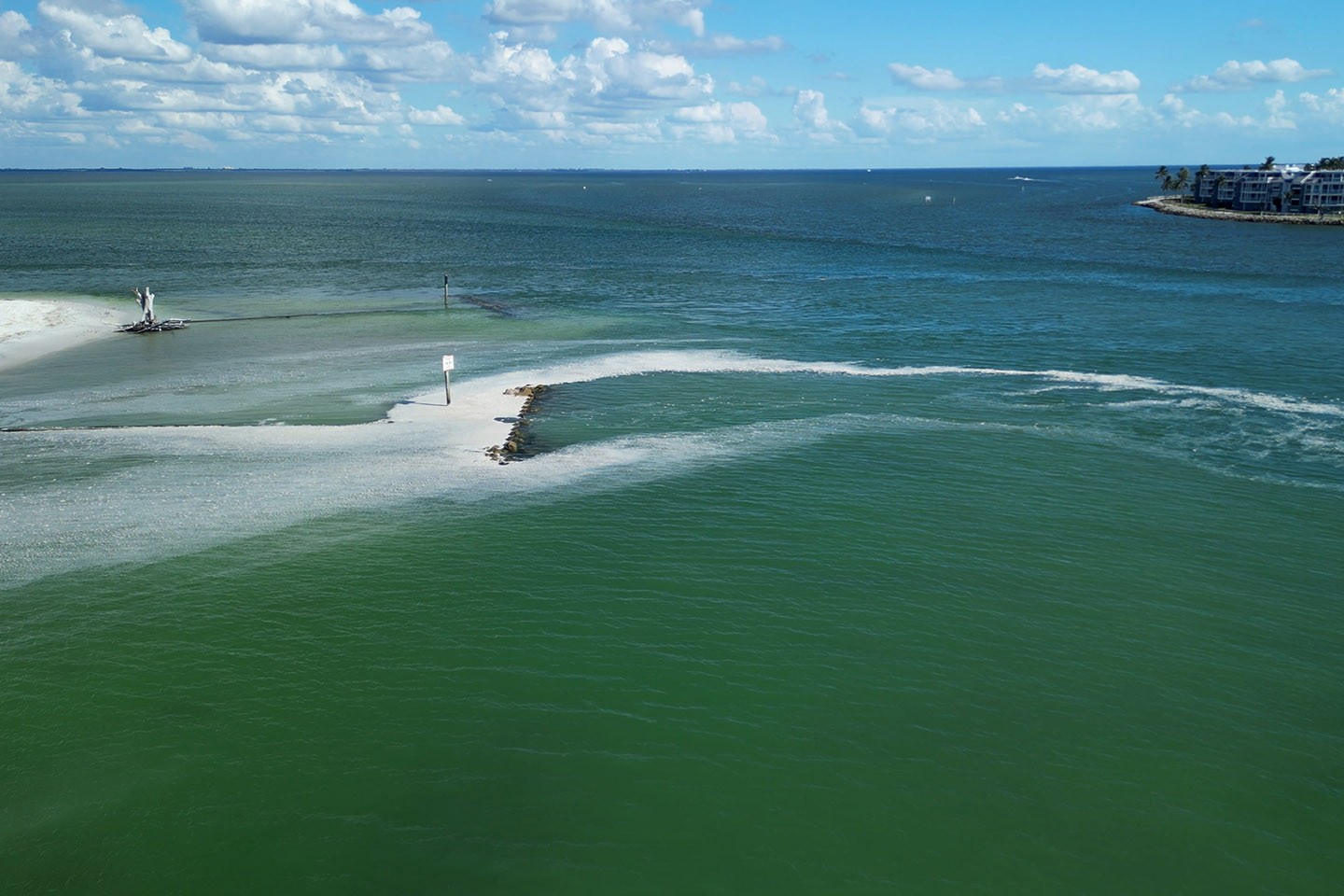
Watch on YouTube: Fly above Redfish Pass and the southern shoreline of North Captiva Island with Captain Pavel.
Redfish Pass is a natural tidal inlet located on the Gulf Coast of Southwest Florida in Lee County. It separates Captiva Island to the south from North Captiva Island to the north while connecting the Gulf of Mexico (Gulf of America) with Pine Island Sound, one of Florida's largest and most ecologically important estuaries.
The pass lies approximately 30 miles west of Fort Myers and serves as one of the primary natural waterways between the Gulf and the protected inland waters of Pine Island Sound. Its location makes it a popular route for recreational boaters traveling between Captiva, North Captiva, Cayo Costa State Park, Boca Grande, and other barrier islands along Florida's southwest coast.
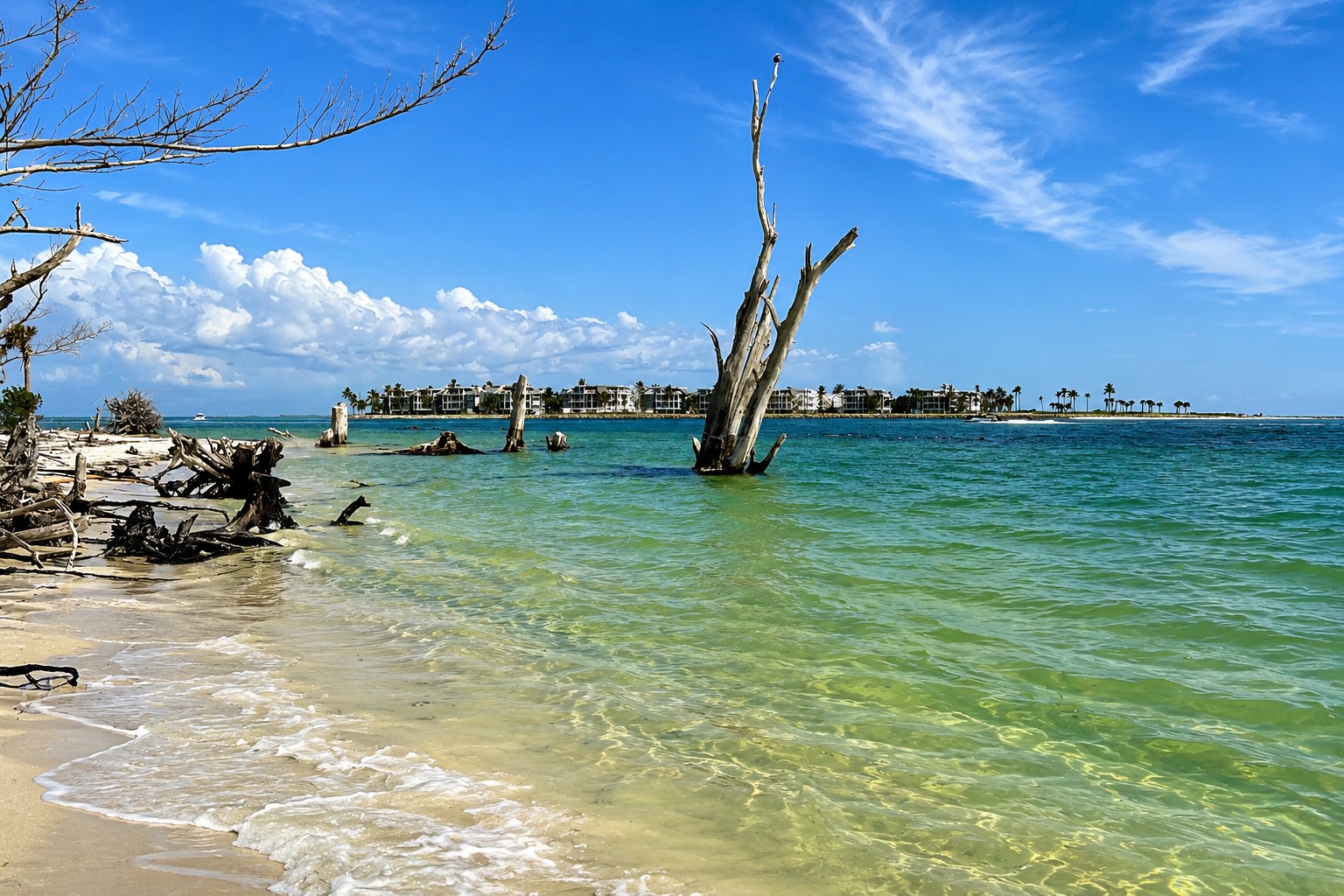
Weathered driftwood lines the shoreline at Redfish Pass on the southern tip of North Captiva Island.
Unlike many inlets that have been stabilized with jetties, Redfish Pass remains a naturally evolving waterway. Tides, currents, storms, and longshore sand transport continually reshape its beaches, shoals, and navigation channels, making it one of the most dynamic coastal features in Southwest Florida.
The surrounding landscape is dominated by protected beaches, mangrove shorelines, seagrass beds, and shallow estuarine waters that provide important habitat for dolphins, manatees, sea turtles, shorebirds, and countless fish species. The combination of open Gulf waters and the sheltered environment of Pine Island Sound makes Redfish Pass a favorite destination for boaters, paddlers, photographers, shell collectors, anglers, and anyone who enjoys exploring Florida's natural coastline.
Today, Redfish Pass serves as both a vital ecological connection and a scenic gateway to some of Southwest Florida's most iconic coastal destinations, including Captiva Island, North Captiva Island, Cayo Costa State Park, and Pine Island Sound.
3. Captain Pavel's Route
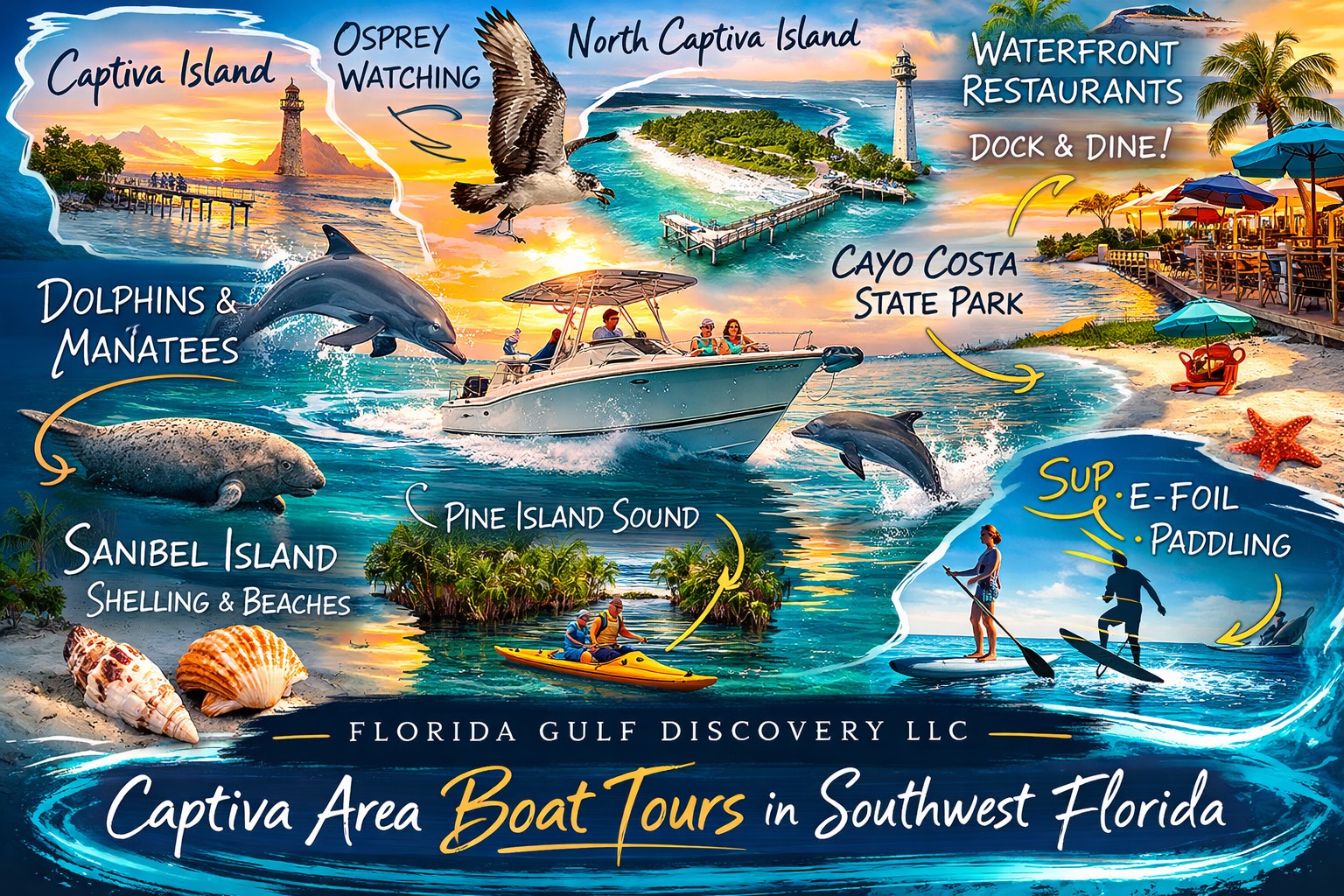
Explore the Captiva area aboard a private boat with Captain Pavel.
One of my favorite ways to experience Redfish Pass is by boat. Departing from Placida, the journey begins through the protected waters of Gasparilla Sound, continues across Charlotte Harbor, and enters Pine Island Sound. Along the way, the scenery gradually changes from quiet mangrove shorelines and open bays to some of Southwest Florida's most spectacular barrier islands.
As the route continues south through Pine Island Sound, the shoreline of Cayo Costa State Park comes into view, followed by the tropical beaches of North Captiva Island. Soon afterward, Redfish Pass appears ahead, where the protected waters of Pine Island Sound meet the Gulf of Mexico (Gulf of America) between North Captiva and Captiva Island.
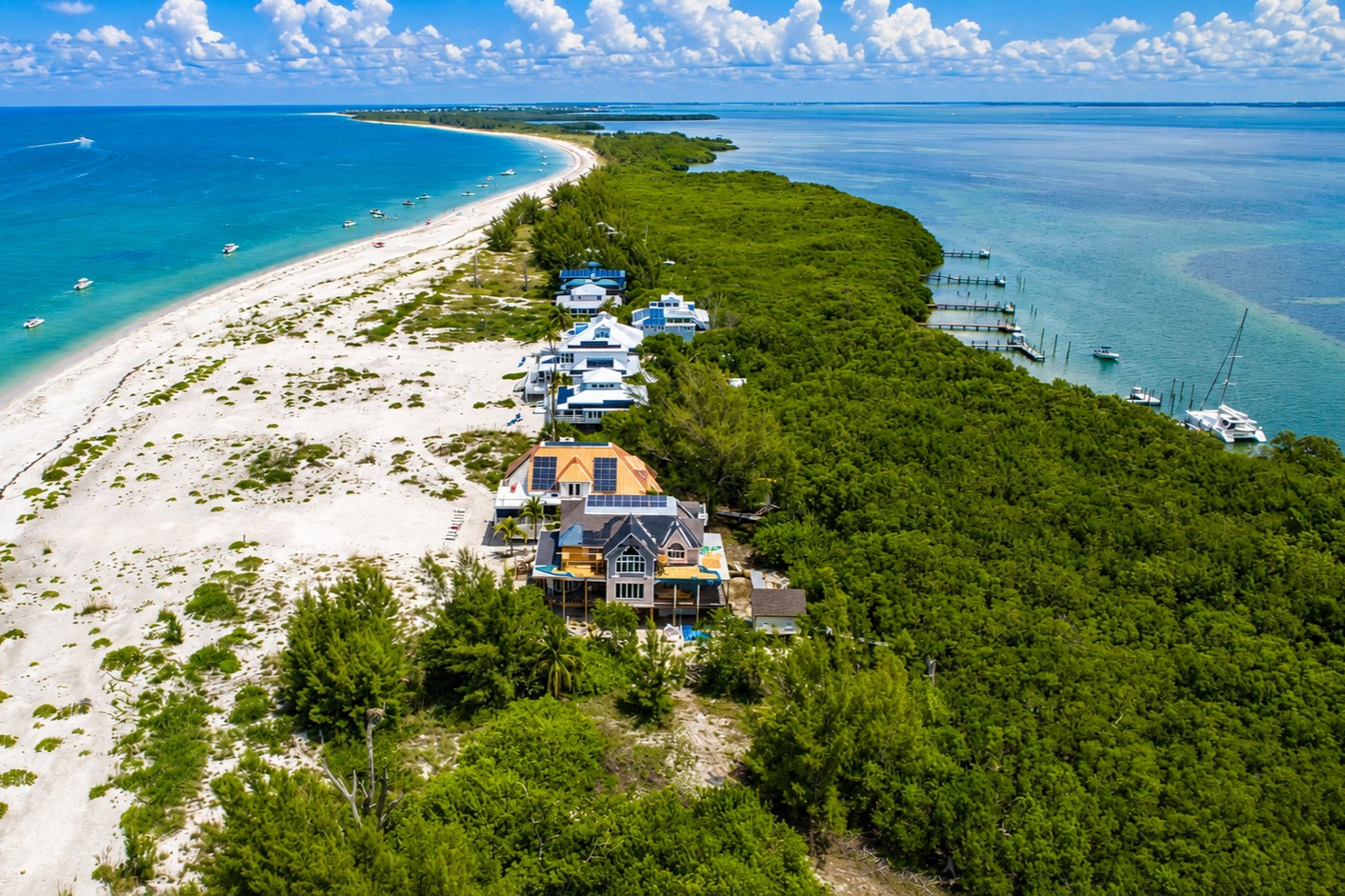
Beachfront homes line the pristine Gulf shoreline of North Captiva Island.
Redfish Pass is one of the most scenic waterways along Florida's Gulf Coast. Its shifting sandbars, strong tidal currents, and beautiful beaches create an ever-changing landscape that looks different throughout the year. Dolphins are frequently seen traveling through the pass, while pelicans, ospreys, terns, and other coastal birds are common along the shoreline. During the warmer months, manatees may also be spotted in the surrounding waters.
Depending on the weather, tides, and sea conditions, I often continue toward the beaches of Captiva Island, explore nearby shelling areas, or cruise along the shoreline of North Captiva Island before returning through Pine Island Sound. No two trips are ever the same. Wildlife, tides, weather, and seasonal conditions combine to create a unique experience every time we leave the dock.
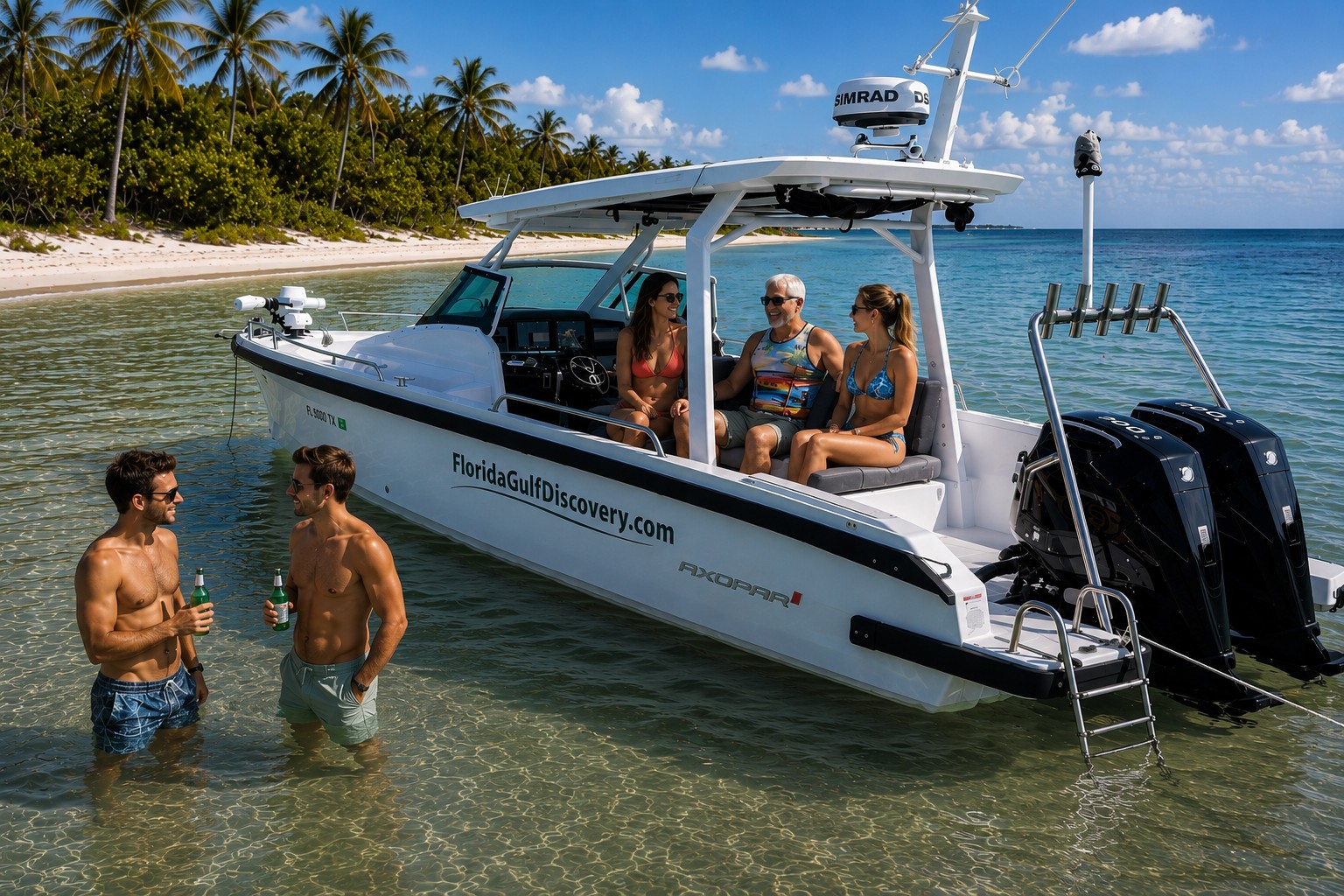
Captain Pavel welcomes guests to one of Southwest Florida's secluded tropical beaches, accessible only by boat. Click the image to explore the region's remarkable Barrier Islands, including Cayo Costa, North Captiva, Little Gasparilla, Sanibel, Captiva, and other pristine coastal destinations that make Florida's Gulf Coast a paradise for boating, shelling, wildlife, and beach adventures.
This six-hour private boat tour is designed to let you enjoy the journey rather than simply travel from one destination to another. Along the way, we stop at some of Southwest Florida's most interesting locations to explore secluded beaches, observe wildlife, search for shells, take photographs, or simply relax and enjoy the scenery.
For me, Redfish Pass is far more than a navigation route—it's one of Southwest Florida's most beautiful gateways, where barrier islands, abundant wildlife, and constantly changing coastal landscapes come together to create an unforgettable day on the water.
4. History
Redfish Pass is a relatively young feature in geological terms. Unlike many of Florida's natural inlets that have existed for centuries, this pass was created during the powerful 1921 Tampa Bay Hurricane, one of the most destructive storms ever to strike Southwest Florida. Before that event, Captiva Island and what is now North Captiva Island formed a single continuous barrier island stretching uninterrupted along Florida's Gulf Coast.
Before 1921
For thousands of years, waves, tides, and longshore currents shaped a continuous barrier island that protected the calm waters of Pine Island Sound from the open Gulf of Mexico (Gulf of America). Native American peoples, including the Calusa, traveled these protected waters long before European explorers arrived, using the islands and estuaries for fishing, transportation, and trade.
During the late nineteenth and early twentieth centuries, the barrier island remained sparsely populated. Small fishing communities, isolated homes, and seasonal visitors enjoyed its beaches, while boats traveled through nearby natural passes such as Blind Pass and Boca Grande Pass.
The Hurricane That Changed Everything
On October 25, 1921, the Tampa Bay Hurricane crossed Southwest Florida with powerful winds, storm surge, and heavy surf. As enormous waves battered the barrier island, rising Gulf waters broke through one of its narrowest sections. Within hours, a completely new tidal inlet had formed between the northern and southern portions of the island.
The storm permanently divided the island into Captiva Island and North Captiva Island, creating what is now known as Redfish Pass. At the same time, the hurricane reshaped nearby beaches, sandbars, and navigation channels throughout the region.
A Dynamic Waterway
Unlike many inlets that have been stabilized with large jetties, Redfish Pass has remained a naturally evolving tidal pass. Strong tidal currents continually transport sand between the Gulf of Mexico (Gulf of America) and Pine Island Sound, causing beaches, shoals, and navigation channels to shift over time.
This constant movement is one of the reasons shelling is so productive around the pass. Tides and waves regularly deposit shells along nearby beaches, while storms periodically reshape the shoreline and create new shelling opportunities.
Hurricanes Continue to Shape the Pass
Although Redfish Pass was born during the 1921 hurricane, it has continued to evolve through numerous tropical storms and hurricanes over the past century. Major storms such as Hurricane Charley (2004) and Hurricane Ian (2022) significantly altered surrounding beaches, dunes, and navigation channels. More recently, Hurricanes Helene and Milton (2024) again reshaped sections of the coastline, demonstrating that Southwest Florida's barrier islands remain among the most dynamic natural landscapes in the United States.
Redfish Pass Today
Today, Redfish Pass serves as one of Southwest Florida's most important natural waterways. It provides a vital connection between the Gulf of Mexico (Gulf of America) and Pine Island Sound while supporting boating, fishing, shelling, wildlife habitat, and tourism. More than a century after its creation, the pass continues to change with every tide, season, and storm, making it a living example of the powerful natural forces that shape Florida's Gulf Coast.
5. Captiva Island
Captiva Island forms the southern side of Redfish Pass and is one of Southwest Florida's most recognizable barrier islands. Known for its white-sand beaches, tropical atmosphere, colorful village, and outstanding shelling, the island attracts visitors from around the world while still retaining much of its Old Florida charm.
For centuries, Captiva remained an isolated barrier island accessible only by boat. Permanent settlement was limited to fishermen, pioneers, and a handful of seasonal residents. Today, a bridge connects Captiva to neighboring Sanibel Island, making it easily accessible while preserving its relaxed island character.
A Barrier Island Shaped by Nature
Captiva Island is constantly reshaped by waves, tides, currents, and hurricanes. Redfish Pass plays an important role in this natural process by allowing tidal water to flow between the Gulf of Mexico (Gulf of America) and Pine Island Sound. The movement of sand through the pass continually influences nearby beaches, creating new sandbars while eroding others.
Because much of the shoreline remains protected from large-scale development, visitors can still experience natural beaches, coastal dunes, sea oats, and native vegetation that provide habitat for a wide variety of wildlife.
Beaches and Coastal Scenery
Captiva's Gulf beaches are famous for their soft white sand, spectacular sunsets, and excellent shelling. The beaches near Redfish Pass often receive shells carried by Gulf currents and tidal flows, making this area especially productive after winter cold fronts and coastal storms.
The shoreline also provides outstanding opportunities for beach walking, photography, birdwatching, and simply enjoying the peaceful scenery of Florida's Gulf Coast.
Captiva Village
Near the center of the island, Captiva Village offers restaurants, boutique shops, art galleries, marinas, and accommodations surrounded by tropical landscaping. Unlike many larger beach communities, the village maintains a quiet, laid-back atmosphere with low-rise buildings and narrow roads shaded by palms and native trees.
Many visitors combine time in the village with a day on the water exploring Redfish Pass, Pine Island Sound, and the nearby barrier islands.
Wildlife
The waters surrounding Captiva Island support a remarkable variety of marine life. Dolphins are frequently seen feeding near Redfish Pass, while manatees visit the calmer waters during the warmer months. Ospreys, pelicans, herons, egrets, and terns are common along the shoreline, and sea turtles nest on Captiva's beaches from May through October.
Visiting by Boat
Approaching Captiva Island by boat offers a perspective that most visitors never experience. Cruising through Redfish Pass reveals the island's natural beaches, changing sandbars, and abundant wildlife without the crowds often found on land.
It also provides easy access to nearby destinations, including North Captiva Island, Cayo Costa State Park, and Pine Island Sound, making Captiva Island an ideal stop during a full-day exploration of Southwest Florida's barrier islands.
7. Beaches
The beaches surrounding Redfish Pass are among the most beautiful and natural along Florida's Gulf Coast. Located on both Captiva Island and North Captiva Island, these beaches are known for their soft white sand, Gulf views, abundant wildlife, and excellent shelling. Unlike many developed beach destinations, the shoreline around Redfish Pass remains largely shaped by natural coastal processes.
Captiva Island Beaches
The beaches on the southern side of Redfish Pass offer wide stretches of white sand, gentle Gulf waves, and spectacular sunset views. Depending on recent tides and weather conditions, visitors may find colorful shells, sea stars, sand dollars, and other treasures washed ashore.
The combination of beautiful scenery and easy access makes Captiva's beaches popular for swimming, beach walking, photography, birdwatching, and simply relaxing by the water.
North Captiva Island Beaches
North Captiva's beaches are quieter and less developed, providing a more secluded coastal experience. Since the island is accessible only by boat, ferry, or small aircraft, visitors often enjoy long stretches of shoreline without large crowds.
These beaches are ideal for exploring, wildlife observation, shell collecting, and experiencing one of Southwest Florida's last truly remote barrier islands.
A Coastline That Never Stays the Same
The beaches surrounding Redfish Pass are shaped year-round by tides, waves, longshore currents, and tropical storms. These natural forces continually reshape the coastline, forming new sandbars, altering dunes, and changing the shoreline after major storms.
This constant movement is one of the reasons no two visits to Redfish Pass are ever exactly alike.
Popular Beach Activities
The beaches around Redfish Pass are popular for:
- Beach walking
- Swimming
- Shell collecting
- Wildlife watching
- Birdwatching
- Photography
- Picnicking
- Sunset viewing
For visitors arriving by boat, these beaches provide excellent places to anchor nearby, explore the shoreline, and enjoy the natural beauty of Southwest Florida's barrier islands.
7. Beaches
The beaches surrounding Redfish Pass are among the most beautiful and natural along Florida's Gulf Coast. Located on both Captiva Island and North Captiva Island, these beaches are known for their soft white sand, Gulf views, abundant wildlife, and excellent shelling. Unlike many developed beach destinations, the shoreline around Redfish Pass remains largely shaped by natural coastal processes.
Captiva Island Beaches
The beaches on the southern side of Redfish Pass offer wide stretches of white sand, gentle Gulf waves, and spectacular sunset views. Depending on recent tides and weather conditions, visitors may find colorful shells, sea stars, sand dollars, and other treasures washed ashore.
The combination of beautiful scenery and easy access makes Captiva's beaches popular for swimming, beach walking, photography, birdwatching, and simply relaxing by the water.
North Captiva Island Beaches
North Captiva's beaches are quieter and less developed, providing a more secluded coastal experience. Since the island is accessible only by boat, ferry, or small aircraft, visitors often enjoy long stretches of shoreline without large crowds.
These beaches are ideal for exploring, wildlife observation, shell collecting, and experiencing one of Southwest Florida's last truly remote barrier islands.
A Coastline That Never Stays the Same
The beaches surrounding Redfish Pass are shaped year-round by tides, waves, longshore currents, and tropical storms. These natural forces continually reshape the coastline, forming new sandbars, altering dunes, and changing the shoreline after major storms.
This constant movement is one of the reasons no two visits to Redfish Pass are ever exactly alike.
Popular Beach Activities
The beaches around Redfish Pass are popular for:
- Beach walking
- Swimming
- Shell collecting
- Wildlife watching
- Birdwatching
- Photography
- Picnicking
- Sunset viewing
For visitors arriving by boat, these beaches provide excellent places to anchor nearby, explore the shoreline, and enjoy the natural beauty of Southwest Florida's barrier islands.
8. Shelling
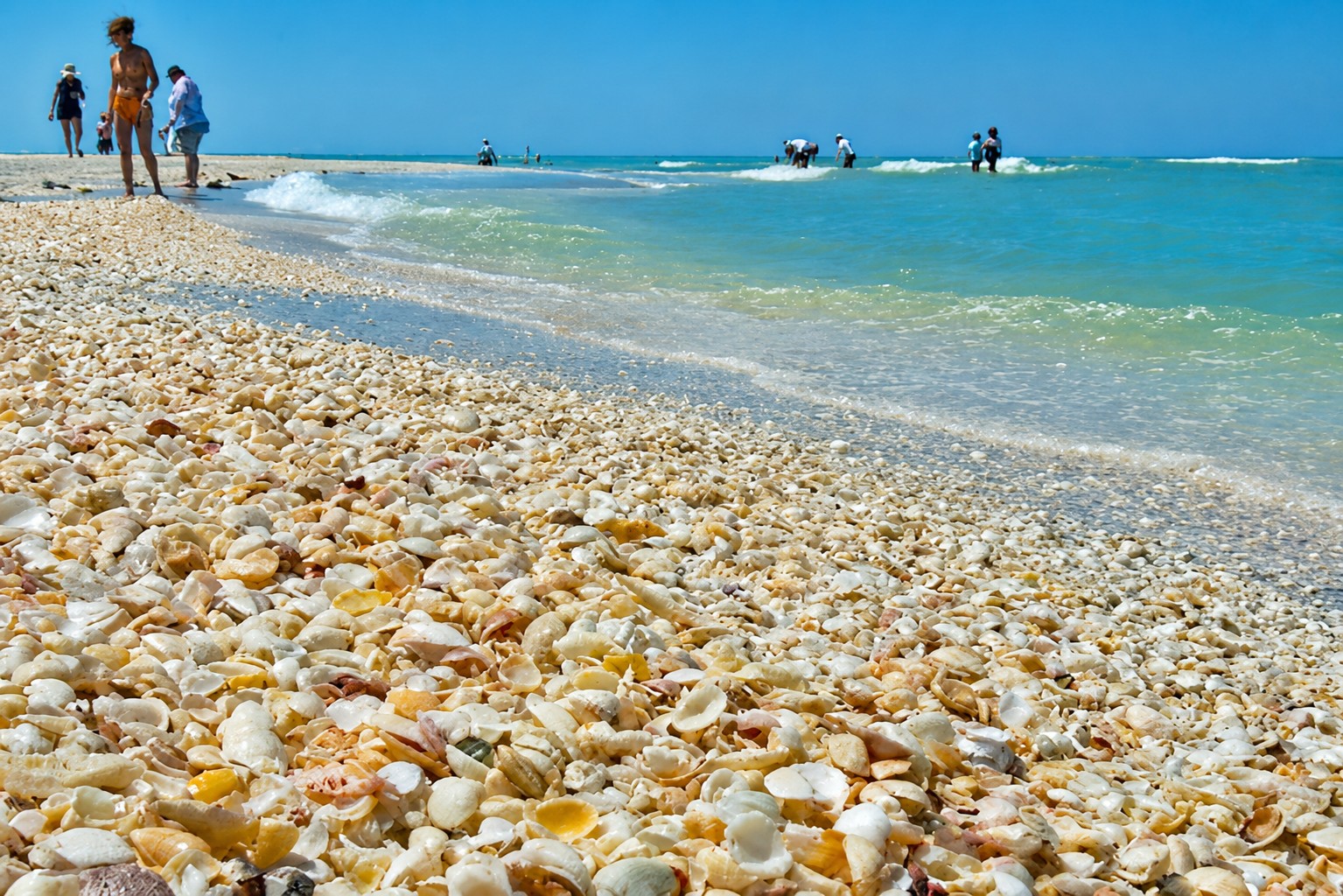
Captiva Island is renowned for some of the best shelling in SW Florida.
Strong tidal currents make Redfish Pass one of Southwest Florida's premier shelling destinations. Unlike many Gulf beaches, it benefits from the combined influence of Gulf surf and strong tidal exchange, continually transporting shells and other natural treasures to the shoreline. These conditions create exceptional shelling opportunities throughout the year.
Unlike beaches where shells arrive primarily from Gulf waves, the beaches surrounding Redfish Pass benefit from both Gulf surf and strong tidal exchange. This combination often produces impressive shell deposits, particularly after winter cold fronts, strong tides, and tropical storms.
Why Shelling Is So Good
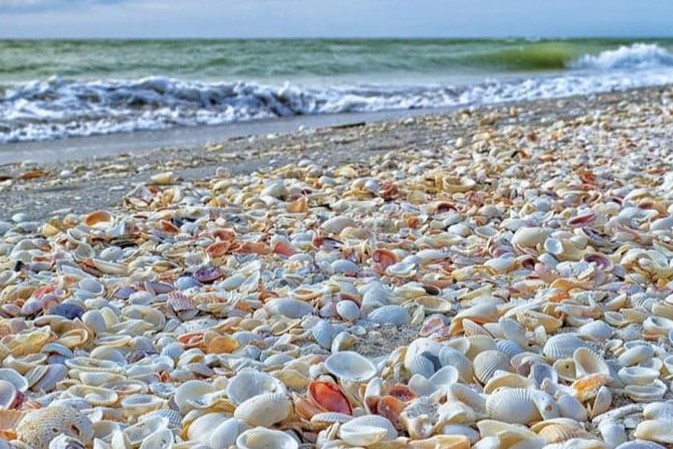
A shell-covered beach on Captiva Island.
Several natural factors make Redfish Pass one of Southwest Florida's best shelling destinations:
- Strong tidal currents carry shells through the pass.
- Gulf waves push shells onto nearby beaches.
- Longshore currents continually redistribute shell deposits.
- Storms and cold fronts uncover fresh shells buried beneath the sand.
- Nearby seagrass beds and marine habitats support a rich variety of mollusks.
Because tides and storms continually reshape the shoreline, every shelling trip offers something new to discover.
Common Shells
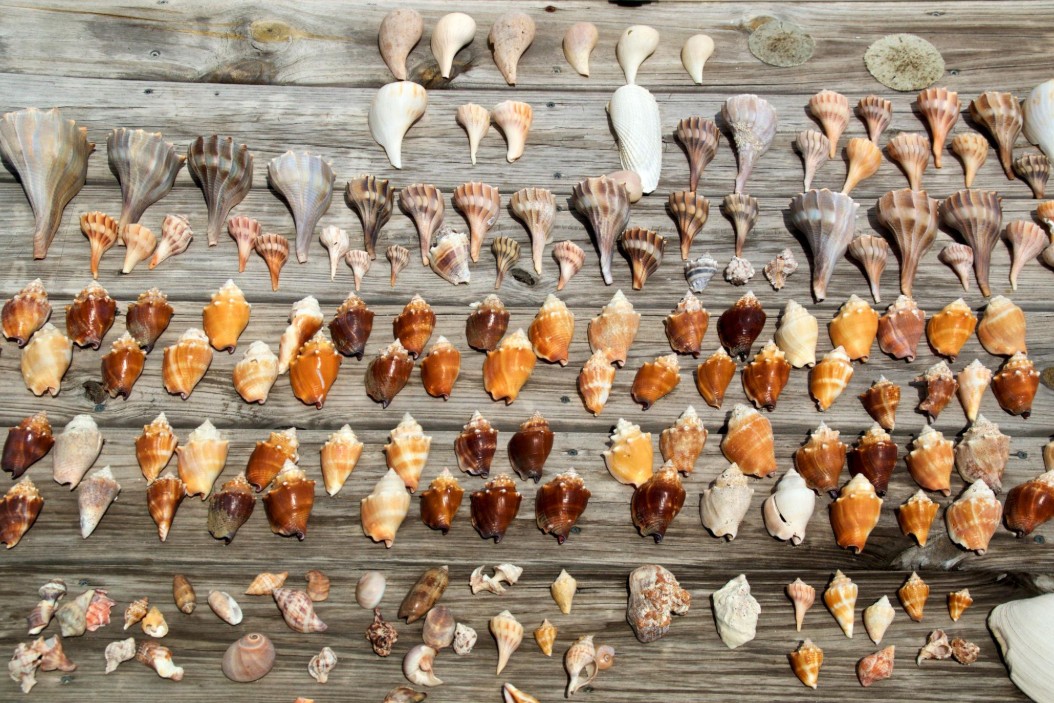
Discover Southwest Florida's hidden shell-covered beaches on a Private Shelling Tour with Captain Pavel.
Visitors frequently discover a wide variety of shells, including:
- Lightning Whelk
- Fighting Conch
- Florida Fighting Conch
- Alphabet Cone
- Tulip Shell
- Olive Shell
- Scallop Shells
- Cockle Shells
- Coquina Shells
- Augers
- Moon Snails
- Jingle Shells
Lucky shellers may occasionally discover rarer species after periods of rough weather.
Best Time for Shelling
Although shelling is possible year-round, the best conditions are often found:
- After winter cold fronts
- Following periods of strong onshore winds
- After tropical storms or hurricanes, when beaches have been naturally reshaped
- During low tide, when more of the beach is exposed
- Early in the morning, before other visitors arrive
The exact conditions vary from day to day, making every shelling trip unique.
Shelling Responsibly
When collecting shells, it's important to help protect the coastal environment:
- Leave live shells and living marine animals where they are found.
- Watch for nesting shorebirds and sea turtles, especially during nesting season.
- Respect protected areas and private property.
- Take only empty shells and leave the beach as natural as possible for future visitors.
For me, shelling at Redfish Pass is about more than finding beautiful shells. It's an opportunity to slow down, explore the shoreline, and appreciate the natural forces that continue to shape Southwest Florida's barrier islands. Every tide brings something new, and every visit tells a different story.
9. Wildlife
Redfish Pass is one of the richest wildlife habitats along Florida's Gulf Coast. The constant exchange of water between the Gulf of Mexico (Gulf of America) and Pine Island Sound creates an environment that supports dolphins, manatees, sea turtles, shorebirds, game fish, and countless smaller marine species. Healthy seagrass beds, tidal flats, mangrove forests, and sandy beaches provide food and shelter for wildlife throughout the year.
Whether exploring by boat or walking the shoreline, visitors often encounter wildlife within minutes of arriving.
Dolphins
Bottlenose dolphins are among the most frequently seen animals in Redfish Pass. They often travel through the pass in small family groups, taking advantage of strong tidal currents that concentrate baitfish. It is common to see dolphins feeding, socializing, or swimming alongside boats.
Early morning and late afternoon are often the best times to observe dolphin activity.
Manatees
West Indian manatees regularly visit the calmer waters surrounding Redfish Pass, especially during the warmer months. They are most often found in nearby channels, protected coves, and the sheltered waters of Pine Island Sound, where they feed on seagrass.
Boaters should always operate at slow speed when manatees are present and carefully observe posted manatee protection zones.
Sea Turtles
Several species of sea turtles inhabit the surrounding waters, including loggerhead, green, hawksbill, and Kemp's ridley turtles. From May through October, female loggerhead turtles come ashore to nest on nearby Gulf beaches, while hatchlings emerge later in the season and make their way to the ocean.
Visitors should avoid disturbing nests and help protect nesting habitat by keeping beaches free of litter and minimizing artificial lighting during nesting season.
Birds
The beaches, mangroves, and tidal flats around Redfish Pass attract an impressive variety of birds throughout the year. Common species include:
- Brown Pelican
- Osprey
- Great Blue Heron
- Great Egret
- Snowy Egret
- Tricolored Heron
- Roseate Spoonbill
- White Ibis
- Royal Tern
- Sandwich Tern
- Black Skimmer
- Double-crested Cormorant
- Bald Eagle (occasionally)
Many birds can be seen feeding along the shoreline or diving into the water for fish, making Redfish Pass an excellent destination for birdwatching and wildlife photography.
Marine Life
Beneath the surface, Redfish Pass supports a diverse marine ecosystem. Snook, redfish, spotted seatrout, tarpon, mangrove snapper, sheepshead, jack crevalle, and many other fish species use the pass and nearby seagrass beds for feeding, spawning, and seasonal migration.
Blue crabs, shrimp, horseshoe crabs, sea stars, and numerous mollusks also thrive in these productive coastal waters.
A Protected Ecosystem
The wildlife of Redfish Pass depends on the health of its surrounding beaches, mangrove forests, tidal creeks, and seagrass meadows. These habitats are essential not only for resident species but also for migratory birds and juvenile fish that spend part of their lives in the sheltered waters of Pine Island Sound.
For me, wildlife is one of the highlights of every trip through Redfish Pass. No two days are the same—one tour may feature dolphins feeding in the current, while another offers close encounters with manatees, nesting shorebirds, or a spectacular flock of pelicans gliding just above the waves. That unpredictability is part of what makes every visit to Redfish Pass a unique experience.
10. Hurricanes & Coastal Changes
Redfish Pass exists because of hurricanes. More than a century after its formation, the pass continues to evolve under the influence of tropical storms, tidal currents, waves, and longshore sand transport. Few places along Florida's Gulf Coast demonstrate the power of coastal change as clearly as Redfish Pass.
The 1921 Hurricane
Before 1921, Captiva Island and North Captiva Island were part of one continuous barrier island. On October 25, 1921, the powerful Tampa Bay Hurricane struck Southwest Florida with destructive winds and a massive storm surge. During the storm, Gulf waters broke through one of the island's narrowest sections, permanently creating Redfish Pass.
The new inlet separated Captiva Island from North Captiva Island and established a direct tidal connection between the Gulf of Mexico (Gulf of America) and Pine Island Sound. That single event dramatically changed the geography of the region and continues to influence local tides, currents, wildlife habitats, and navigation today.
A Coast That Never Stops Changing
Few natural inlets along Florida's Gulf Coast remain as dynamic as Redfish Pass. Every day, tides move enormous amounts of sand through the pass. Gulf waves reshape beaches, while longshore currents transport sediment along the coastline.
As a result:
- Beaches gradually widen or narrow.
- Sandbars appear and disappear.
- Navigation channels shift over time.
- Shell deposits constantly change.
- Shorelines are continually reshaped.
No two years look exactly the same.
Hurricane Charley (2004)
Hurricane Charley brought powerful winds and storm surge to Southwest Florida, accelerating erosion along nearby barrier islands and altering sections of the shoreline. Although Redfish Pass remained open, beaches and sandbars around the pass changed significantly as the storm redistributed large volumes of sand.
Hurricane Ian (2022)
Hurricane Ian produced one of the most dramatic coastal changes in recent history. Extreme storm surge and powerful waves reshaped beaches throughout Captiva Island, North Captiva Island, and neighboring barrier islands. Large sections of shoreline eroded, new sandbars formed, and navigation channels shifted, requiring continued monitoring by boaters.
Hurricanes Helene & Milton (2024)
The active 2024 hurricane season continued to reshape Southwest Florida's coastline. Hurricanes Helene and Milton further modified beaches, dunes, and offshore sandbars around Redfish Pass. While these storms caused noticeable changes to the shoreline, they also demonstrated the remarkable ability of barrier islands to naturally recover and adapt over time.
Nature Is Always at Work
Although hurricanes produce the most dramatic changes, Redfish Pass is shaped every day by tides, currents, seasonal weather, and Gulf waves. Together, these natural forces continually reshape beaches, sandbars, and the underwater landscape.
For returning visitors, this means every trip can reveal something new—a different sandbar, a wider beach, fresh shell deposits, or a slightly altered shoreline. These ongoing changes are part of what makes Redfish Pass one of Southwest Florida's most fascinating natural environments.
More than 100 years after its creation, Redfish Pass remains a living example of how powerful natural forces continue to shape Florida's barrier islands. Its story is still being written with every tide, every storm, and every passing season.
10. Hurricanes & Coastal Changes
Redfish Pass exists because of hurricanes. More than a century after its formation, the pass continues to evolve under the influence of tropical storms, tidal currents, waves, and longshore sand transport. Few places along Florida's Gulf Coast demonstrate the power of coastal change as clearly as Redfish Pass.
The 1921 Hurricane
Before 1921, Captiva Island and North Captiva Island were part of one continuous barrier island. On October 25, 1921, the powerful Tampa Bay Hurricane struck Southwest Florida with destructive winds and a massive storm surge. During the storm, Gulf waters broke through one of the island's narrowest sections, permanently creating Redfish Pass.
The new inlet separated Captiva Island from North Captiva Island and established a direct tidal connection between the Gulf of Mexico (Gulf of America) and Pine Island Sound. That single event dramatically changed the geography of the region and continues to influence local tides, currents, wildlife habitats, and navigation today.
A Coast That Never Stops Changing
Few natural inlets along Florida's Gulf Coast remain as dynamic as Redfish Pass. Every day, tides move enormous amounts of sand through the pass. Gulf waves reshape beaches, while longshore currents transport sediment along the coastline.
As a result:
- Beaches gradually widen or narrow.
- Sandbars appear and disappear.
- Navigation channels shift over time.
- Shell deposits constantly change.
- Shorelines are continually reshaped.
No two years look exactly the same.
Hurricane Charley (2004)
Hurricane Charley brought powerful winds and storm surge to Southwest Florida, accelerating erosion along nearby barrier islands and altering sections of the shoreline. Although Redfish Pass remained open, beaches and sandbars around the pass changed significantly as the storm redistributed large volumes of sand.
Hurricane Ian (2022)
Hurricane Ian produced one of the most dramatic coastal changes in recent history. Extreme storm surge and powerful waves reshaped beaches throughout Captiva Island, North Captiva Island, and neighboring barrier islands. Large sections of shoreline eroded, new sandbars formed, and navigation channels shifted, requiring continued monitoring by boaters.
Hurricanes Helene & Milton (2024)
The active 2024 hurricane season continued to reshape Southwest Florida's coastline. Hurricanes Helene and Milton further modified beaches, dunes, and offshore sandbars around Redfish Pass. While these storms caused noticeable changes to the shoreline, they also demonstrated the remarkable ability of barrier islands to naturally recover and adapt over time.
Nature Is Always at Work
Although hurricanes produce the most dramatic changes, Redfish Pass is shaped every day by tides, currents, seasonal weather, and Gulf waves. Together, these natural forces continually reshape beaches, sandbars, and the underwater landscape.
For returning visitors, this means every trip can reveal something new—a different sandbar, a wider beach, fresh shell deposits, or a slightly altered shoreline. These ongoing changes are part of what makes Redfish Pass one of Southwest Florida's most fascinating natural environments.
More than 100 years after its creation, Redfish Pass remains a living example of how powerful natural forces continue to shape Florida's barrier islands. Its story is still being written with every tide, every storm, and every passing season.
11. Things to Do
Redfish Pass offers a wide variety of outdoor activities, making it one of Southwest Florida's premier destinations for nature lovers, boaters, photographers, and families. Whether arriving by boat or visiting nearby beaches, there is always something to discover.
Boating
Boating is the best way to experience Redfish Pass. Cruising through the pass provides spectacular views of Captiva Island, North Captiva Island, and Pine Island Sound while allowing visitors to explore secluded beaches, hidden coves, and nearby barrier islands. The constantly changing scenery makes every trip unique.
Dolphin Watching
Redfish Pass is one of my favorite locations for observing bottlenose dolphins. Dolphins frequently patrol the pass in search of fish, often swimming close to boats or working together to herd schools of baitfish. Every tour offers the possibility of memorable wildlife encounters.
Shelling
The beaches surrounding Redfish Pass are among the best shelling locations in Southwest Florida. Strong tidal currents regularly deliver new shells to the shoreline, especially after winter cold fronts and tropical storms. Exploring the beaches is a favorite activity for visitors of all ages.
Beach Walking
The wide Gulf beaches on both Captiva Island and North Captiva Island are perfect for peaceful walks. Visitors can enjoy soft white sand, collect shells, watch shorebirds, or simply relax while listening to the sound of the waves.
Wildlife Watching
Redfish Pass is an excellent destination for observing Florida's coastal wildlife. In addition to dolphins and manatees, visitors may see pelicans, ospreys, herons, egrets, roseate spoonbills, sea turtles, rays, and many other species throughout the year.
Photography
The combination of turquoise water, white-sand beaches, wildlife, and tropical landscapes makes Redfish Pass a favorite destination for photographers. Sunrise, sunset, changing weather, and seasonal wildlife all create outstanding opportunities for memorable photographs.
Fishing
The tidal currents flowing through Redfish Pass attract a wide variety of fish species, making the area popular with recreational anglers. Depending on the season, common catches include snook, redfish, spotted seatrout, tarpon, mangrove snapper, and sheepshead.
Explore Nearby Destinations
Redfish Pass also serves as a gateway to many of Southwest Florida's most popular destinations. By boat, visitors can easily continue to:
- Captiva Island
- North Captiva Island
- Cayo Costa State Park
- Pine Island Sound
- Blind Pass
- Sanibel Island
Experience Redfish Pass with Captain Pavel
One of the best ways to experience Redfish Pass is on a private boat tour. Rather than simply visiting one location, my six-hour route combines scenic cruising with stops at beautiful beaches, shelling areas, and wildlife hotspots throughout the region. Every tour is customized based on the weather, tides, and your interests, ensuring that no two adventures are ever exactly the same.
12. Best Time to Visit
Redfish Pass is a year-round destination, with each season offering a different experience. Weather, water temperature, wildlife activity, and shelling conditions change throughout the year, making every visit unique. Whether you're planning a private boat tour, a day at the beach, or a shelling adventure, there is always something to enjoy.
Seasonal Overview
| Season | Air Temp. | Water Temp. | Rain | Boating | Shelling | Wildlife |
|---|---|---|---|---|---|---|
| Winter (Dec–Feb) | 65–77°F | 66–72°F | Low | ⭐⭐⭐⭐⭐ | ⭐⭐⭐⭐⭐ | ⭐⭐⭐⭐⭐ |
| Spring (Mar–May) | 73–88°F | 72–82°F | Moderate | ⭐⭐⭐⭐⭐ | ⭐⭐⭐⭐☆ | ⭐⭐⭐⭐⭐ |
| Summer (Jun–Aug) | 82–92°F | 84–88°F | High | ⭐⭐⭐⭐☆ | ⭐⭐⭐☆☆ | ⭐⭐⭐⭐☆ |
| Fall (Sep–Nov) | 72–89°F | 78–86°F | Moderate | ⭐⭐⭐⭐☆ | ⭐⭐⭐⭐☆ | ⭐⭐⭐⭐☆ |
Best Time for Popular Activities
| Activity | Best Time |
|---|---|
| Boating | November–May |
| Shelling | December–March and after cold fronts |
| Dolphin Watching | Year-round |
| Manatee Viewing | Late spring through early fall |
| Birdwatching | Fall through spring |
| Swimming | May–October |
| Photography | Sunrise and sunset year-round |
| Beach Walks | November–April |
Captain Pavel's Recommendation
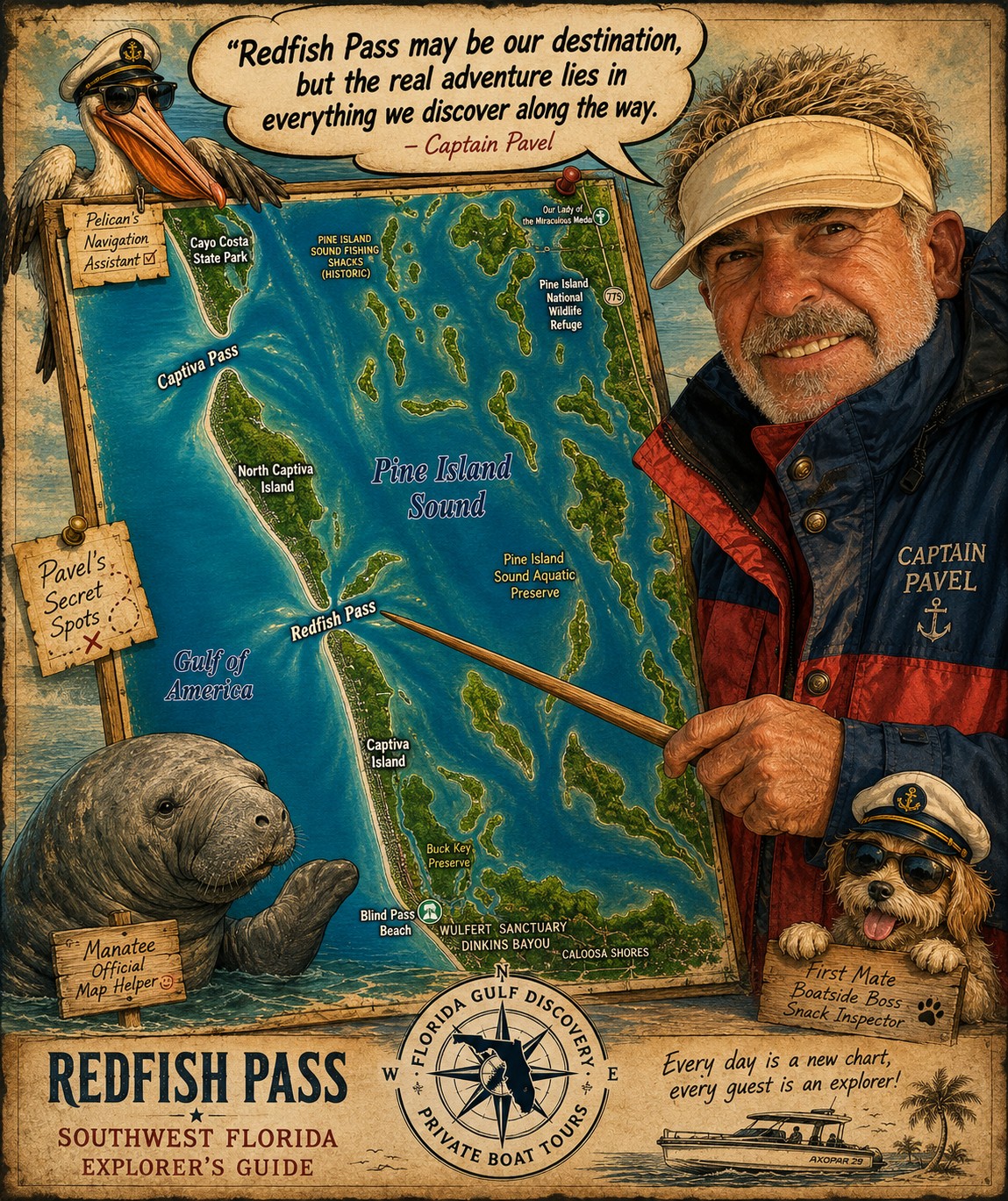
Inspired by classic national park travel art, this vintage-style Captain Pavel's Redfish Pass Explorer's Guide celebrates one of Southwest Florida's most fascinating coastal destinations. Redfish Pass, created by the powerful hurricane of 1921, separates Captiva Island from North Captiva Island and connects Pine Island Sound with the Gulf of Mexico. The illustration captures the spirit of exploration, boating, wildlife, and the ever-changing barrier island landscape that makes Redfish Pass a favorite destination for visitors and local captains alike. :contentReference[oaicite:0]{index=0}
Every season has its own appeal, but November through April offers the most comfortable weather for exploring Redfish Pass. Cooler temperatures, lower humidity, calmer seas, and excellent wildlife viewing make these months ideal for boating, shelling, photography, and beach walks.
Visitors looking for warm Gulf waters and fewer crowds may prefer late spring and early summer, when conditions are perfect for swimming, snorkeling, and exploring the surrounding barrier islands. Summer afternoons often bring brief thunderstorms, but mornings are typically calm and well suited for time on the water.
No matter when you visit, Redfish Pass never looks exactly the same twice. Shifting tides, seasonal weather, wildlife activity, and moving sandbars create a fresh experience every time you leave the dock. Whether you're searching for shells, watching dolphins, cruising through Pine Island Sound, or relaxing on a quiet beach, each visit reveals a new side of this remarkable natural waterway.
"Every trip to Redfish Pass is different. The tides change, the wildlife changes, and nature writes a new story every time we leave the dock."
— Captain Pavel