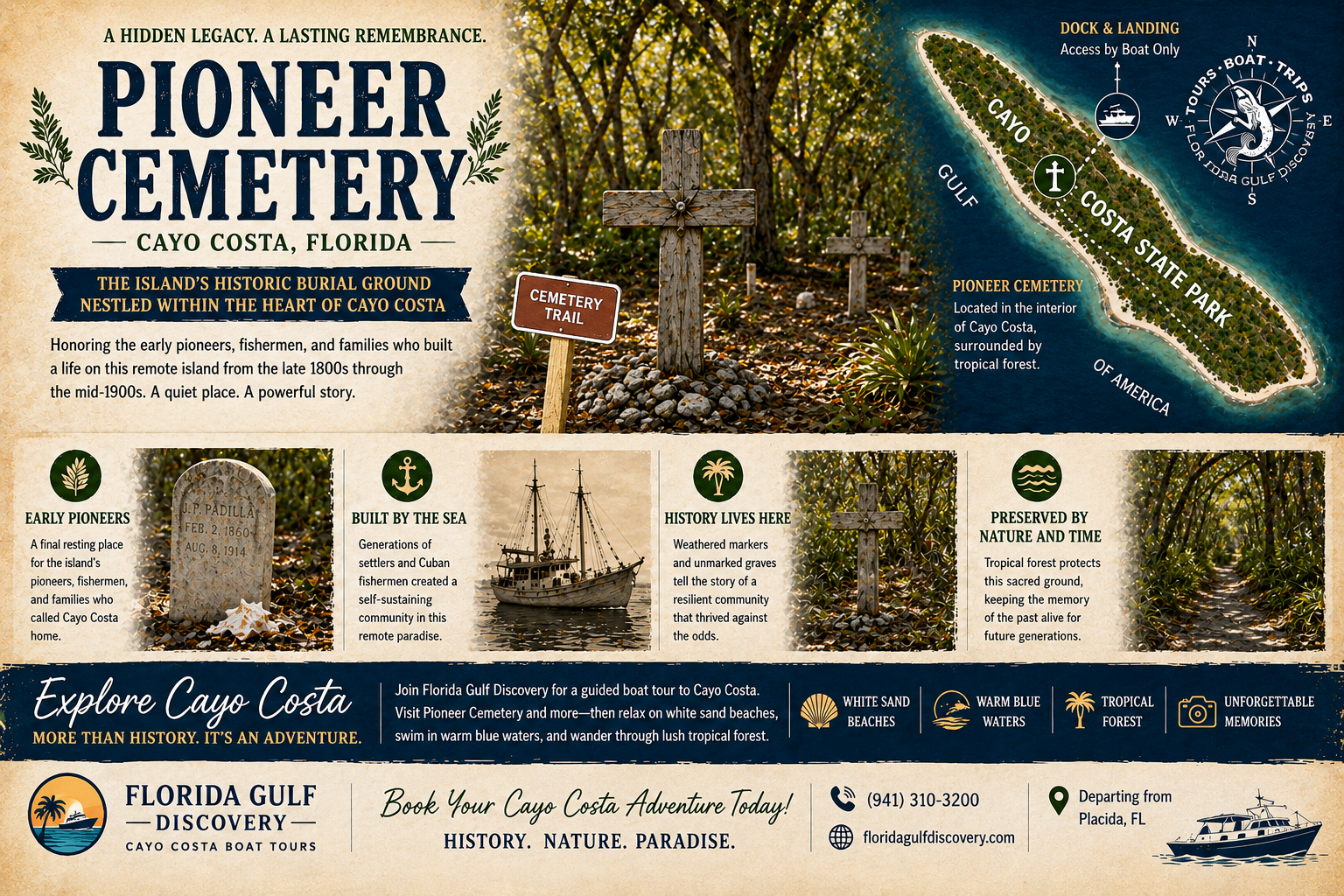
Pioneer Cemetery on Cayo Costa Island with historic graves, island map, and Florida Gulf Discovery boat tour information
Pioneer Cemetery on Cayo Costa and Old Florida island history
Explore Pioneer Cemetery on Cayo Costa and discover the forgotten history of the island's early residents and fishing families.

Most visitors know Cayo Costa for its beaches, shells, wildlife, and undeveloped Gulf shoreline. Travel beyond the beach, however, and another Cayo Costa begins to appear — one shaped by fishermen, pioneer families, remote settlements, hurricanes, and generations of people who once called this barrier island home.

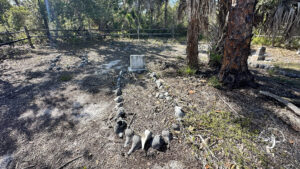
Pioneer Cemetery on Cayo Costa preserves part of that forgotten story. Historic grave markers connect the landscape we explore today with residents who lived and worked around Pine Island Sound and Charlotte Harbor long before most of the island became Cayo Costa State Park.

By the early 1900s, about 20 fishing families lived here. They had homes, docks, a school, post office, grocery store, and commercial fishing operations. Their lives were closely tied to the surrounding water.

Cayo Costa was once more than a place to visit. It was home — a remote coastal settlement where people raised children, worked on the water, endured hurricanes, traveled by boat, and buried their loved ones.

1 Pioneer Cemetery Hidden on Cayo Costa

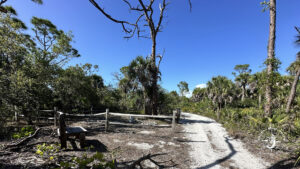
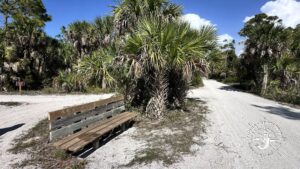
Pioneer Cemetery trail through Cayo Costa State Park in Florida
Pioneer Cemetery Trail leads through the interior of Cayo Costa State Park, revealing another side of the island's history.

Away from the Gulf beach and busy boating routes, Cayo Costa's interior holds traces of an earlier world. Among them are historic burial grounds connected with the people who once lived here.

The surviving markers can appear modest, especially compared with a modern cemetery. Yet they document something important: this barrier island once supported permanent residents whose lives unfolded far from mainland roads and towns.

Water was their primary connection to the outside world. Boats carried people, mail, food, supplies, and fish between Cayo Costa and communities around Charlotte Harbor and Pine Island Sound.

For people living in such an isolated setting, burial close to home was part of life. The graves that remain are among the few physical reminders of that vanished era.

2 When Cayo Costa Was a Fishing Village

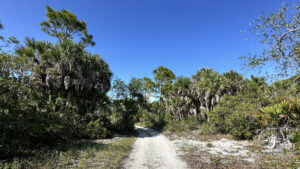
Cemetery Trail through Cayo Costa State Park in Florida
Cemetery Trail winds through the interior of Cayo Costa State Park, where the island's pioneer history remains part of the landscape.

It is easier to understand the cemetery when we picture Cayo Costa not as a park, but as a working fishing village.

By the early twentieth century, approximately 20 fishing families lived on the island. A school, post office, grocery store, docks, and homes supported daily life.

The surrounding estuary provided both food and employment. Commercial fishermen worked Pine Island Sound, Charlotte Harbor, nearby passes, and Gulf waters, while boats connected their catch with larger markets.

The maritime economy extended beyond Southwest Florida. Fishing operations in this region maintained longstanding connections with Key West and Cuba, creating a network that crossed the Gulf long before today's recreational boating routes existed.

Families associated with historic Cayo Costa include the Padillas, Colemans, Spearings, Woodrings, and Darnas. Together they formed a small coastal society built around boats, fishing, family, and local knowledge.

3 The Padilla Family & Captain Pappy

Captain Pappy Padilla and the Padilla family cemetery on Cayo Costa Florida
Captain Pappy Padilla is closely connected with Cayo Costa's early fishing history and the Padilla family cemetery on the island.

Few names are more closely connected with nineteenth-century Cayo Costa than Padilla.

Toribio “Tariva” Padilla, remembered as Captain Pappy, was born in the Canary Islands in 1832 and later came to Florida. He became a United States citizen in 1862 and emerged as an important figure in the regional fishing trade.

Historical research places a Padilla fishing rancho on the northeast side of Cayo Costa facing Pelican Bay. From this protected shoreline, fishermen had access to Pine Island Sound, nearby passes, and productive coastal waters.

Captain Pappy belonged to a maritime world in which Southwest Florida and Cuba were closely connected. Fish, boats, people, and supplies moved through a network of ranchos and coastal settlements that had existed in the region for generations.

The Padilla name endured on Cayo Costa, and the family's burial ground became another lasting connection between that fishing era and the island we know today.

4 The Two Historic Cemeteries of Cayo Costa

Location of the two historic cemeteries on Cayo Costa State Park
Location of the two historic cemeteries on Cayo Costa — Pioneer Cemetery and the Padilla family cemetery.

An important part of this story is often overlooked: Cayo Costa's burial history should not be treated as if every known grave belonged to one cemetery.

Historic references and surviving markers point to different burial areas, including the site commonly known as Pioneer Cemetery and another associated specifically with the Padilla family.

Florida State Parks records that Captain Pappy Padilla and his wife Juanita were buried in the Padilla family cemetery. Other surviving markers preserve names associated with later residents and the wider settlement.

Recognizing the distinction helps explain the geography of old Cayo Costa. This was a long barrier island with separate homes, fishing operations, paths, docks, and family areas rather than one compact village centered on a single site.

The cemeteries are therefore pieces of a larger cultural landscape — fragments of neighborhoods and family life that have mostly disappeared.

5 The 1910 Hurricane & Lost Fishermen

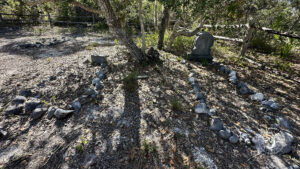
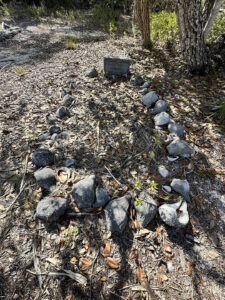
Historic graves at Pioneer Cemetery on Cayo Costa Florida
Historic grave markers at Pioneer Cemetery preserve the names and memories of people who once lived on Cayo Costa.

The waters that sustained coastal fishermen could become deadly when tropical weather moved across the Gulf.

One of the most dramatic events associated with Cayo Costa's burial history occurred during the 1910 hurricane. Florida State Parks reports that an estimated 30 Cuban fishermen who died during the storm may have been buried at the Padilla cemetery site.

The word may is important. The account is part of the site's recorded history, but it should not be presented as a fully documented list of identified burials.

Another part of the story has literally disappeared. Florida State Parks notes that much of the cemetery area has eroded into the bay.

That is not unusual for a barrier island. Hurricanes, storm surge, currents, waves, and gradual shoreline migration continually reshape places like Cayo Costa. Ground that once stood safely inland can eventually become part of the water.

The 1910 story therefore connects human loss with the constantly changing landscape surrounding the old settlement.

6 The Names Behind the Grave Markers

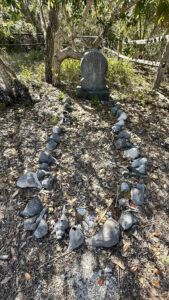
1919 Nelson grave marker at Pioneer Cemetery on Cayo Costa Florida
The 1919 Nelson grave marker at Pioneer Cemetery preserves the memory of one of Cayo Costa's early residents.

A grave marker does something that a general history cannot. It gives the past a name.

Names such as Nelson, Johnson, Coleman, and Padilla connect the landscape with individuals who lived here when travel, work, communication, and survival depended heavily on the surrounding water.

Captain Peter Nelson offers an especially interesting example. Historical research describes him as a teacher, postmaster, ship's pilot, and government employee. In a small settlement, one person could perform several roles essential to everyday life.

Others worked as fishermen, boatmen, merchants, parents, and caregivers. Children grew up here. Families experienced births, marriages, storms, hardship, and loss.

The markers that survive are more than dates carved into stone. They provide a physical connection with individual lives that might otherwise be reduced to a few lines in a historical record.

7 How Island Life Disappeared

Cemetery Trail through Cayo Costa State Park leading toward the historic cemetery area
Cemetery Trail passes through the interior of Cayo Costa State Park, where traces of the island's pioneer history remain.

The fishing settlement did not vanish in a single moment. Its decline happened gradually as transportation, commercial fishing, markets, and life along the Southwest Florida coast changed.

Living on a remote barrier island had always required independence. Families depended on boats for nearly everything, while storms and isolation added constant difficulty. As mainland communities grew and transportation improved, remaining on Cayo Costa became less practical for many residents.

Homes were abandoned or disappeared. Docks and working areas deteriorated. Vegetation reclaimed cleared ground, while hurricanes and erosion altered parts of the shoreline.

By 1958, the last pioneers and fishing-village residents had left. A place that had supported generations of daily life gradually became the quieter landscape visitors recognize today.

What remains is scattered rather than obvious: grave markers, historic names, old pathways, archaeological evidence, and stories preserved in written records.

That contrast is one of the most striking parts of Cayo Costa. A place that can appear almost untouched was once filled with homes, work, family activity, and regular movement across the surrounding water.

8 Why This History Still Matters

Tropical forest and native island vegetation in the interior of Cayo Costa Florida
Dense tropical vegetation now covers much of Cayo Costa's interior, where pioneer families once lived and worked.

The surviving graves give Cayo Costa's past a human scale. Names and dates connect places we explore today with people whose lives unfolded here generations ago.

Much of their physical world is gone, but the burial grounds remain as quiet evidence of a community that once depended on these waters for work, travel, food, and communication.

The markers are small, but the story behind them is not. They remind us that this quiet barrier island was once someone's home, workplace, schoolyard, fishing ground, neighborhood, and final resting place.

That is one of the reasons I enjoy exploring Southwest Florida from the water. A beach, pass, bay, or wooded shoreline can look completely natural until you discover what happened there. Once you know the story, you begin to see the same landscape differently.

Pioneer Cemetery on Cayo Costa is one of those places — a quiet connection between the island we visit today and the people who came before us.

Historical note: This article draws on historical information published by Florida State Parks and the Florida Museum of Natural History's Randell Research Center. Some details surrounding early island burials and the fishermen lost during the 1910 hurricane remain uncertain. Those events are described accordingly rather than presented as confirmed individual burials.
Book Now